A 2.8m-wide HDB living room leaves little room for error — a sofa that’s too deep eats into walkway space, while one that’s too shallow feels out of place. In many newer BTO flats, the narrow layout means a depth of around 85cm works best; anything over 90cm risks blocking the flow between the dining area and balcony. It’s a balancing act — you’ll want enough seating for guests, but not so much that the room feels cramped.
For 4x4m layouts, the challenge shifts to arranging furniture without creating bottlenecks. A three-seater sofa paired with a compact armchair often fits better than a bulky L-shaped design — especially if you’re working around a TV console and coffee table. Leave at least 60cm clearance between pieces; anything less makes the space feel cluttered, even if you technically have enough room to squeeze through.
Delivery constraints add another layer of complexity. Most BTO door frames measure around 80cm wide, which rules out oversized modular sofas unless they can be disassembled. Always measure your entry points before committing to a purchase — especially during sales events, where returns can be tricky. Some retailers, like FortyTwo and Castlery, offer modular options that break down into smaller components, making them easier to manoeuvre through tight spaces.
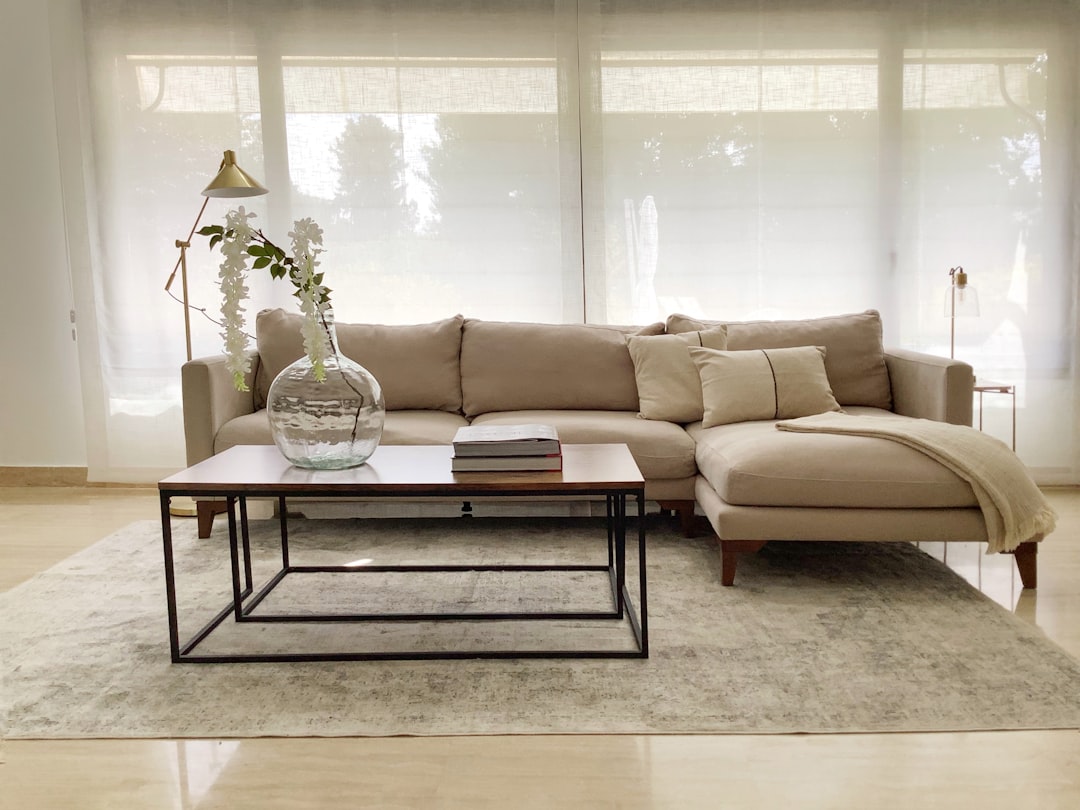
Timing your purchase around major sales can save you hundreds, but don’t let the discount dictate the size. A $1,200 sofa that fits perfectly beats a $800 one that overwhelms the room. And while deep-seated designs might look inviting in the showroom, they’re often a mismatch for compact HDB layouts — unless you’re willing to sacrifice walkway space for extra lounging comfort.
In Singapore’s humid climate, a leather sofa might look sleek for the first six months — then it starts peeling. Quick-dry fabrics like performance velvet or polyester blends are the smarter choice for non-airconditioned spaces, where moisture lingers and leather cracks. These materials don’t just resist humidity; they’re easier to clean, too, which is a bonus for homes with kids or pets.
Teak frames are another humidity-resistant hero. Unlike rubberwood, which can warp or swell in high moisture, teak holds up better in Singapore’s 85% humidity levels. It’s pricier upfront, but it’s worth the investment for long-term durability — especially if you’re furnishing a BTO flat and plan to keep the sofa for years.
For those on a budget, look out for sales around major festivals like Chinese New Year or Deepavali. Discounted living room furniture often includes humidity-friendly options, though you’ll need to check the materials carefully. Warehouse clearance events can also yield bargains, with discounts sometimes hitting 70% off retail.
One thing to avoid: cheap particleboard frames. They might look sturdy in the showroom, but in a humid HDB flat, they’re a ticking time bomb. Stick to solid wood or metal frames, even if it means waiting for the next sale to stretch your budget further.
Walk into most showrooms and you'll find three pristine sofas behind velvet ropes. At warehouse sales like Megafurniture's Joo Seng outlet, buyers test 80+ floor models with coffee stains and flattened cushions — the real wear patterns you'd see after six months in a Tampines HDB. Sectional sink tests matter here: Singapore's average 68kg frame disappears into plush American styles, while firmer German designs keep posture upright for mahjong nights. Pro tip: bring your heaviest family member to test seat sag; that 55kg sales assistant won't reveal how the cushions hold up during CNY visits.
Retailers strategically space identical sofas across different floors to prevent side-by-side evaluations. Warehouse layouts force brutal honesty — a $1,200 polyester blend sits beside its $2,400 full-grain leather counterpart, with both covered in the same warehouse dust. You'll spot the stitching flaws on display units that catalogues airbrush out, like uneven piping on curved chaises or loose threads behind scatter cushions. These aren't staged showroom pieces; they're the exact units that survived six months of kids jumping and uncles napping.
Local shoppers underestimate how HDB dwellers use furniture differently than landed property owners. That L-shaped sectional isn't just for sitting — it's a weekend bed for visiting in-laws, a trampoline for toddlers, and sometimes a drying rack for laundry. Warehouse models show real stress points: armrests worn down from constant phone charging cable friction, centre seats depressed from 90kg uncles camping during football matches. Notice how the taupe fabric samples look pristine, while floor models reveal grey undertones after three months of neighbourhood haze settling into the weave.
Showroom tags bury fees in microscopic print — $50 for fabric protection, $120 for delivery east of PIE. Scratched floor models at clearance events display one brutal number: the final price including GST, with staff authorised to knock off another 15% if you haul it away yourself. You'll see the same IKEA Klippan sofa that costs $499 new, here marked at $199 with a torn backrest cover — suddenly that Castlery warranty doesn't seem worth the $800 premium. Bargain hunters know warehouse staff don't work on commission; their disinterest is your bargaining advantage.
Singaporeans hate waiting eight weeks for "made-to-order" sofas that arrive wrong anyway. Warehouse sales cut through the fantasy — what you see is what leaves on the lorry that afternoon, stains and all. That missing leg cap? It's been missing since the unit left the factory, and three other buyers already tried to haggle over it. No renderings of "maybe navy blue", just sun-faded teal velvet that looks different under your BTO's LED strips versus the warehouse fluorescents. The best deals go before lunch; arrive late and you're choosing between a lopsided recliner and a sectional missing its centre console.
Timing your sofa purchase around major sale events can shave hundreds off your final bill — especially if you’re furnishing a new BTO flat or upgrading an older HDB living room. The Great Singapore Sale (GSS) in Q3 often marks the start of clearance cycles, with retailers like Castlery and FortyTwo offering discounts of up to 50% on end-of-line pieces. Warehouse sales during this period can push savings even higher, though stock tends to move quickly; buyers willing to compromise on colour or fabric choice often find the best deals.
Flash sales, particularly 11.11 and Black Friday, are another key window. Online platforms like HipVan and IKEA frequently bundle free delivery promotions with these events — a significant perk for HDB dwellers, given the hassle of navigating stairwells with bulky furniture. Some retailers even throw in assembly services, saving you the cost of hiring a handyman.
Flexible buyers willing to wait for specific sales can maximise their savings further. Chinese New Year and Deepavali clearances, for instance, often target older stock, with discounts reaching 70% in some cases. The catch? Selection narrows as the sale progresses, so early birds tend to snag the best pieces. For those planning a full living room refresh, coordinating purchases across multiple sale periods can stretch your budget further — though it requires patience and a bit of luck.
A sofa in a pet-friendly HDB flat doesn’t just need to look good — it needs to survive claws, fur, and the occasional muddy paw. Tight-weave polyester is the go-to fabric for cat owners; it’s durable enough to resist scratching without looking industrial. Linen might feel luxurious, but it’s a magnet for snags and tears — not ideal when your feline friend decides it’s a scratching post.
Colour choice matters just as much as material. Light shades like beige or cream might look chic in showrooms, but they’ll show every speck of dust from HDB corridors. Opt for darker tones like charcoal or navy; they’re forgiving and blend better with the inevitable patina of pet life. If you’re set on a lighter sofa, stick to removable, washable covers — though expect to run them through the machine more often than you’d like.
Pet owners often overlook the frame material, but it’s crucial. Solid wood frames can warp in Singapore’s humidity, while metal frames might creak under the weight of a larger dog. Engineered wood, like rubberwood or plywood, strikes a balance — it’s sturdy, moisture-resistant, and won’t break the bank. Just make sure the legs are wide enough to avoid tipping if your pet decides to jump on it mid-nap.
Finally, consider the sofa’s height. Low-profile designs might look sleek, but they’re a nightmare for fur collection underneath. A slightly elevated frame makes vacuuming easier, especially if you’re dealing with shedding breeds. And if you’re timing your purchase for a Living Room Furniture Sale, keep an eye out for models with removable cushions — they’re easier to clean and maintain over the long haul.
Ground-floor units near East Coast Park’s lush greenery face a unique challenge — termites. It’s not a matter of *if* but *when* they’ll find their way in. Buyers often skim warranty details, assuming pest control clauses are standard. They’re not. Termite coverage varies wildly between developers, and some exclude it entirely or limit it to the first year.
In many cases, warranties cover structural damage but not pest infestations. That’s a costly oversight — termite treatments can run $800 to $1,500 annually, depending on the extent of the problem. Buyers should scrutinise the fine print for phrases like “excludes biological infestations” or “limited to structural defects.” If it’s vague, request clarification in writing before committing.
Developers often argue that termite prevention is the homeowner’s responsibility. While true, proximity to vegetation increases risk exponentially. Units near Bedok Reservoir or Pasir Ris Park face similar issues. It’s worth asking if the developer has pre-treated the soil or installed termite barriers — these measures can delay infestations by years.
For buyers in high-risk areas, investing in a professional pest inspection before purchase is non-negotiable. An inspector can spot early signs of termite activity, like mud tubes or hollow-sounding wood, that untrained eyes miss. Pair this with a warranty that explicitly includes termite damage, and you’ll sleep easier — at least until the next monsoon season brings its own set of challenges.
It’s easy to fall for the look of a plush recliner during a Living Room Furniture Sale, only to realise it won’t fit under your 2.1m HDB elevator ceiling. Buyers often forget to measure the folded height — a mistake that leads to frantic returns or awkward storage in the void deck. Even worse, bulky recliners often require dismantling, which voids warranties and leaves you with a half-assembled eyesore.
North-facing living rooms aren’t as sun-safe as buyers assume. Fabrics like linen or cotton, popular for their breathability in Singapore’s humidity, fade faster than expected under afternoon glare. Performance velvet or fade-resistant polyester might cost more upfront, but they’ll save you from replacing sun-bleached cushions in two years.
Timing purchases around major sales like GSS or Black Friday can lead to rushed decisions. Buyers often overlook practical details — like whether a sofa’s depth suits their legroom or if the armrests clash with their coffee table — in the excitement of a 50% discount. It’s worth waiting for the next sale cycle if it means avoiding a piece that doesn’t quite fit.
And while warehouse clearance events promise unbeatable prices, they’re notorious for limited stock and no-return policies. That $800 sectional might seem like a steal, but it’s useless if it doesn’t fit through your front door.
" width="100%" height="480">How to choose a sofa style that complements your HDB flatThe modular sofa’s promise of endless reconfiguration often collides with reality in Singapore’s 3.5m-wide living rooms. Most homeowners rearrange their L-shaped sectionals exactly once — during the initial setup, then leave them wedged between the TV console and balcony door. Yet there’s a case for modularity when mahjong nights demand occasional reshuffling; individual seats can orbit foldable tables better than fixed sectionals.
Fixed configurations win for tight spaces. A 2.8m straight sofa with built-in storage fits flush against HDB bedroom walls, while modular units often leave awkward 15cm gaps that collect dust and lost AirPods. FortyTwo’s space planning team notes most BTO owners regret modular purchases within two years — “they realise they’d rather have one stable chaise than three drifting ottomans.”
Material choices tilt the equation. Performance fabrics on fixed frames withstand daily use better than modular connectors’ repeated stress points. IKEA’s KIVIK sectional holds up because its fixed design doesn’t rely on the plastic clips that fail on cheaper modular sets. But for those determined to experiment, Megafurniture’s modular range uses reinforced aluminium joints that survive at least four annual CNY furniture reshuffles.
The true test comes during moving season. Disassembled modular sofas often reveal stains and broken mechanisms hidden beneath the cushions — problems fixed configurations expose immediately. Yet there’s always that one flat near Eunos MRT where the family somehow makes their drifting sofa islands work, the seats perpetually rearranged like mahjong tiles after each weekend game.
The living room tape measure never lies — but your waistline might after a month of Ramadan kueh lapis and CNY bak kwa. Sofa shoppers who measured their space in December often return in February to find their planned L-shaped corner unit now blocks the balcony door; that 2.8m wall they swore could fit a three-seater suddenly accommodates only two cushions after festive weight gain.
Recheck your floor plan against three critical points: doorway clearance (most HDB corridors narrow to 90cm after the riser), walkway space (aim for 60cm minimum beside coffee tables), and that cursed spot where visiting aunties pile their tiffin carriers during gatherings. FortyTwo’s modular sectionals look spacious in showrooms until you account for the extra 15cm depth when fully reclined — a common oversight during warehouse sales when demo units get wedged against walls.
Mid-year promotions tempt buyers with 50% off oversized American-style couches, but these rarely suit 12 sqm HDB living rooms once relatives start perching on the armrests. Local retailers like Castlery now mark floor models with red tape at 1.8m intervals — the average maximum length before blocking HDB electrical risers or aircon units.
Seasoned bargain hunters bring two measurements: one taken pre-festive season, another after the third round of steamboat. That $1,799 leather sofa from the Christmas warehouse sale won’t feel like a steal when you’re sidling past it sideways every morning.
Some opt for IKEA’s 365-day return policy precisely for this reason — though nobody wants to be that person hauling a Kivik back through Tampines Mall in July.