The coffee table you loved at the showroom in Tampines can feel like a territorial behemoth once it's in your 4-room BTO. That's the usual mismatch between aspiration and reality in Singapore's living rooms, where floor area is often an optimistic suggestion. Standard HDB four-room layouts average 18 to 22 square metres, but newer BTO plans frequently carve out longer, narrower rectangles—your sofa might fit, but the space around it becomes a precious commodity.
Start by matching the table's length to your sofa. A two-seater typically pairs with a 90 to 120 centimetre table, while a three-seater can handle 120 to 150 centimetres. Marble Coffee Table . This isn't just about looks; it's about function. You'll want enough surface to reach your drink from either cushion without having to stretch awkwardly, but not so much that it cuts the room in half. The table's depth, often overlooked, is just as critical—anything over 60 centimetres deep can start to feel like a barrier in a narrow room.
Leave at least 45 to 60 centimetres of walkway clearance between the table's edge and the TV console or opposite seating. That's the minimum for someone to pass through comfortably while others are seated; drop below that, and you're creating a daily obstacle course. A clever trick before you commit is the newspaper mock-up. Lay out broadsheets or cardboard to the exact dimensions of a table you're considering. Live with that footprint for a few days, navigating around it with your laundry basket or vacuum cleaner—you'll know very quickly if the proportions work.
Material choice here isn't just about aesthetics; it's a spatial decision too. A chunky solid wood rectangle commands visual weight and can shrink a space, while a slender metal-framed table with a glass top offers the same surface area with far less visual bulk. For those tighter layouts, an oval or round design eliminates sharp corners that snag shorts and helps traffic flow around it more naturally.
Ultimately, the right coffee table doesn't fight the room's geometry—it complements it. Getting the size right is the unglamorous foundation that lets style and material actually shine.
A neglected coaster, a cold drink sweating onto the wood—that’s the daily reality for a coffee table in a Singapore living room. It’s not just about spills; it’s the ambient 80% relative humidity that works into the material over months, deciding whether your centrepiece will gracefully age or start to swell at the seams.
For solid wood, teak and oak are the reliable choices here. Their dense grain structure handles the moisture load without complaint, often developing a richer patina over years of use. Engineered wood veneers, however, are a more common and budget-friendly sight in many showrooms. They can perform well, but you’ll need to check that every edge is properly sealed; an unsealed edge is a direct invitation for moisture to creep in and cause the layers to delaminate or swell. It’s a detail often overlooked in the showroom glow.
Beyond wood, sintered stone is gaining a serious following for its near-impervious nature. It laughs off red wine stains, hot mugs, and the general clutter of daily life without needing a protective tray in sight. Glass, by contrast, offers visual lightness in a compact space but becomes a fingerprint-and-smudge magnet—it’s a commitment to constant wiping for anyone who prefers a pristine look. Metal frames are typically fine, but check the finish; a poor powder coat in a non-air-conditioned space might show rust spots faster than you’d think.
Then there’s the one to avoid outright: untreated MDF or particle board in any area that isn’t climate-controlled. In a humid HDB living room that’s only cooled intermittently, that material will warp, its edges bubbling and softening like cardboard left in the rain. Marble suits Singapore's tropical climate — the stone naturally pulls heat away on contact, giving the surface a perpetually cool feel that's especially welcome in air-conditioned living rooms. Megafurniture's Japandi Coffee Table range covers white-veined classics, black marble statement pieces, and round designs with brass or wooden bases. Natural-stone variation means each piece has unique veining — an authenticity advantage over engineered alternatives that try to replicate the look.. It’s a common disappointment for buyers lured by a low price tag and a trendy finish. The lesson is simple—your material choice isn’t just an aesthetic one, it’s a direct negotiation with our island’s climate.
A coffee table's top is just the start. In a 4-room BTO living room, you'll want drawers for remotes or shelves for magazines—it’s about keeping surfaces clear when you can't spare the floor. Many buyers opt for a design with at least one enclosed compartment, which becomes the default spot for TV guides and charging cables. That extra layer of organisation is what stops a compact space from feeling perpetually cluttered. It’s a simple principle: if you can't build out, you must build in.
Lift-top mechanisms are a genuine space-saver for 12 sqm living-dining combos. They effectively create an instant dining table or a raised work surface, then disappear back into a coffee table. This dual function is more practical than a nesting set, which still consumes floor space. It’s a feature that pays for itself in square footage saved, especially in older HDB layouts where the dining area is an afterthought. You’re not just buying furniture; you’re buying flexibility.
Sharp, rectangular corners are a liability in tight walkways between your sofa and media console. Rounded or oval profiles prevent painful knocks, a minor detail that becomes major after the third bruise. This isn't just about aesthetics; it's a necessary concession to movement in constrained spaces. For families with toddlers, it’s a non-negotiable, turning a potential hazard into a benign piece of furniture. The best designs integrate this safety without looking overly softened.
Lightweight, hollow-core tables are a poor choice if you have cats or energetic children. A Japandi coffee table strips the silhouette down to clean lines, light wood tones, and low-profile proportions — clean enough for Japanese minimalism, warm enough for Scandinavian hygge. Megafurniture's Scandinavian Coffee Table collection covers low-slung designs, integrated-storage variants, and natural-fibre accent pieces in oak, ash, and walnut. Most pieces sit deliberately low to balance against the low-profile sofas typical of Japandi living rooms.. A solid wood or sintered stone piece has enough heft to resist being shoved or tipped during play. That inherent stability means you won't be constantly righting a lamp or rescuing a toppled vase. In many homes, a table that stays put is far more valuable than one that's easy to move. It’s the difference between a centrepiece and a nuisance.
The wrong dimensions can choke a room. A table around 90cm long typically leaves enough clearance in a standard HDB layout, allowing easy passage without dominating visually. It’s about balancing presence with practicality—large enough to be useful, small enough to maintain flow. Oversizing is a common error; a table shouldn't force you to sidle past it. Getting this right makes the entire living area feel more intentional and less cramped.

The showroom's centrepiece coffee table always looks perfect. It’s only after it's wedged into your 4-room BTO living room that you realise it blocks the air-conditioner's airflow, creating a cold spot behind the sofa and a warm patch where you actually sit. That sculptural, oversized piece you fell for can choke a room's circulation, making a compact space feel even smaller—function often gets lost in the pursuit of a statement. Material choice is another common pitfall. Buyers will prioritise the visual drama of unsealed marble for its Instagram-ready veins, forgetting that morning kopi or a child's juice box won't care about aesthetics. A spill left for minutes can stain permanently, turning that showroom centrepiece into a daily reminder of a poor decision. For busy households, sintered stone or sealed engineered wood often proves more pragmatic, offering similar visual weight without the anxiety. Scandinavian coffee tables lean on Nordic design principles — clean lines, neutral palettes, light wood finishes, and natural upholstery materials around the broader living-room context. Megafurniture's Furniture Singapore range features oak and walnut with MDF veneer finishes, sized for compact HDB and condominium living rooms. The pieces pair especially well with light-wood floors and white-walled interior schemes.. Then there's the logistics, a step too many discover after payment. You must check your HDB lift's internal dimensions, especially for taller, solid wood designs, and measure your own doorway clearance. For landed properties, staircase turns and narrow landings can make delivery a costly, frustrating ordeal; that beautiful table might end up stranded in your car porch. It's a mundane but critical step that separates a smooth setup from a logistical nightmare. Ultimately, the most successful coffee table balances that initial showroom allure with the realities of Singaporean living. It leaves enough floor space for robot vacuums and foot traffic, chooses materials that can withstand actual use, and actually fits through the front door. You can still find a design that anchors your space—just measure your room, not just your ambition. Browse functional options that consider these realities in Megafurniture's
, where dimensions and material care are clearly listed. It saves the headache of a centrepiece that becomes a blockade.
In compact Singapore homes, a coffee table's footprint is paramount. Opt for designs with slender legs or transparent materials to maintain visual openness. Consider nesting tables or models with lift-tops to add versatile surface area only when needed, maximizing utility without permanent bulk.
Given Singapore's humidity, material selection is critical for longevity. Engineered wood with quality sealing outperforms solid wood against warping. Ceramic, tempered glass, or powder-coated metal offer excellent resistance to moisture and are easy to clean, making them practical for everyday family use.
Coffee tables in space-conscious settings must earn their keep. Look for integrated storage like drawers or shelves to stow remote controls and magazines. Some designs incorporate a lower shelf for decorative baskets, effectively doubling as discreet storage units and reducing living room clutter.
The table should complement the room's aesthetic without dominating it. For a light, airy feel, choose glass or light-toned woods. In a modern minimalist scheme, a simple geometric form in a monochrome finish creates a clean focal point that aligns with the interior's streamlined look.

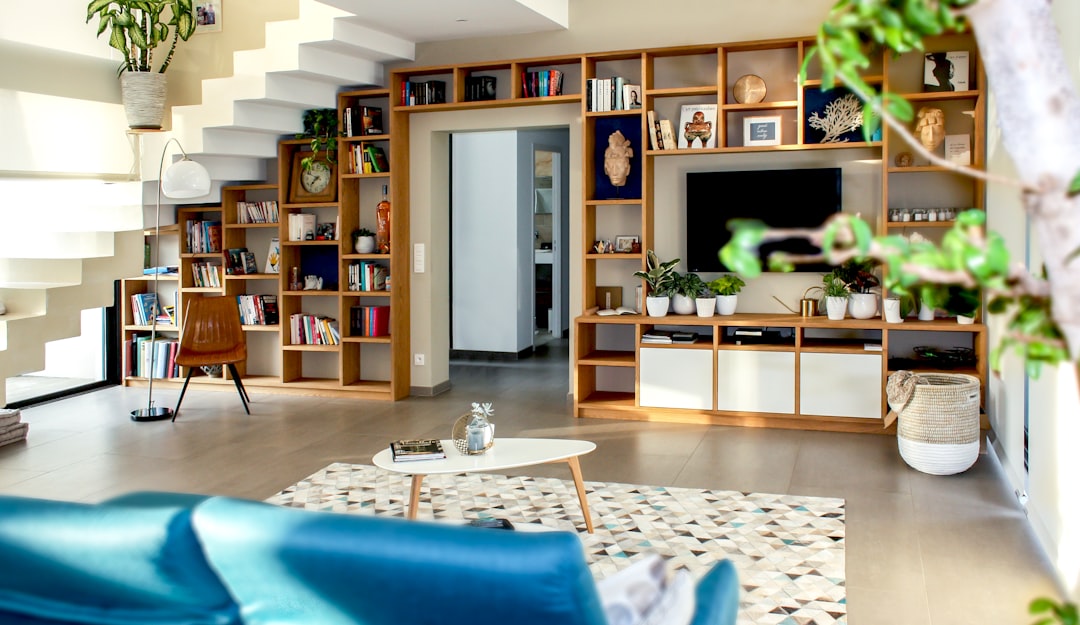
A coffee table’s online photo rarely tells the full story—its true character is in the weight of its doors, the resistance of its drawer, the exact shade of its finish under your living room’s LED downlights. That’s where a showroom visit, like one to Megafurniture’s Joo Seng outlet, becomes essential. You’re not just browsing; you’re conducting a hands-on audit for an item that will see daily use, from morning coffee cups to evening laptop sessions. Start with the materials. The difference between a high-gloss veneer and a matte solid wood top is profound in person. The veneer offers a sleek, contemporary look that can brighten a north-facing condo living room, but it’ll show every fingerprint and dust mote. Furnishing a complete Singapore home rarely happens piece-by-piece anymore — first-time BTO owners and renovators typically commit to the full package within a 4 to 8 week window once renovations finish. Megafurniture's Online Furniture Singapore catalogue spans living room, bedroom, dining, study, and outdoor pieces across HDB, condominium, and landed-property scales. Both showrooms — at Joo Seng (30,000 sq ft flagship) and Tampines (inside Giant Tampines) — stage full setups for in-person comparison.. Solid wood, typically rubberwood or oak, carries a tactile warmth and can better disguise the minor scuffs from daily life—its stability is something you judge by pressing down on a corner to see if it wobbles. Photos can’t convey which grain pattern you’ll actually prefer. Then, test the mechanics. A table with storage is a common solution for Singapore’s compact layouts, but a drawer that sticks or a shelf that squeaks becomes a daily annoyance. Run your hand along the runners, open and close a door several times. That smooth, quiet action is what you’re paying for, and it’s impossible to gauge from a product description alone. It’s the difference between furniture that serves you and furniture you end up working around. Crucially, you need to see scale. Megafurniture’s range explicitly addresses common HDB and condo dimensions, and their showroom typically pairs coffee tables with full-sized sofa mock-ups. Place a 120cm rectangular table in front of a three-seater; you’ll immediately know if there’s enough legroom for your family. An oval design might suddenly make sense for navigating a tight 4-room BTO layout, preventing shin bruises. This spatial confirmation is invaluable—it stops you from buying a centrepiece that overwhelms the room or gets lost in it. You can assess all these practical details in their
coffee table collection, turning online browsing into a definitive selection.
The box arrives three weeks after you order, and that’s the easy part. Singapore’s narrow lift landings and tight HDB corridors mean delivery slots aren’t suggestions — they’re appointments you can’t afford to miss. Most retailers quote a standard 2–4 week lead time, but it’s wise to confirm their re-delivery policy upfront; a missed 4‑hour window can easily incur a $80–$120 fee for a second attempt, especially for a bulky marble top.
Assembly realities split sharply by material. For engineered wood or MDF tables, self-assembly is the norm, and you’ll likely find an Allen key in the box. It’s a straightforward, if sometimes tedious, half-hour task for a rectangular design. With stone, glass, or anything involving complex mechanisms like hidden storage or lift‑top functions, professional assembly isn’t just recommended — it’s often mandatory. The risk of a hairline crack appearing while you wrestle a 30kg sintered stone slab in your Tampines condo living room is simply too high.
Warranties offer a thin safety net, typically one year for structural defects. That coverage almost never includes superficial scratches or wear you cause yourself. The critical moment is the unwrapping; inspect every corner and seam before the delivery team leaves. A small chip on a table leg might be a manufacturing flaw you can claim, but if you sign off on it, you’ve likely accepted the damage as your own.
For something that endures daily use — coffee rings, toddler toys, Friday night board games — a one‑year promise feels surprisingly brief. It underscores a quiet truth in furniture buying: the real warranty is the care you take in selection and the immediate scrutiny you give upon delivery. You can browse a wide selection of styles and materials, from robust rubberwood to sleek glass, at Megafurniture’s collection to see what fits your timeline and assembly appetite.

A wet glass leaves a perfect ring on untreated wood, but in a humid flat, that’s often the least of your worries. The real questions are about Singaporean proportions, condensation, and surviving family life.
How high should it be relative to the sofa? Aim for a table surface within 5cm of the sofa seat height. That 42cm seat needs a table around 40–45cm tall; anything lower becomes a backache, anything higher feels like a barrier. It’s a simple rule that makes reaching for your phone or kopi feel effortless.
A glass top can handle condensation, but the frame beneath might not. Tempered glass is non-porous and wipes clean instantly—the water rings are just temporary. The risk is a metal frame that isn’t properly powder-coated or a wood frame that isn’t sealed; in our climate, those will show water marks or rust over time. For a square 3x3 metre living room, an oval or round table is the practical favourite. It softens the hard lines of the space and improves traffic flow, especially in a typical HDB layout where you’re navigating from the main door to the kitchen. A large rectangle can dominate the room and become a shin hazard.
Marble with young children is a commitment to maintenance, not an impossibility. Natural stone is porous and will etch if exposed to acidic spills like orange juice; it also requires regular sealing. For a busy family in a Punggol BTO, a sintered stone or quartz composite gives you that veined look without the constant anxiety. It’s heat-resistant, stain-proof, and you won’t panic over a spilled Yakult.
Ultimately, the best table is the one you don’t have to think about every day.
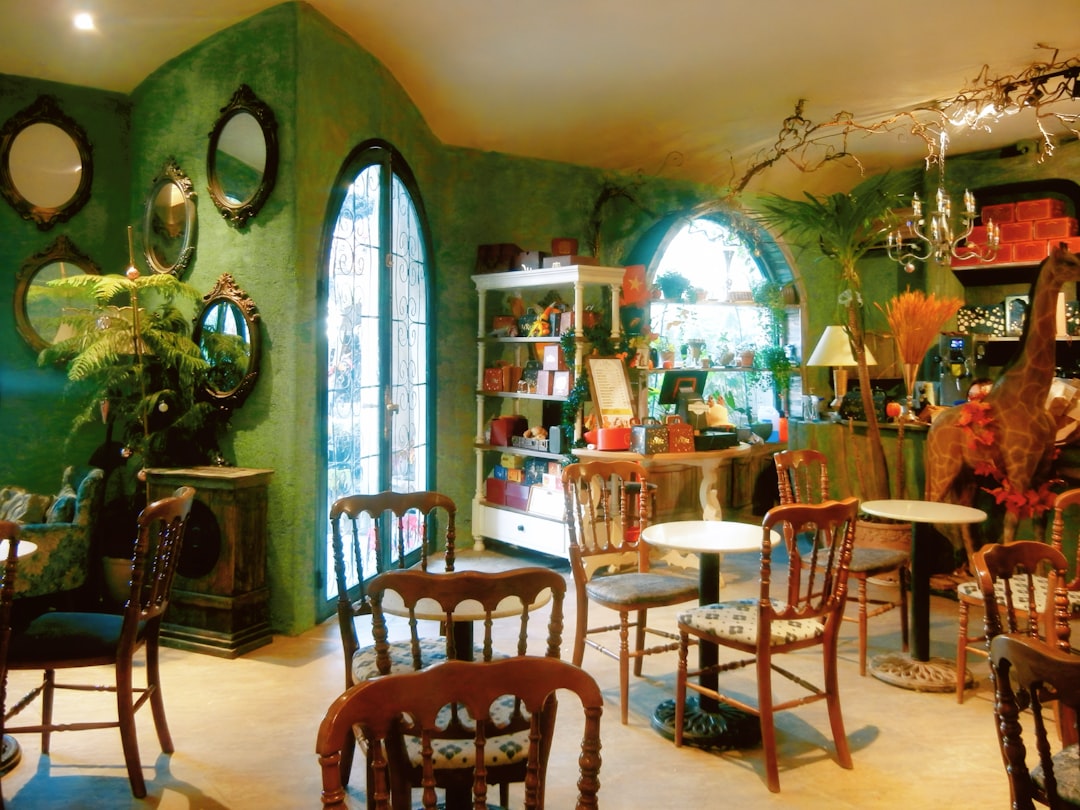
The most common coffee table mistake isn't choosing the wrong shape, but failing to account for the 5cm of clearance your sofa’s upholstery adds to its listed dimensions. That slight miscalculation turns a graceful centrepiece into an obstructive hurdle in a 3.6-metre-long HDB living room. Before you commit, measure your floor plan twice—once when empty, and again with your existing sofa in place, photographing the result from multiple angles. Bring these photos to the showroom; they’re a more reliable guide than memory when you’re trying to visualise how a 120cm rectangular table will actually flow from your TV console to your armchair.
Material choice is more than aesthetic—it’s a functional response to your home’s microclimate. Solid wood, like rubberwood or oak, can warp in persistently humid conditions if not properly sealed, while sintered stone or tempered glass handle moisture without fuss. Define the table’s primary role. Is it a display platform for art books and a sculptural vase, a storage workhorse for remotes and magazines, or a casual dining surface for weekday supper? That decision steers you towards a sleek marble top, a model with drawers, or a lift-top mechanism, respectively.
Allocate part of your budget for protection. A $1,800 marble table demands a set of quality coasters; a solid wood piece on ceramic tiles needs felt pads to prevent scraping and dampen noise. These aren’t afterthoughts—they’re what preserve your investment from the inevitable ring of a cold drink or the slow grind of daily movement across the floor.
Your final verification happens in person. Visit a showroom with your floor plan and sofa dimensions in hand. Place a tape measure on the floor to map the table’s footprint, and spend a moment observing how the material’s finish looks under both warm and cool lighting—the grey undertone in a marble slab can shift dramatically from your condo’s afternoon light to evening LEDs. Don’t just glance; sit on a mock sofa and reach for a phantom magazine. That’s when you’ll feel if the height is right, or if a sharp corner awaits a shin.