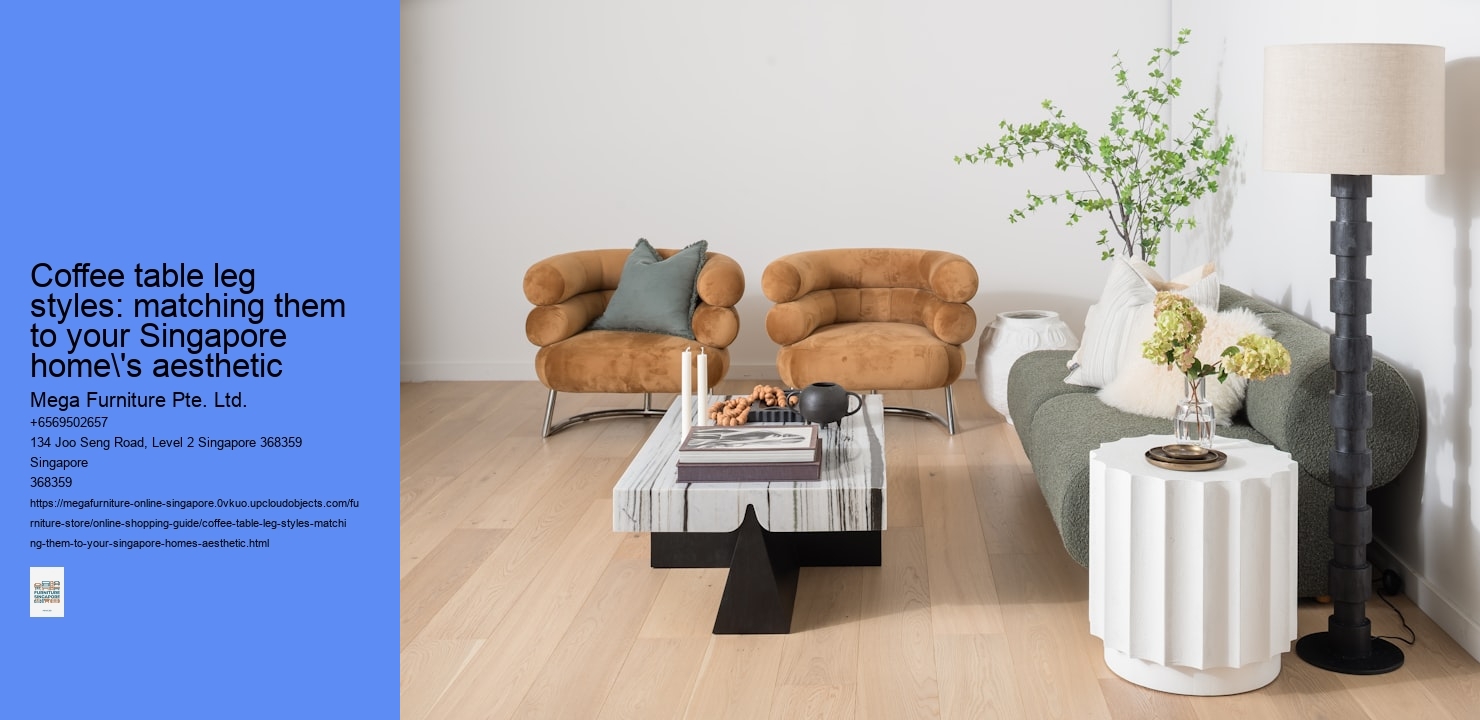
In a 12 sqm HDB living room, the wrong table base can make the entire space feel like a cluttered corridor. The trick isn't just the tabletop’s dimensions; it’s the visual weight and real footprint of what’s holding it up. Tapered wooden legs or slender, splayed metal ones lift the piece visually, creating a sense of airiness that belies the tight floor plan. They’re a classic choice for a reason—they get out of the way.
Contrast that with a 20 sqm condo living area, where you’ve got the square footage to play with proportion. Here, solid block bases or sculptural metalwork can anchor the seating arrangement without overwhelming it. A chunky travertine plinth or a bold, geometric welded base becomes a statement, defining the room’s centre without shrinking it. The extra metre or two in width makes all the difference.
Clearance is non-negotiable, regardless of your postcode. You’ll need a consistent 40cm, at minimum, between the sofa and the table’s edge for comfortable foot traffic and that essential robot vacuum route. A table with legs set right at its corners often fails this test, creating a boxy obstacle; a design with a central pedestal or inset legs typically offers clearer peripheral circulation. It’s a practical check that many regret overlooking after the delivery truck leaves.
Material choices follow this logic of space. In compact settings, glass tops or light-toned woods on slender legs enhance the feeling of openness. For larger condo layouts, you can confidently opt for the visual heft of a solid marble slab or a dark-stained oak, supported by a substantial base. The table should feel generous, not greedy, with its claim on your floor.
Ultimately, the leg style dictates the room’s flow more than you’d think. A well-chosen base doesn't just hold up a table—it organises the life around it.
This classic style offers a timeless, mid-century modern touch that suits minimalist and Scandinavian-inspired Singapore homes. The clean, narrowing line from tabletop to floor creates a light, airy feel, perfect for smaller HDB living rooms. Pair them with a light oak or walnut tabletop for a cohesive, warm aesthetic that balances modern simplicity with natural texture.
Angular or tubular metal frames provide a strong industrial or contemporary look, ideal for loft-style apartments or modern condos. These legs, often in matte black or brushed brass, create visual structure and pair beautifully with materials like tempered glass or concrete-finish tops. They introduce a deliberate, designed element that anchors the space without visual heaviness.
Featuring organic, rounded shapes, these legs bring a soft, sculptural quality that complements eclectic or Japandi-style interiors. The flowing forms add movement and artistic interest, contrasting nicely with the straight lines of sofas and shelving. This style works exceptionally well with a live-edge or stone tabletop, creating a harmonious blend of natural form and crafted elegance.
The coffee table's legs are its first impression, and in Singapore's living rooms, that impression sticks. They anchor the piece visually, dictating whether it feels like a light accent or a substantial centrepiece. You'll often see hairpin legs on reclaimed wood tops in Joo Chiat shophouse conversions, their retro-industrial vibe a perfect foil for exposed brick and cement screed floors. That look feels deliberate, a bit curated — it's not for every four-room BTO.
For those cleaner, airier schemes in Sembawang or Punggol BTOs, square tapered legs are the quiet workhorse. Their gentle slope and minimalist profile align perfectly with Scandinavian or Japandi aesthetics; they support a sintered stone top without shouting for attention, letting the material's veining take centre stage. It's a leg that knows its place, which is why it's a favourite for flats where visual clutter is the real enemy.
Then there's the carved wooden leg, a statement reserved for landed properties in Bukit Timah or Seletar where heritage styles have room to breathe. A fluted or cabriole leg on a solid teak or marble table adds undeniable visual weight and ornate detail — it's a maximalist choice that demands a matching sofa scale and a room that can handle the grandeur. In a compact condo living room, that same table would feel overwhelming, like it's trying to claim territory it doesn't have.
The rule of thumb is simple: decide your sofa first, then choose the leg. A low-slung, deep-seated modular sofa needs a table with enough presence to meet it visually, perhaps with chunkier turned legs. A leggy, light-arm sofa can pair with almost anything, but it's a chance to let the table's base become a feature. Ignore this sequence, and you'll end up with a living room that feels disjointed, where the centrepiece furniture is having two different conversations.
Material matters, too. Slim metal legs on a heavy marble top create a pleasing tension, while thick wooden legs on an engineered wood table can look clumsy. It's about balance — the leg style ultimately controls that perceived heft, long before anyone ever puts a cup down.
That beautiful teak or walnut leg will warp if you don't seal it religiously. Singapore's humidity acts like a slow, persistent force, twisting grain over months. You'll need to check the finish annually, especially on the unseen bottom where water from mopping wicks up. It's a commitment, but for many, the warmth of real timber is worth the upkeep. Just don't expect a 'set and forget' piece in a pet-friendly, high-humidity living room.
For households with a boisterous dog or a cat that uses furniture as a scratching post, this is your best defence. A properly applied powder coat on a metal leg frame creates a hardened shell that resists claws and scuffs far better than paint. It’s also impervious to moisture, so you won’t see rusty blooms near the floor. The finish stays looking crisp for years, which is why it’s a staple in durable, modern designs. Look for a slightly textured finish—it hides minor marks even better.
Cheap tables often hide a core of medium-density fibreboard inside their legs, and that's a terrible bet here. MDF acts like a sponge in 80% humidity, swelling irreversibly at the base where it contacts ambient moisture. The resulting bulge can split veneers or crack finishes, leaving a permanently wobbly table. It’s a false economy for a centrepiece that needs to last in our climate. Always ask about core material—solid timber or metal is the only safe answer.
Full-grain leather isn't just for sofas; it makes a surprisingly resilient and stable wrap for table legs. The material naturally breathes and adjusts to atmospheric changes without warping the structure it covers. It develops a rich patina over time, and it’s remarkably resistant to scratches from pet nails. While it requires occasional conditioning, it won’t fail catastrophically like cheap laminates. It’s a sophisticated, humidity-proof solution that adds tactile warmth to a room.
This is the high-performance option for absolute stability. Sintered stone composites are non-porous, so humidity has zero effect, and they’re virtually scratch-proof against pet damage. You’ll see it used for entire tabletops, but it’s increasingly shaped into sleek, monolithic legs that offer incredible structural integrity. The cost is higher, but you’re buying permanent peace of mind against climate and claws. For a forever piece in a condo by the coast, it’s hard to beat.
A buyer will agonise over a coffee table's surface material, then get it home and stub their toe on a leg that juts 10cm into the walkway every night. Proportion and daily function are the quiet oversights that turn a centrepiece into a nuisance, especially in a 4-room BTO layout where every centimetre counts.
Leg style choice is equally practical, not just aesthetic. Intricately turned wooden legs or a complex sculptural metal base become dust traps in high-traffic zones. In a household with kids or near a main door, you’ll be cleaning them weekly. A simpler tapered leg, cylindrical pedestal, or solid slab side offers far easier maintenance. And don't forget what happens underneath. Many Singaporeans choose tables with a lower shelf or clearance for storage bins—a clever hack for seasonal items or toys. Forgetting to measure that clearance height means your IKEA Samla bins won't slide in, rendering the feature useless.
The most common misstep is pairing a deep-seated, low-profile sofa with a table that’s too short. You’ll end up leaning forward awkwardly to reach your teacup, defeating the purpose of a relaxed lounge. Aim for a table height within 5cm of the sofa seat cushion—typically placing it around 40–45cm off the ground. Then, consider the footprint. A rectangular sintered stone table might look majestic in a showroom, but its sharp corners become hip-bruising hazards in a tight path to the balcony or dining area. An oval or round profile often negotiates HDB traffic flow more gracefully.
That final measurement is the true test. Before committing, clear the floor and mock up the table's dimensions with newspaper or cardboard. Walk around it, pull your legs back on the sofa, and slide a storage bin into the proposed space. It’s the five-minute ritual that prevents a five-year regret.
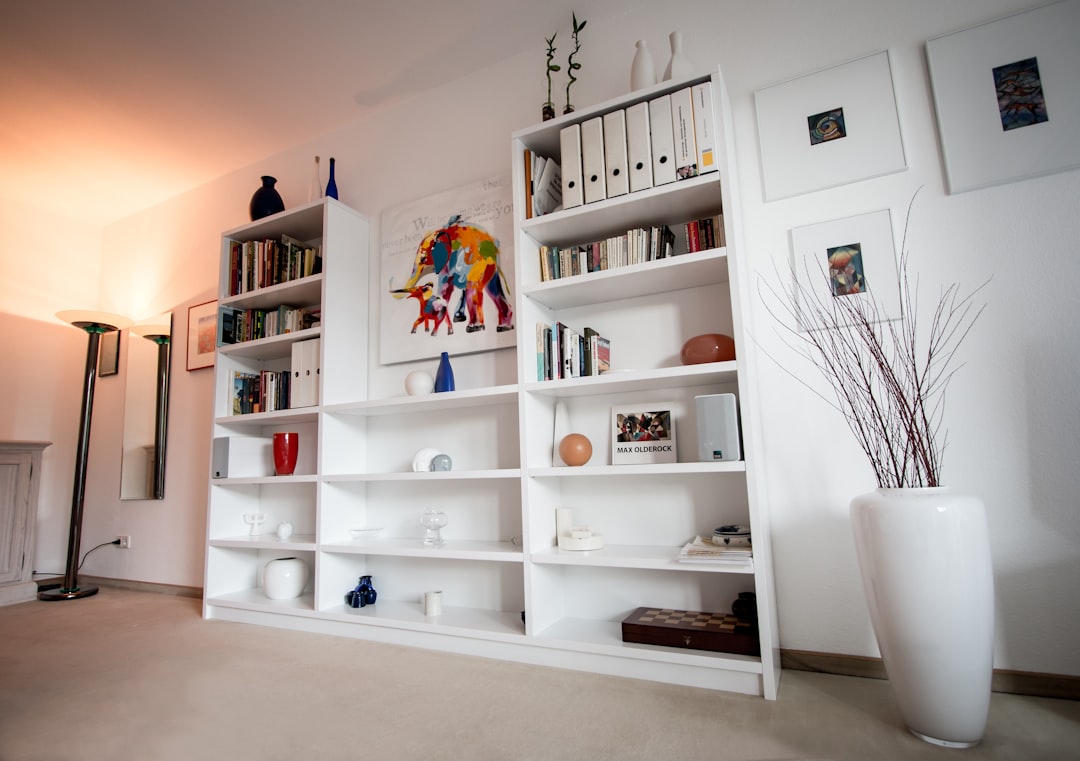


The difference between a coffee table that lasts a decade and one that wobbles after a year often lies beneath the surface, in the joinery and heft of its legs. Online images can’t convey the solidity of a mortise-and-tenon joint in solid rubberwood or the disappointing lightness of a hollow metal tube finished to look substantial. That’s why a visit to a showroom like Megafurniture’s Joo Seng outlet is a decisive step for a buyer serious about construction—you can lift a corner to feel its weight, press down on its surface to test for racking, and run a finger along a mitred edge to check for seamless finish.
You’ll find over thirty leg styles in one location, from tapered mid-century modern profiles in oak to chunky, turned colonial designs in mahogany-toned engineered wood. This side-by-side comparison is invaluable; a leg that looks elegant online might appear disproportionately slender next to your planned three-seater sofa, while another’s sculptural fluting could become the centrepiece your minimalist living room needs. The staff there are accustomed to questions about sofa compatibility—they can advise whether a table with a 120cm length and splayed metal legs will comfortably fit the 85cm gap between a typical sectional and your media console.
Assessing stability on the actual showroom floor matters, too. A table that sits perfectly level on a warehouse concrete slab might reveal a slight rock on your own parquet or vinyl plank flooring—an immediate red flag you’d miss from a digital cart. It’s also your chance to judge finish quality under real lighting; that “warm grey” marble top might skew blue under your LED downlights, while the “matte black” powder coating could show fingerprints more readily than you’d like.
For those finalising a living room layout, especially in compact four-room BTOs, this tactile verification prevents a costly mismatch. You’ll leave either confident in your choice or aware you need to keep looking—both outcomes better than the surprise of a poorly packed flat-box delivery. Browse the coffee table options at Megafurniture’s collection after your visit to cross-reference what you’ve seen.
That sculptural coffee table with the welded steel legs you saw at the showroom won't fit through your HDB lift door; it'll arrive in a crate, and you'll need to measure the landing. Most suppliers assume a standard 1.2m by 1.4m lift landing and a staircase turn of at least 90 degrees, but older blocks around Queenstown or Toa Payoh can have tighter angles and narrower spaces. If the legs aren't demountable — common with many metal or solid wood sculptural designs — the entire unit must be manoeuvred in one piece, which becomes a two-person job with potential wall scrapes.
Assembly itself is often straightforward for a simple rectangular table, but complex leg brackets, especially those involving cantilevered designs or multiple intersecting supports, typically require on-site fitting. The installer will bring a mallet and hex keys, not just a screwdriver; they'll check for floor contact and adjust the tension on any threaded connectors. This isn't a five-minute IKEA job — it's a half-hour process where you should be present to confirm the final height and stability.
The real test comes over the next six months, as Singapore's concrete floors, particularly in 1980s-era HDB blocks, settle unevenly. This is where warranty scrutiny matters. A comprehensive warranty should explicitly cover leg joint loosening or separation caused by floor unevenness, not just manufacturing defects. Many warranties only cover 'structural failure' under ideal conditions, which ignores the reality of a 4-room BTO living room where one corner of the slab dips 5mm.
Look for a clause that mentions 'environmental factors' or 'installation site conditions'; if it's absent, you're assuming the risk. That elegant, thin-legged table might start rocking after your first humid season, and without coverage, you're left with DIY shims or a permanent wobble. It's a frequent, quiet issue — the table looks fine until you place a teacup on it and watch the ripple.
Some retailers, like Megafurniture, offer on-site inspection as part of their service, which can pre-empt these problems. Their team can assess your space before delivery and note any significant unevenness, sometimes recommending a different base or a pre-installation levelling step.
You’ll hear it first from the homeowner in a four-room BTO: the coffee table is the last piece to be chosen, but it’s the one that fields the most specific, slightly panicked questions from family WhatsApp groups.
Can hairpin legs scratch my polished porcelain tiles? They can, but it’s often about the feet, not the leg itself. The real culprit is grit caught between the metal and the tile. Fit clear silicone or felt pads to the bottom of each leg; replace them every six months when you do a deep clean. For extra insurance on glossy surfaces, a thin, transparent vinyl mat cut to the table’s footprint is nearly invisible.
Are cabriole legs practical with young children? That elegant, curved silhouette is a shin magnet in a cramped living room. It’s less about sturdiness—a well-made cabriole leg is solid—and more about the protruding knee. If you’re set on the style, opt for a version with a rounded, sanded profile and avoid sharp carvings that can chip.
Which leg style makes a narrow HDB living room look wider? Straight, slim legs that sit at the table’s corners, like a hairpin or tapered design, create clear sightlines under the table. That exposed floor space, especially in a light colour, tricks the eye into perceiving more room. Avoid chunky pedestal bases or legs that splay outwards; they visually clutter the floor plan.
How to protect wooden legs from puppy chewing? Bitter apple spray is a common deterrent, but it needs frequent reapplication. A more durable solution is to wrap the lower few inches of each leg with clear, adhesive vinyl tape—it’s a physical barrier that’s barely noticeable. For a permanent fix, some local workshops can apply a thin metal sleeve to the base.
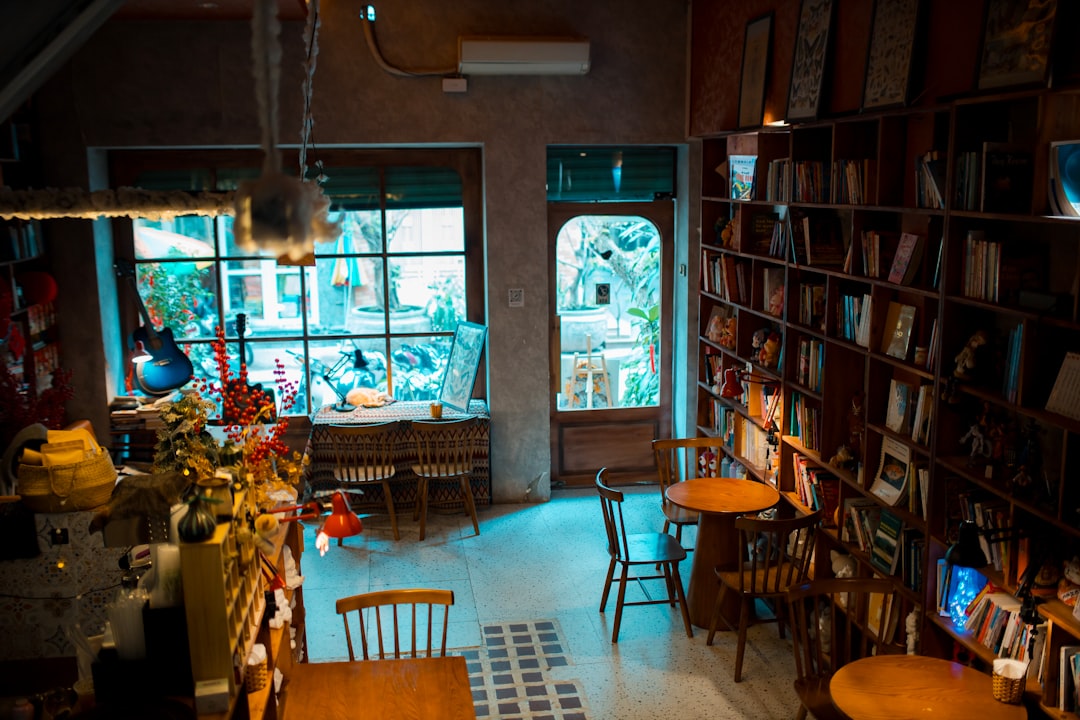
The coffee table you’ve admired online will almost always look smaller in your living room. That’s the first law of furniture shopping, and it’s why a final, physical mock-up is non-negotiable. Before you commit, re-check the leg span against your existing rug—a table that’s too narrow looks stranded, while one that overhangs can trip you up during late-night Netflix sessions. A simple trick is to cut newspaper or old cardboard to the table’s exact footprint and place it on the floor. Live with that outline for a day; you’ll quickly see if it blocks a walkway to the balcony or crowds your favourite armchair.
Next, consider the finish in the actual light of your space. A brushed nickel leg might have looked cohesive under showroom LEDs, but in your north-facing Tampines living room, it could clash with the matte black handles on your TV console. Metal finishes are not interchangeable—they’re a deliberate choice that should unify the room’s metal accents. Bring a sample of your existing hardware, or at least a photo, when you view the table in person to verify the match.
This leads to the final, more philosophical check: style longevity. You’re likely investing for the next five years, so ask if the design has a shelf life beyond the current trend cycle. That heavily-distressed, raw-edge live edge table might scream ‘2026’ now, but will it feel dated in a 2030 living room refresh? A simpler, sculptural silhouette in a timeless material like honed sintered stone or solid oak often wears better. Trends are for accessories; your centrepiece should have the bones to outlast them.
Ultimately, this last measure is about avoiding the regret of a rushed decision. It’s the difference between a table that merely fits and one that genuinely belongs—anchoring the room without dominating it, and matching your life, not just your mood board.