
An 18 to 25 square metre HDB living room doesn’t leave much margin for error—you’ve got about three paces from the TV console to the sofa back. That’s the reality for most four-room BTO layouts, where a coffee table that’s just 10 centimetres too long can turn a walkway into an obstacle course. The rule here is simple: avoid anything exceeding 120 centimetres in length; oversized tables become permanent residents of the centre, blocking the flow to the balcony or dining area.
Height is the other critical measurement, and it’s dictated by your sofa. With typical seat heights sitting between 42 and 48 centimetres, your coffee table should land within two to five centimetres of that mark. Aim for 40 to 45 centimetres. Any higher and you’ll be resting your elbows awkwardly; any lower and you’re doing a full crunch every time you reach for your phone. It’s a small detail that makes a tangible difference to daily comfort.
This dimensional discipline shapes the available styles. A long, low-slung rectangular table in engineered wood might suit a parallel sofa arrangement in Tampines, while a compact oval marble piece could better navigate the tighter corners of an older Eunos flat. Round tables are a savvy choice for families with young children, eliminating sharp corners in a confined space. The material choice then follows—sintered stone for durability against spills, or perhaps a glass top to maintain a sense of visual openness.
Ultimately, the coffee table is a negotiation between presence and passage. You want a centrepiece, but not a blockade. For those refreshing a worn table, it’s worth measuring the old piece and asking if a slightly smaller footprint could actually improve the room’s function. A well-proportioned table organises the living room around conversation, not congestion.
The coffee table in a Singapore living room faces a relentless test: condensation rings from iced teh, the damp thud of a school bag, and that pervasive humidity which can warp a poorly chosen top in a single season. For active households—where a toddler might treat it as a climbing frame or a pet’s claws click across it daily—material isn’t just about aesthetics; it’s about survival.
Solid woods like teak and acacia have a natural resistance to warping, making them reliable, if premium, choices for our climate. Engineered wood is a common alternative, but its performance hinges on the surface treatment; a melamine laminate will fare far better against moisture and spills than a thin wood veneer, which can peel at the edges. One rule is almost universal: avoid untreated MDF. It’s a sponge for humidity and will swell irreparably at the first sign of a prolonged wet season—you’ll see it bubble along the seams.
For homes that prioritise easy maintenance above all, sintered stone and tempered glass are pragmatic front-runners. A sintered stone top resists scratches, stains, and heat, requiring just a wipe with a damp cloth, while tempered glass offers a similar wipe-clean ease and a sense of visual space in tighter layouts. Both handle the chaos of pets and children without showing every mark. Marble, by contrast, demands a commitment. Its elegant veining comes with porosity; it typically needs sealing every six months to guard against etching from acidic spills like coffee or citrus juice.
That leaves you weighing character against convenience. A solid wood piece develops a patina that many find tells a story, while the engineered options offer consistent colour and often a lower price point. The choice often crystallises in a showroom moment—running a hand over a cool, impervious sintered stone surface versus the warm grain of acacia, considering which will better centre a room that’s equal parts lounge, dining area, and play space.
Buyers often grab a table that looks right in a showroom, only to find it sits at an awkward 35cm at home. That's several centimetres too low, forcing you to hunch over for your kopi or laptop. Conversely, a 50cm-high piece transforms your living area into a makeshift dining spot in Eunos or Bedok flats. The sweet spot typically sits between 38cm and 45cm, aligning with most sofa seat heights. Ignoring this range is a classic error, creating a centrepiece that's either a chore to use or visually dominates the room.
Another frequent oversight is cramming a large table too close to the sofa's edge. You need at least 30cm of clearance for comfortable legroom; anything less feels cramped and restricts movement. In a compact 4-room BTO layout, every centimetre counts, and a table that's 120cm long might simply be too ambitious. This mistake turns a functional surface into an obstacle, making the entire seating arrangement feel tense and impractical for daily relaxation.
In many HDB flats, surface area is plentiful but hidden storage is gold. Overlooking a table with built-in utility is a missed opportunity in spaces where every square metre is accounted for. A lift-top mechanism or a simple lower shelf adds crucial utility for remotes, magazines, or board games. That extra layer of organisation keeps the living room centre looking curated, not cluttered, which is half the battle in Singapore's compact homes.
Choosing a delicate glass top or a soft, untreated rubberwood for a family-centric space invites immediate regret. These materials show every fingerprint, water ring, and scratch from daily use in a bustling household. Sintered stone or engineered wood with a robust lacquer finish often proves more practical for the long haul. It's about matching the piece to your actual lifestyle, not just the showroom lighting.
A sharp rectangular table can dominate a narrow living room layout, creating a corridor of hazards. An oval or round design, with its lack of harsh corners, often improves flow and feels safer, especially with young children. The shape dictates the room's movement and feel as much as the size does. It's a spatial consideration that many buyers only appreciate after they've stubbed a toe for the tenth time.
The standard 3-seater sofa in a 4-room BTO living room creates a long, predictable footprint — it’s a geometry that practically demands a rectangular coffee table. That classic pairing organises the space neatly, providing a stable surface that aligns with the sofa’s length for remotes and magazines. It’s a safe, functional choice for many new HDB layouts where the walkways are planned and clear.
Step into an older resale flat in Queenstown or a walk-up in Joo Chiat, however, and the calculus shifts. Narrower corridors between furniture and irregular floor plans make sharp corners a genuine hazard for shins and children. Here, an oval or round table becomes the pragmatic centrepiece; its curved edges guide traffic flow and soften the space visually. This shape works equally well in open-plan condo living areas, where it avoids interrupting sightlines and feels less imposing than a hard rectangle.
Ultimately, the best shape is the one you don’t notice for the wrong reasons. It should fit the room’s traffic patterns so intuitively that its form simply feels like a natural part of your living area’s geography. You can explore a range of options, from space-saving rounds to substantial rectangles, in Megafurniture’s collection to see what aligns with your floor plan.
For those considering a bold, irregular sculptural piece — think organic stone or asymmetrical wood — floor area is the non-negotiable filter. Such a statement typically needs room to breathe, and you’ll want a clear perimeter of at least 60cm around it. In practical terms, that means reserving this option for living areas exceeding 22 sqm, common in larger condo units or landed homes. Anything less, and the art piece becomes an obstacle.
Material choice interacts directly with shape. A heavy marble oval feels substantial and anchors a room, while a slender metal-framed round table with a glass top maintains an airy, unobtrusive presence. The key is visual weight: a compact space can handle a bold shape if the material is light, or a simple shape if the material is dark and solid.


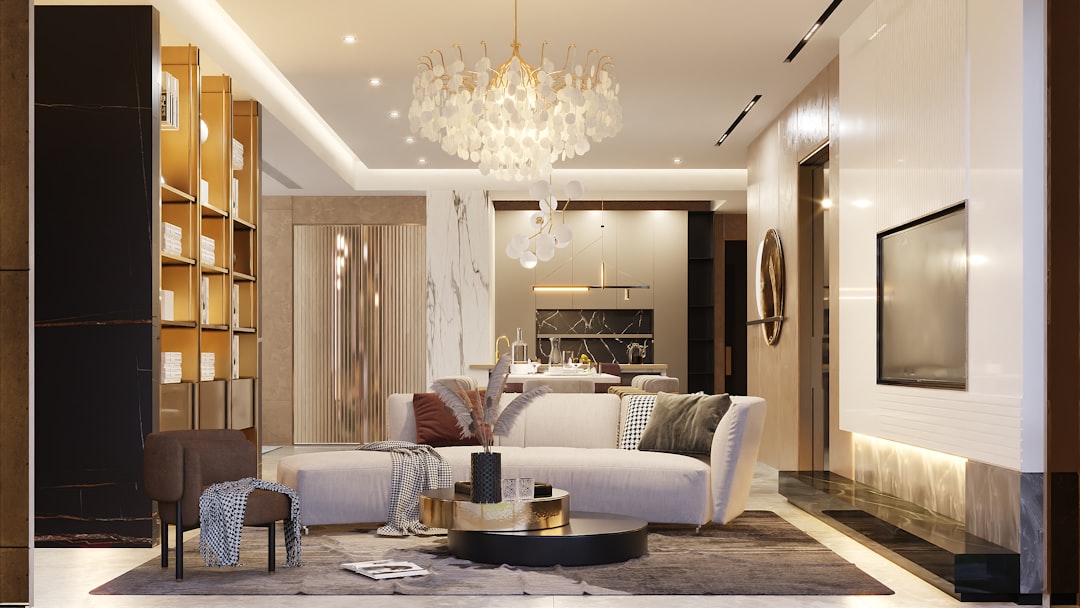
That new coffee table looks great for a few months, until a drawer starts sticking or a joint loosens from daily humidity cycles. Construction quality is what separates a centrepiece that lasts a decade from one that becomes a nuisance after a season.
Start by inspecting the joinery, especially on solid wood pieces. You want to see proper techniques like dovetail or mortise-and-tenon joints in the frame and drawers; these interlocking wood connections expand and contract with the climate without failing. Avoid anything held together primarily with staples and glue alone—that’s a shortcut, and it won’t survive the move from a Tampines showroom to your flat. Check underneath, too. Leg attachments should be reinforced with metal brackets or substantial wooden blocks, not just screwed directly into a thin panel.
For glass-top tables, which are popular in many condos for their light feel, safety and finish are non-negotiable. Look for the small, etched stamp confirming the glass is tempered; it’s a legal requirement for good reason. Run your fingers along the edges—they should be smoothly polished, not sharp or rough. A poorly finished edge is the first sign of a rushed manufacturing job.
Finally, test everything that moves. If there’s a drawer, slide it in and out fully a few times; it should glide smoothly without wobbling or catching. For lift-top mechanisms, which are a favourite for turning a coffee table into a casual dining spot, operate the hinge several times. It should feel solid and controlled, not jerky or loose. There’s no substitute for this hands-on check—a photo online won’t tell you if the hardware feels cheap.
A well-made piece might cost a bit more upfront, but you’re paying for peace of mind in a 4-room BTO where furniture can’t be replaced every other year. It’s the difference between buying an appliance and buying a problem.

A coffee table’s measurements on a website can feel abstract, disconnected from the reality of your own living room. You’re left wondering if that 45cm-high oval design will actually clear your knees, or if the marble top you’ve admired online will feel cold and imposing in person. This is where a showroom visit becomes more than a browse; it’s a practical step to confirm your choice. At Megafurniture’s Joo Seng or Tampines showrooms, you can see the full range of over forty coffee tables staged in local room settings. That’s crucial for judging proportion. You can physically test a table’s height against a mock-up sofa section, ensuring there’s comfortable clearance for legs and that the surface sits within easy reach. It’s also the only reliable way to assess material finishes — the true grain of a rubberwood slab, the cool heft of sintered stone, or the stability of a metal-and-glass design when you lean on it. Online images often render everything in a similar, idealised light; in person, you’ll notice which surfaces show fingerprints and which feel solidly constructed. The staff there can clarify logistical details that matter for a seamless purchase. They’ll confirm delivery timelines for different postal codes, which can vary significantly between a landed estate in the East and an HDB block in the North. They can also outline assembly requirements, telling you if that sleek, low-profile table arrives fully assembled or requires some simple fitting — information that determines whether you’ll need to schedule help on delivery day. For anyone serious about finding a centrepiece that fits both their space and their lifestyle, this hands-on verification is invaluable. You’ll leave either showroom with a concrete sense of scale and material, having moved beyond speculation. To explore the complete selection, you can browse Megafurniture’s
coffee table collectiononline first, then plan a visit to see your shortlisted pieces in three dimensions.
" width="100%" height="480">Choosing the Right Coffee Table Height: A Practical Guide (how_to)The most practical height for a standard coffee table is typically 1-2 inches lower than the seat height of your sofa. This usually translates to a range of 16 to 18 inches from the floor to the tabletop. This height ensures comfortable access to items on the table while maintaining a balanced visual line with your seating. Deviating too far from this range can make the table feel awkward to use.
A rectangular or oval table often works well at a standard height to complement the length of a sofa. For a square coffee table, maintaining a proportional height is key to preventing a bulky appearance. A lower-profile round table can enhance a sense of openness in a smaller seating area. The shape influences the perceived scale, so height should be adjusted to maintain harmony.
If your primary use is for serving drinks and snacks, a standard height is most functional for guests. A slightly lower table height may be preferable if it is meant to serve as a footrest in a casual living space. For tables intended to display art books or decorative objects, ensure the height showcases these items properly. Always align the physical dimensions with how you plan to use the surface daily.

That heavy marble slab you’ve chosen won’t magically appear in your fourth-floor HDB living room. Delivery logistics here are dictated by your housing type, and it’s rarely a simple drop-off. For most condos and landed homes, you’ll get kerbside delivery; the driver will unload onto your porch or the building’s loading bay, and that’s typically where their responsibility ends. In HDB blocks, it’s a different story — you’ll need to book the lift lobby time slot in advance through the town council’s online portal, a task that’s become as routine as paying your conservancy charges, and you’ll want to have a friend on standby to help with the final metres from the lift to your front door. Assembly is another variable that depends heavily on your chosen material. For engineered wood or metal-framed tables, expect flat-pack delivery and an afternoon with an Allen key; it’s a familiar ritual for many Singaporeans, often accompanied by the mild panic of a seemingly missing screw. Solid wood pieces, especially those with intricate joinery, and most stone-topped tables usually arrive fully assembled — they’re simply too heavy or delicate to put together on your 4-room BTO’s vinyl flooring. Once it’s in place, you’ll want to know what’s covered if something goes wrong. The industry standard is a one-year warranty against manufacturing defects, but the devil’s in the details. For sintered stone or marble tops, confirm the policy on hairline cracks or veining that may appear after installation; natural stone can behave unpredictably in our constant humidity. Pay particular attention to the terms for moving parts, like soft-close drawer mechanisms or any rotating tops — these are the components that see daily use when you’re reaching for the remote or a magazine. A common oversight is assuming the warranty covers damage during the move from the lobby into your home. It almost never does. That scuff on the leg from bumping against the riser in the stairwell? That’s on you. The one-year coverage is really for faults that reveal themselves in normal use, like a warping tabletop that wasn’t properly sealed or a drawer runner that fails under light loads. It’s worth browsing a retailer's full terms before committing — a clear warranty document is often a sign of a supplier confident in their build quality. You can review these details for various designs, from oval rubberwood to rectangular sintered stone, when you
explore Megafurniture's collection.
The standard coffee table height question comes up after buyer’s settled on a three-seater—that’s when the 40–45cm range matters most. It’s about matching the sofa’s seat height, so you’re not reaching up or leaning down awkwardly for a drink; a 5cm difference, seat to table, is the sweet spot in many HDB living rooms. Go lower, and it feels like a footrest; go higher, and it starts to look like a sideboard.
What’s the best shape for a compact 4-room BTO layout? Round or oval, and keep the diameter under 100cm. A sharp-cornered rectangle in a tight space is a shin hazard on the way to the balcony, while a soft-edged circle improves flow. That shape also suits the common conversation pit setup—a sofa paired with a single armchair—where no one gets a corner pointed at them.
Safety with toddlers isn’t just about material; it’s about geometry. Rounded corners are non-negotiable, and glass tops, while easy to clean, are a risk many parents now avoid entirely. Look for stable, heavy bases in solid wood or sintered stone that won’t tip if a child uses it to pull themselves up—a common test in Singapore’s typically open-plan living areas.
Can it double as a dining table? Almost never. The ideal dining height is 74–76cm, nearly double a coffee table’s, which makes proper meals a backache. You’ll see clever nesting or lift-top designs that try to bridge the gap, but they’re still a compromise for daily use. For a proper solution, you’d need to look at a separate, height-adjustable piece.
A buyer who’s spent weeks deliberating between a sculptural travertine piece and a practical oak storage table can still stumble at the final step. The most common misstep is neglecting to measure the clearance between the sofa seat and the table top—that 15 to 20cm difference is what keeps your shins safe and creates a comfortable reach. In a compact 4-room BTO layout, a 120cm round table might fit on paper, but it'll choke the walking path to the balcony once the armchairs are in place. Always tape out the footprint on your floor with newspaper or masking tape; it’s the only way to visualise the traffic flow. Material choice often defaults to aesthetics, but your household’s rhythm dictates durability. A performance velvet or treated linen upholstery on your sofa demands a table top that won’t scratch it—tempered glass or a sealed sintered stone are pragmatic partners. For homes with young children or in humid neighbourhoods like Bedok or Pasir Ris, avoid untreated solid woods that might warp; engineered wood with a robust lacquer or moisture-resistant laminates will hold up better against spilled drinks and constant dampness. Stock availability is a logistical reality many forget to check. That beautiful, hand-finished marble piece you’ve settled on might have a 10-week lead time, which won’t align with your condo move-in date. Verify showroom stock or confirmed warehouse arrivals before committing; if you need it within a fortnight, you’ll likely be choosing from ready-to-dispatch items, which often narrows the field to popular oak or ceramic-coated metal designs. It’s a trade-off between immediate gratification and waiting for a centrepiece. Finally, confirm the delivery particulars for your housing type. A large, heavy stone table might require a crane lift for a high-floor condo unit, adding significant cost, while HDB deliveries need to navigate void deck and lift dimensions—especially tricky for an L-shaped or oversized oval design. Landed property deliveries might seem straightforward, but ensure the crew can manage your porch steps or tight gate entrance. Don’t assume standard delivery covers every scenario; a quick call to clarify can prevent a stressful standoff in your driveway. You can
browse the optionswith these practical filters in mind.