The walkway from your HDB front door to the balcony is often a functional corridor, not just a design afterthought. In many resale flats, that path cuts directly through the living room, dictating furniture placement before you’ve even considered a style. A bulky rectangular coffee table can become a shin-bashing obstacle; an oval or round design with a smaller footprint typically allows for clearer circulation, especially when you’re navigating with groceries or a laundry basket. The 90cm width standard for walkways isn’t a suggestion—it’s the difference between a room that flows and one that constantly frustrates.
Newer BTO layouts often open up the kitchen, creating a long, uninterrupted space from the dining area to the sofa zone. This freedom tempts you toward a larger, statement piece, but remember the air-con unit’s draught. Placing a solid wood or marble table directly in that blast of cold, humid air is a fast track to condensation rings and material stress. You’ll want to offset the table slightly, or choose a material like sintered stone that’s utterly indifferent to moisture and temperature swings.
Condos with open-plan living and wet kitchens introduce another layer. The visual line from your sofa to the kitchen bench is paramount, and a heavy, dark table can anchor the space too aggressively. A glass-top or open metal-frame design maintains sightlines, making a 45 sqm apartment feel less cluttered. The wet kitchen’s humidity, though contained, still permeates—engineered wood with a poor laminate edge will bubble here faster than in a typical HDB.
Ultimately, your floor plan’s quirks should veto certain shapes long before you fall for a material. A sculptural irregular table might be a centrepiece in a showroom, but in a narrow HDB walkway, it’s just a series of sharp corners waiting for a passing ankle. Prioritise the room’s daily choreography over the catalog’s perfect shot.
Consider storage, but cautiously. A coffee table with drawers seems smart for a compact space, but if it forces the table deeper into the room, you’ll compromise that crucial corridor width every single day. Sometimes, the smarter storage is elsewhere, leaving your coffee table to simply be a surface that doesn’t get in the way.
The rubberwood coffee table that looked fine in the showroom can start to feel a bit sticky around the edges by its second monsoon season here. That’s the humidity talking — it’s a relentless, 80% year-round filter that sorts durable materials from the decorative ones. Stability matters more than cost per piece in this climate; a table that swells, warps, or corrodes isn’t a bargain, it’s a recurring problem.
Solid hardwoods like teak or acacia typically perform. They have a natural density and oil content that resists moisture absorption, meaning the tabletop won’t cup and the joinery won’t loosen after a few years in a Pasir Ris or Bedok flat. Cheaper rubberwood, while solid, is more porous — it’s prone to swelling, which can push apart mitred corners or bind drawers shut. Engineered wood and laminates present a different risk: the bonded layers may de-laminate at the edges, leaving unsightly, raised seams that catch on cloths and skin.
Metal legs are a common point of failure if the finish is merely paint, which will chip and allow rust to bloom in our coastal moisture. The proper defence is a powder-coat finish, a baked-on layer that bonds to the metal and acts as a true barrier; you’ll find this on better-quality frames, and it’s non-negotiable for longevity. That thin coat on a trendy hairpin leg often isn’t enough — it’s a finish for a dry climate, not for the salt-tinged air in a East Coast condo.
So the initial filter isn’t about style or even immediate cost; it’s a question of material integrity. You’re not just buying a centrepiece for your 4-room BTO living room — you’re selecting something that must quietly endure while everything around it, from the air to your weekend coffee, is actively trying to change it.
Glass surfaces stay wonderfully cool in Singapore's climate, a genuine relief on humid afternoons. That pristine clarity, however, becomes a high-maintenance liability in any home with kids or regular social gatherings. You'll see every fingerprint smudge, every water ring from a neglected coaster, and every speck of dust within minutes of wiping. Tempered glass isn't just a recommendation here—it's a non-negotiable safety mandate for any table, as standard glass can shatter dangerously. The constant wiping can feel like a chore, turning a centrepiece into a daily reminder of household labour.
Sintered stone earns its premium price by laughing off most daily indignities. Hot mugs, spilled curry, and even acidic calamansi juice won't stain or etch its surface, making it ideal for a busy living room. Natural marble, while stunning, is a far more fragile companion for real life; that same calamansi juice will etch a permanent, cloudy ring if not blotted instantly. The weight is a serious consideration, especially for older HDB blocks, and installation typically requires professional handling. For a truly carefree surface, sintered stone is hard to beat, though its cold, hard feel isn't for everyone.
Engineered wood veneers offer a warm, affordable look that solid wood can't match at similar price points. The critical failure point in our humidity isn't the panel itself, but the seams where veneer sheets meet. Without proper climate-controlled storage before delivery—a step many suppliers skip—the adhesive can weaken, leading to peeling edges within months. This is especially common with cheaper MDF substrates that swell in the damp. Once a seam starts to lift, there's little you can do besides applying messy glue and hoping for the best.
Singapore's 80% average humidity isn't a background detail; it's an active participant in your furniture's lifespan. Materials absorb moisture from the air, expanding subtly, then contract under air-conditioning, creating constant stress. This cyclical movement is what opens gaps in veneer, warps solid wood if improperly treated, and can even delaminate cheaper plywood cores. A good rule of thumb is to let any wood-based table acclimatise in your living room for at least 48 hours before judging its fit or finish. Ignoring this process is a sure way to discover unpleasant surprises after the delivery team has left.
Choosing a material ultimately comes down to aligning its reality with your household's rhythms. A young family might prioritise the stain-proof hardness of sintered stone over marble's elegant patina, which includes accepting wear. A minimalist who enjoys the ritual of care might find the daily polishing of glass a meditative act rather than a nuisance. It's worth considering how the table will be used—primarily for display, or as a de facto dining surface during movie nights. That honest assessment saves more disappointment than any sales brochure ever could.

The brass coffee table that looks so sharp in the showroom—against the moody gallery wall and perfect downlighting—will start to spot within months in your Tampines living room. That’s the common trap: a buyer falls for a finish that photographs beautifully but can’t handle the reality of Singapore’s humidity, or the daily wear of a family room. They’re choosing a centrepiece for a life they don’t actually live, and the replacement cycle begins in under three years.
Then there’s the practical geometry of our spaces. A dramatic, angular table with sharp corners is a shin hazard in the narrow walkways common to many HDB layouts, where you’re squeezing past to get to the balcony or dining area. A pristine white marble or laminate surface will yellow noticeably if it sits in the direct sunlight from your east-facing window in Bedok, and every water ring from a cold glass becomes a permanent ghost.
It’s a costly lesson. Spending $800 on a table you’ll resent and replace in 2029 isn’t a style refresh—it’s a waste. The alternative is to start with the practical constraints: the climate, the room’s traffic flow, your actual cleaning tolerance. A sintered stone top in a neutral, patterned finish resists stains and sun damage; a lightly sealed oak or acacia wood is easier to maintain. You can still find a design you love, but you’ll be choosing from materials that love you back.
Untreated or poorly coated metal frames, especially in legs or bases, will inevitably rust in the humid climate. This not only weakens the structural integrity but also causes unsightly stains that can transfer onto floors or rugs. Furthermore, metal surfaces frequently develop persistent condensation, leading to constant "sweating" and water rings.
Shiny, unlacquered brass develops a patina fast, which isn’t the elegant, even tarnish you might hope for—it’s often splotchy and requires constant polishing to maintain its original look. Raw concrete might suit an industrial loft aesthetic, but in a typical 4-room BTO, it’s a dust magnet and feels cold to the touch, literally and figuratively. Deeply grained, rustic solid wood, while durable, becomes a crumb cemetery after every snack session; cleaning those crevices is a weekend chore nobody signed up for.
In Singapore's humidity, thin veneers over particle board are a major pitfall. The moisture causes the underlying substrate to swell and warp, leading to irreversible delamination where the veneer peels or bubbles. This results in a permanently damaged surface that cannot be sanded or refinished, as the thin decorative layer is destroyed.
While solid wood is durable, unacclimatized or improperly finished pieces are prone to cracking and severe warping. The constant humidity causes wood to expand, and if it hasn't been kiln-dried for tropical conditions, internal stresses lead to permanent splits along the grain. A lack of a robust, moisture-sealing finish accelerates this damaging absorption of ambient moisture.
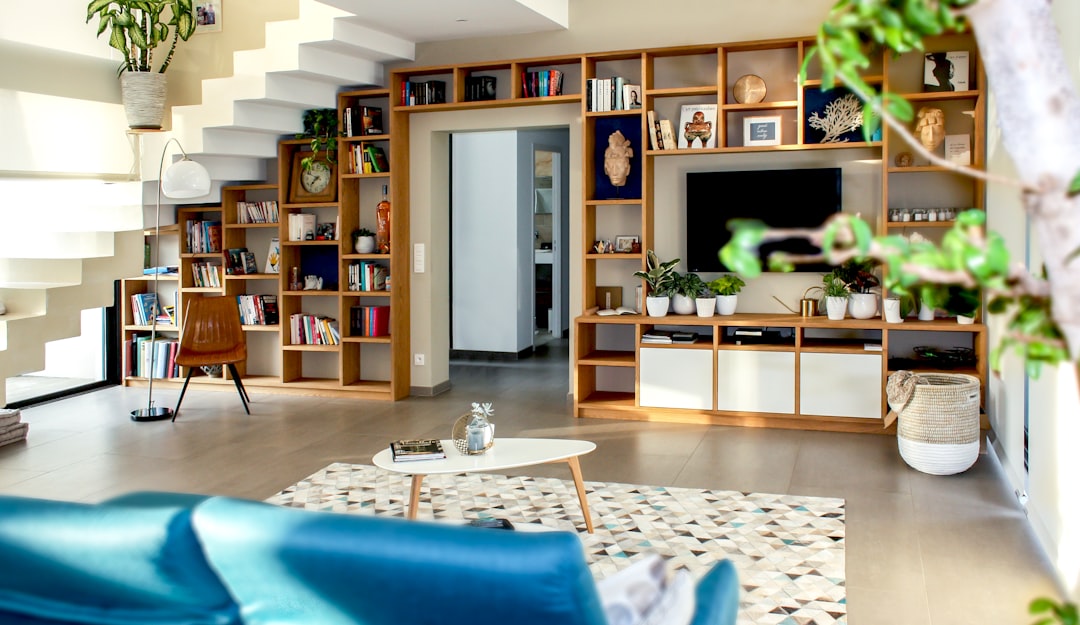
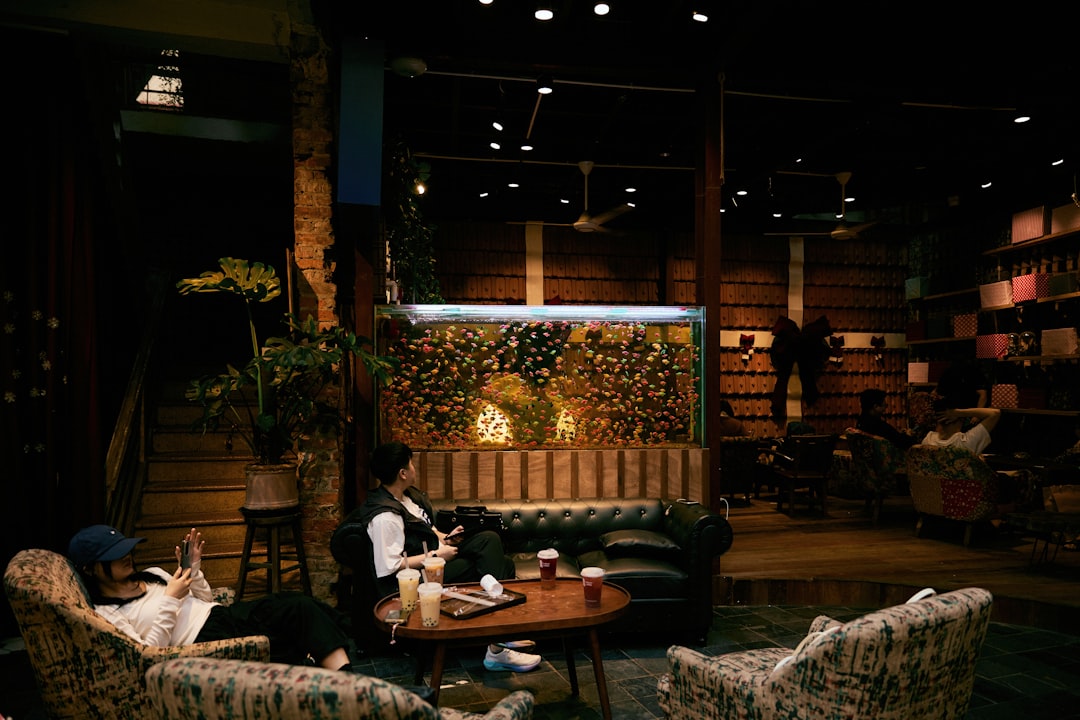

The image of a sleek marble coffee table on your phone is a lie. It’s a flat, warm-lit fantasy that hides the true heft of the stone, the coolness of its touch, and the subtle veining that might clash with your sofa. For a piece that sits at the literal centre of your living room, settling for pixels is a gamble with daily disappointment. Online galleries are masters of disguise. They can’t convey the solid *thunk* of a well-joined solid wood leg versus the hollow sound of a veneered panel, nor the precise, silent glide of a quality drawer runner versus a gritty, hesitant pull. In a 4-room BTO living room, you’ll be interacting with this surface constantly—placing down a cold drink, scraping a child’s toy across it, feeling for sharp edges. The difference between a laminate that feels like plastic and an oiled walnut that feels like furniture is everything. That’s why a trip to a physical showroom isn’t just helpful; it’s essential. At Megafurniture’s spaces in Joo Seng or Tampines, you can test the stability of a cantilevered design by leaning on it, run your hand over the texture of a sintered stone top, and see how a proposed navy blue finish reads under both daylight and warm LED lighting. You’ll immediately know if the 120cm length you chose online overwhelms your space or if the 40cm height is awkward with your sectional. It transforms the purchase from an abstract choice into a concrete one. You’re not just buying a table; you’re confirming the joinery is tight, the finish is even, and the proportions work with your body and your room. For a daily-use centrepiece, that confidence only comes from physical inspection. You can see the full breadth of options, from chunky rubberwood to minimalist powder-coated metal, all in one visit at their
coffee table collection. Otherwise, you’re left hoping the delivery crew brings the piece you imagined, not the one you actually ordered.
The delivery crew will likely stop at your HDB lift lobby, because that’s where the 1.8-metre crate for your solid wood slab table ends its journey. Staircase charges for oversized items are standard, and they’re not trivial—often adding $50 to $150 depending on the floor and the number of tight turns. For a 4-room BTO, you’re measuring that final distance from lift to front door in centimetres, not metres; it’s worth confirming the exact delivery protocol before you commit to a design that arrives in one monolithic piece.
Self-assembly is the common workaround, a flat-pack solution that sidesteps the bulky crate and the extra fees. That’s the practical appeal behind many engineered wood and metal-frame designs. The trade-off is in the final setup: an improperly levelled table on an uneven HDB floor tile is a wobbly annoyance you’ll notice every time you set down a drink. It’s a five-minute job with a spirit level and some felt pads, but it’s a job you’ll have to do yourself.
The warranty card often reads like a list of exclusions. Surface scratches from daily use, water rings from glasses, and the slow warping induced by our 70–80% humidity are frequently categorised as ‘wear and tear’ or ‘environmental damage’—conditions not covered under a standard guarantee. For a material like solid rubberwood or even some laminated MDF cores, you must ask the retailer directly: does this warranty explicitly cover humidity-induced warping or mould? If the answer is vague, assume the coverage is, too.
This is where material choice becomes a practical filter. A sintered stone top or powder-coated metal frame laughs off moisture concerns, but it’s also a heavier delivery challenge. A beautiful, live-edge acacia slab might be your centrepiece dream, but its solid construction means it’s coming in that giant crate. You’re balancing the long-term resilience of the material against the short-term logistics of getting it through your front door and keeping it covered once it’s there.
Forum threads on coffee tables often start with a specific, urgent problem—a toddler’s sticky hands, a forgotten coaster, a balcony view ruined by rust. The questions aren’t abstract; they’re about survival in a 4-room BTO.
What coffee table suits toddlers and wet play? For that, you’ll want a non-porous top that wipes clean in seconds. Sintered stone or quartz composite handles juice spills and Play-Doh without a second thought; sealed marble works, though it can etch. Avoid any wood with a matte oil finish—watermarks will haunt you. A rounded, cornerless design is the real secret, though—fewer head bumps during weekend play.
Can a glass top handle hotpot placed directly on it? Generally, no. Tempered glass is strong, but sudden, intense heat from a claypot or steamboat base can cause thermal shock and fracture. It’s a common sight in Tampines or Bedok households where dining and living spaces merge. Use a trivet or a thick silicone mat every single time; that’s the non-negotiable rule for glass.
Best material for a balcony coffee table near the sea? Salt spray in marine parade estates is relentless. Powder-coated aluminium or all-weather rattan won’t corrode like untreated metal. If you must have a wood look, go for teak—its natural oils resist moisture better than rubberwood or acacia, which will grey and splinter within a year facing the Straits.
How to remove watermark stains from wood without damaging the finish? First, don’t panic and reach for abrasive cleaners. For a lacquered or varnished surface, a paste of baking soda and non-gel toothpaste often lifts the white ring gently. For an oiled finish, it’s trickier—you might need to lightly sand and re-oil the spot. The real lesson is that in our humidity, a coaster isn’t a decor item; it’s essential maintenance.
That showroom sample under controlled lighting rarely looks the same in your 4-room BTO at 8pm—colour shifts in Singapore’s humidity are real. Before you commit, there’s a final, physical audit that’ll save you from a costly mismatch.
Confirm the table’s exact dimensions against your sofa’s seat depth and your existing media console. A 120cm-long table can dwarf a two-seater, while a shallow 40cm depth might leave your sofa’s front legs awkwardly close. Pull out a tape measure; that 90cm width you liked online can feel cavernous in a narrow living room layout, especially if you need to navigate around it daily.
Bring home a physical material sample, full stop. A sintered stone swatch viewed against your existing floor tiles reveals if the undertones clash; a wood veneer sample shows how it weathers in your flat’s specific afternoon sun. This step is non-negotiable for engineered wood or marble-look finishes—what appears as cool grey online can arrive with a surprising beige cast under your LED downlights.
Verify the weight if you’ll need to move the table frequently for storage or cleaning. A solid teak rectangle can easily exceed 30kg, making it a two-person lift for routine vacuuming; a lightweight glass-and-metal design might be better for homes where the space doubles as a play area. And don’t overlook the legs—a thick, turned wooden base will fight visually with your sleek, square-section sofa frame, creating a disjointed look that’s hard to unsee.
Once you’ve ticked these boxes, you’re not just buying a table; you’re confirming a centrepiece that fits both your space and your routine. You can then browse the options with confidence, knowing the piece you select will settle in as if it was always there.