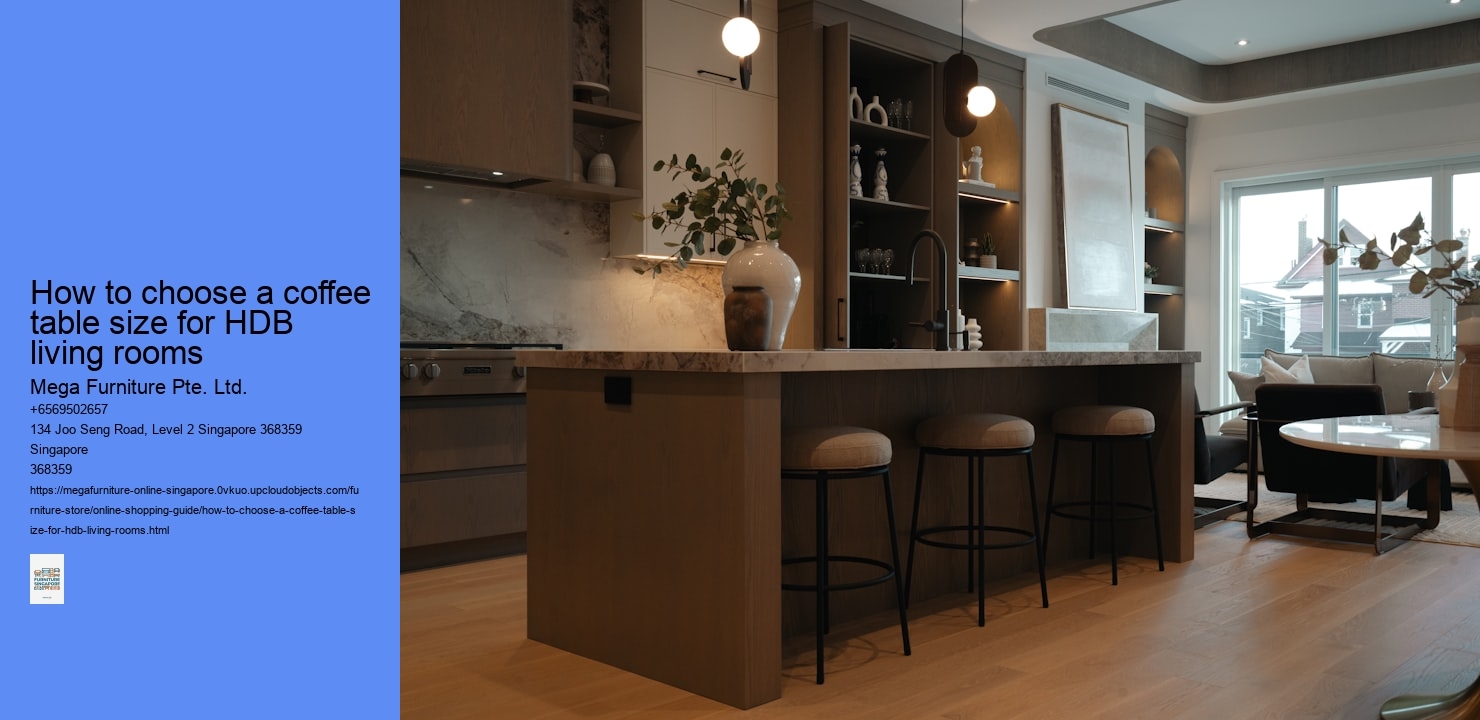
The typical BTO living room is a 12 to 16 square metre rectangle, a space where every centimetre is accounted for long before the first box is unpacked. You can't just drop in any coffee table and hope it fits; the proportions need to be calculated, almost like fitting a key into a very specific lock. Get it right, and the room feels organised and spacious. Get it wrong, and you'll be perpetually nudging past sharp corners, your shins developing a permanent memory of the furniture's edges.
Start with your sofa. For a standard 200-centimetre three-seater, the coffee table length should hit about two-thirds to three-quarters of that span. That translates to a target of 120 to 150 centimetres. This ratio isn't arbitrary—it ensures the table is accessible from either end of the sofa without forcing you to stretch, while leaving vital clearance for walkways. You'll want a consistent 30 to 40 centimetres of breathing room between the table and other pieces, be it the TV console, a sideboard, or an armchair.
That clearance is non-negotiable in HDB layouts, where the living room often doubles as the main thoroughfare to the kitchen or bedrooms. A table that's too long disrupts the flow, creating a bottleneck that frustrates daily movement. Conversely, a tiny table floating in the centre of a larger room looks apologetic and lost, failing its duty as a functional centrepiece. The goal is a piece that commands attention without commanding the entire floor plan.
Material choice here is as much about scale as it is about aesthetics. A solid timber slab in a 140-centimetre length has a substantial, grounded presence that works in a 16 square metre space. For tighter 12 square metre rooms, a glass-top or open metal-frame design can achieve the needed surface area without visual weight, preserving a sense of airiness. An oval shape, in particular, is a clever compromise for narrow layouts; it offers generous surface area while eliminating hazardous corners in tight walkways.
Ultimately, the coffee table is the room's anchor. Its dimensions set the tone for everything else—they dictate how you move, how you entertain, even where you'll naturally place a drink. It's the one piece you'll interact with daily, so its size needs to serve the room's reality, not just its fantasy.
Singapore’s humidity doesn’t just frizz hair—it quietly warps the engineered wood in a coffee table until the corners lift and the surface bubbles. That veneer you loved in the showroom can start to peel within a year in a non-air-conditioned HDB living room, especially with a dehumidifier running constantly. For a table that’s both a design anchor and durable, your material shortlist needs to start with solid, stable options.
Solid teak remains a favourite for good reason; its natural oils resist moisture absorption, making it a reliable choice even in a neighbourhood like Eunos, where sea air adds to the dampness. For a more contemporary centrepiece, sintered stone or marble tops are practically impervious to humidity and offer a cool, sleek surface. Just ensure any stone has a sealed, lacquered finish—that’s non-negotiable for preventing water rings and stains from condensation.
Consider the legs and base, too. Metal frames, whether powder-coated or brushed, won’t warp and are excellent at resisting scratches from a cat’s claws or a dog’s nails. Glass surfaces, while requiring more frequent cleaning, are another smart choice for pet households, as they won’t show fine scratches the way a soft wood finish will. Avoid any table with thin, applied veneers or composite board cores; they’re the first to fail when moisture gets in.
It’s a common mistake to prioritise looks over substance, only to find a warped, scratched table in your 4-room BTO a year later. The right material combination—like a solid teak top on a powder-coated metal frame—handles both the climate and the chaos of daily life. You’ll find a range of suitable options built for these conditions, from classic to modern designs, when you browse the coffee table collection.
" width="100%" height="480">How to choose a coffee table size for HDB living roomsA coffee table’s primary job isn't remote storage—it's visual anchoring. In a 4-room BTO living room, a centrally placed table defines the seating perimeter, pulling sofa, armchairs, and media console into a coherent layout. Its height, typically 40cm, creates a relationship with the 45cm sofa seat; a mismatch makes the space feel disjointed. That anchoring function turns a collection of furniture into a single, intentional zone for conversation or family games. Without it, the room’s centre feels vacant, like a stage without a prop.
Sculptural, irregular shapes—a freeform sintered stone slab or an organic wood burl—serve minimalist layouts where the table is the sole art piece. Rectangular tables, often 120cm long, integrate into compact HDBs by aligning with sofa lines and maximising usable surface. Round tables soften angular rooms and improve circulation in tight spaces. Oval designs offer a compromise, providing flow while accommodating more decorative items along the elongated edges. The shape decision fundamentally alters how people move around and use the room’s core.
Material choice dictates both daily maintenance and the room’s tonal weight. A solid rubberwood table brings warm, natural texture but requires vigilance against humidity stains; sintered stone or tempered glass offers a cool, contemporary look and easy wiping. Marble introduces luxury veining but demands sealing to prevent etching from acidic spills. In many homes, the material becomes the centrepiece’s signature—a glossy metal frame contrasts with a velvet sofa, while an engineered wood finish might harmonise with existing oak flooring.
Consider whether the table will host laptop work sessions, weekend board games, or solely decorative trays. A hard, smooth surface like glass or stone suits laptops and dining; a softer wood top might show scratch marks from frequent use. For families, a lower height around 38cm makes board games accessible from the sofa, while a higher 45cm table better serves as a casual dining spot. The intended activity directly informs the required durability, finish, and even the table’s clearance from the sofa—you’ll need more legroom for frequent laptop use.
Integrated storage—a drawer or shelf beneath—transforms a passive surface into an active organiser for a compact living room. It hides remote controls, magazines, or children’s toys, maintaining the clean, centrepiece aesthetic. That hidden compartment is often the difference between a cluttered surface and a serene focal point. For many homeowners, the choice isn’t between a simple table and a storage table; it’s between adding a separate storage unit later or solving the problem elegantly now. Browse options that balance open display with concealed utility.
A buyer walks into a HDB living room with a tape measure, convinced a 1.5-metre rectangular table is the statement piece they need. They’ve forgotten the sofa is already there, and the 3-metre width leaves just 75 centimetres on each side—a navigational puzzle that turns a centrepiece into a daily obstacle.
That legroom clearance is a frequently overlooked detail. You’ll want about 45 centimetres from your knee to the table edge for comfortable sitting; skimping to 30 centimetres means constantly angling your legs or avoiding the sofa corner altogether. In many four-room BTO layouts, a 120-centimetre table often fits this balance better than the sprawling 150-centimetre showroom model, preserving that crucial breathing space for movement around the room.
Then there’s the final hurdle: actually getting the thing home. For BTO blocks with lift landings, or older flats with tight corridor turns, a large, solid table might simply not make the final turn. It’s a logistical detail best confirmed before purchase, not during a stressful delivery standoff at the void deck. A good rule is to measure your own doorways and the lift interior, then add a 10-centimetre buffer for the movers’ grip.
Material choice is another common trip point, especially with the local preference for light, bright interiors. A white marble or travertine top might look exquisite under showroom lights, but it’s a porous surface waiting for its first coffee or teh tarik spill. The stain sets quickly, and that matte finish won’t hide a thing. Sintered stone or a lacquered solid wood in a light oak finish offer a similar aesthetic with far more resilience against daily life—a practical trade-off that saves the constant anxiety.
The photos online tell you it’s a warm oak finish, but your phone screen’s blue light filter has a different opinion. Lighting in a 4-room BTO can be unforgiving, especially with the afternoon sun blasting through your west-facing window in Jurong West; that ‘warm oak’ might read as stark yellow, or worse, a flat beige that clashes with your existing teak TV console. A showroom visit solves this instantly. Megafurniture’s lighting, whether at their Joo Seng or Tampines locations, approximates the flat, bright white of Singaporean living rooms better than any online gallery can. You’ll see the true grain pattern on a solid rubberwood piece, or spot the subtle texture—or lack thereof—on a laminate meant to mimic marble. This physical inspection is non-negotiable for joint stability and material heft. Run a hand along the edge of a sintered stone top to feel if the seaming is smooth. Press down on a corner of a wooden table and listen for creaks—a quiet test you can’t perform on a webpage. The advertised weight and sturdiness become tangible; a coffee table that wobbles under a light push in a controlled showroom environment won’t magically steady itself on your slightly uneven HDB living room floor. Singapore-specific sizing is another key reason to visit. A 150cm-long rectangular table might look perfectly proportioned online, but in a compact living room layout, it can dominate the space and obstruct walkways to the balcony. Seeing the actual footprint, and how it relates to standard three-seater sofa dimensions, prevents buyer’s remorse. You can verify if the 42cm height truly aligns with your sofa seat, ensuring a comfortable reach for a cup of tea. Beyond specs, you’re assessing character. A coffee table often becomes the room’s centrepiece, so its finish needs to hold up under scrutiny from three metres away. Does the metal base have a cheap, brushed look, or a proper powder-coated sheen? Is the glass tinted green or truly clear? These details disappear in marketing shots. One afternoon spent touching materials and judging hues in person saves weeks of logistical headache arranging a return. For the full range of options, from compact round tables for smaller layouts to larger statement pieces, it’s worth browsing
Megafurniture's collectionwith your specific room dimensions in hand. Then, make the trip. You’ll leave either confirmed in your choice, or grateful you didn’t commit to a colour that only exists in a digital asset.
The coffee table that arrives without a scratch is the one that didn’t have to navigate the tight stairwell of a pre-1990 HDB block. In many older estates, delivery crews will typically carry your purchase to the doorstep — but the final flight of stairs, especially in point blocks or maisonettes, often incurs an extra charge. It’s a detail worth confirming before the truck arrives; you’ll want to know if the quoted fee covers what Singaporeans call “upstair service” or stops at the void deck.
Assembly, for a solid wood or stone piece, is rarely a one-person job. While some engineered wood tables come flat-packed for DIY, many statement centrepieces are delivered semi-assembled, requiring two people to safely join the top to its base. That’s not just about weight; it’s about aligning a heavy sintered stone slab perfectly over delicate metal legs without chipping a corner. If you’re ordering solo, schedule the delivery for when a friend or family member can be around — it’s a fifteen-minute task that’s frustratingly impossible alone.
The real test for a coffee table in our climate isn’t assembly, but the slow warp of engineered wood or the swelling of solid timber joints in relentless humidity. Most warranties cover manufacturing defects for a year, but they often explicitly exclude moisture-related damage; that slight bowing in the tabletop after a particularly wet monsoon season is usually considered an environmental issue, not a faulty one. For peace of mind, look for retailers who specify coverage for material integrity, regardless of our local weather.
Logistics matter, too. Some retailers add a weekend or public holiday surcharge for delivery, a common practice that can add $30 to $50 to your bill. The practical advice is to schedule the table’s arrival *after* your sofa is in place — you’ll avoid the awkward shuffle of heavy furniture in a confined space and get the proportions right on the first try. A well-timed delivery turns a logistical chore into the final, satisfying step of pulling the room together.
A perfectly sized sofa often leaves buyers staring at an empty patch of floor, wondering what to put in front of it. That’s when the real questions start, usually about navigating the practicalities of a specific HDB layout.
Can a round coffee table work in a rectangular HDB living room? Absolutely — in fact, it’s often the better choice. A round or oval table softens the sharp lines of a typical rectangular layout, creating a more organic flow in a space that’s already full of right angles. It also eliminates hazardous corners in narrow walkways between the sofa and the TV console, a common pinch-point in 4-room BTOs.
What height should you pair with a low-seat sofa? Match the table height to the sofa seat cushion, or go two to five centimetres lower. This keeps everything within easy reach from a seated position; you shouldn’t have to strain upwards for your coffee or remote. That 38cm to 45cm standard range still applies, but always measure your own sofa first — a deep, sunken modular seat can throw the whole proportion off.
Is tempered glass safe with kids? Tempered glass is the required safety standard, but the edges are just as important. Specify rounded, polished edges over sharp, mitred corners. The material’s sheer, easy-to-clean surface is a practical bonus for families, though it does show every fingerprint and water ring.
Material choice then becomes the final filter. A sintered stone top handles spills from homework sessions, while a solid rubberwood table offers a warmer counterpoint to a cool-toned sectional. The goal is a centrepiece that fits both your room’s dimensions and your daily life.
That last-minute tape measure scramble in the showroom aisle is almost a Singaporean rite of passage. It’s also where most buyers get it wrong, measuring the table but not the space it’ll live in. The only measurement that matters is the one you take at home, after the sofa’s in place.
Start by taping out the table’s exact footprint on your living room floor using masking tape. That visual block makes abstract dimensions concrete—you’ll instantly see if it crowds the walkway to the balcony or blocks a cabinet door. Next, verify the clearance to your TV console; you need a minimum of 60cm for comfortable legroom and to avoid that perpetually cramped feel. Don’t just measure for the present layout, either. Account for a future recliner chair or a large ottoman you might add later; that generous 120cm round table can become a navigation hazard overnight.
In many resale flats, especially those with irregular bomb shelter walls or awkwardly placed columns, the standard rectangular table is often the worst choice. Its sharp corners become shin-bashing liabilities in tight turning radii. An oval table, typically around 110cm to 140cm long, can navigate these corners far more gracefully—its curved sides offer a visual softness and physical forgiveness that a rectangle simply can’t match.
Consider the material’s practical footprint, too. A chunky solid wood piece in dark oak feels substantial, but its visual weight can shrink a 4-room BTO living room. A sintered stone top on a slender metal frame, conversely, occupies the same floor area but feels airier, an important trick for maintaining a sense of space. This is where browsing a physical showroom pays off; you can gauge how a material’s presence translates from a 2D online image to your 12 sqm floor plan.
Finally, live with the taped outline for a day. Walk your usual routes, pretend to set down a drink, see if the kids’ play area is still intact. That’s the real test—the coffee table shouldn’t be an obstacle, but the centrepiece that organises the room around it.
Begin by measuring the length of your main sofa. A good rule is to select a coffee table that is roughly two-thirds of this length. This proportion ensures the table is accessible from all seating without dominating the room. It creates a balanced visual anchor for your furniture arrangement.
Ensure there is at least 30-45cm of space between the coffee table and your sofa or chairs. This clearance allows for comfortable legroom and easy movement around the table. In a compact HDB layout, this distance is crucial for maintaining an open feel. Proper spacing prevents the living area from feeling cramped or cluttered.
The shape of your coffee table should complement your seating configuration. A rectangular or oval table often works well parallel to a standard sofa. For sectional or L-shaped seating, a square or round table can improve traffic flow. The right shape enhances both function and the cohesive look of your centrepiece.
The coffee table should also relate to the overall room size, not just the sofa. In an HDB living room, avoid a table so large it obstructs pathways to the balcony or hallway. A well-scaled table leaves ample walking space around the perimeter. This final check ensures your design centrepiece fits harmoniously within the entire space.