
You’ve chosen your sofa, and now you’re eyeing that sculptural marble piece you saw online. Before you commit, grab a tape measure. The fantasy of a statement coffee table often crashes into the reality of a 14 sqm resale HDB living room; you might find you’re budgeting for flow, not just materials.
Standard four-room BTO layouts offer a relatively generous 16 to 20 square metres for the living area, but many compact condos and older resale flats run tighter, at 12 to 15 square metres. That difference is everything—it’s the space between a comfortable walkway and a shin-bruising obstacle course. After placing your sofa, measure the remaining floor space with ruthless precision. A clearance of 45 to 60 centimetres around the table isn’t a luxury; it’s the non-negotiable minimum for someone to pass through without turning sideways.
This arithmetic dictates your table’s footprint more than any design trend. A long, 150-centimetre rectangular table might suit a spacious BTO layout, but in a compact condo, an oval or round design around 90 centimetres wide often works better—the lack of sharp corners preserves precious circulation space. The current vogue for irregular, organic shapes is tempting, but their sprawling profiles can dominate a room; in a 12 sqm space, a simple plinth might actually feel more substantial.
Material choice then becomes a practical filter. A solid teak rectangle is a classic, but its heft can visually anchor a small room. Conversely, a glass-top table with a slim metal frame offers that visual lightness many compact living rooms crave. Remember, the typical coffee table height here is 38 to 45 centimetres, which should align with your sofa seat height for comfortable use. Ultimately, your ideal table isn’t the one you love in isolation, but the one that leaves enough room for a tray of kopi-o to be carried safely from the kitchen.
A pet’s wet nose against a table leg or a toddler’s sticky fingers aren’t the real threats in a Singapore home — it’s the constant 80% humidity working its way into the joinery. That invisible moisture warps engineered wood veneers within months, leaving a once-sleek coffee table with bubbling edges and a permanent wobble. Solid teak or acacia woods, dense and naturally oily, handle this climate far better; they’re forgiving of the occasional spilled drink and won’t swell dramatically with the seasonal damp.
Glass tables offer a clean, modern look that suits many condo layouts, but they’re a practical nightmare with pets. Every paw print and smudge shows instantly, turning your centrepiece into a daily chore. More critically, the surface is a magnet for scratches from dog claws or a cat’s enthusiastic leap — those fine, white marks are permanent under normal light.
For families with young children, raw metal edges are a genuine hazard on a low-slung coffee table. A toddler’s stumble can result in a nasty gash. Opt instead for metal with a fully rounded, powder-coated finish; it’s safer and also resists the rust that plain steel can develop in our humid air.
The most resilient choice for a high-traffic, pet-friendly living room is often sintered stone. It’s non-porous, so red wine or coffee spills wipe right off without staining, and humidity has zero effect on its stability. You’ll pay more upfront, but it’s the one material that genuinely laughs off both claws and condensation. For a curated selection of tables in these durable materials, you can browse the coffee table options at Megafurniture. Ultimately, your choice here isn’t just about style — it’s a bet against Singapore’s climate and your household’s chaos.
Place your coffee table centrally to anchor the living area and create a clear traffic path around it. This prevents bottlenecks and defines a dedicated conversation zone. Ensure at least 18 inches of clearance between the table and surrounding sofas for easy movement. A central table acts as a functional hub without disrupting the room's natural flow.
Select a table proportional to your condo's square footage to avoid overcrowding. A table too large will obstruct pathways, while one too small fails to serve its purpose. The ideal height should be level with or slightly below the seat cushions of your sofa. This maintains visual balance and allows for comfortable use from all seating.
Opt for a table with ample, clear surface area to hold essentials without constant clutter. This open top encourages use while keeping walkways clear of floor-level obstacles. Integrated storage like a lower shelf can hide remotes and magazines. A clean surface is key to maintaining an airy, spacious feel in a compact condo.
Choose a table with soft, rounded edges or an oval shape to enhance safety in tight spaces. Sharp corners can snag clothing or become hazards in narrow walking lanes. This design choice subtly guides movement around the furniture piece. It contributes to a smoother, more intuitive flow within the condensed floor plan.
Consider tables with glass tops or open bases to reduce visual heaviness. A lighter visual profile makes the space feel less crowded and more open. This allows sightlines to extend, making the entire area appear larger. The right material choice can optimize perception of space without sacrificing utility.
In a 20 sqm condo living room, buyer's first instinct is often a long, rectangular coffee table. It's a logical pairing for the standard three-seater sofa, creating a clean, parallel line that visually anchors the space. That 120cm to 150cm length provides ample surface for multiple drinks, a tray, and a decorative object without feeling cluttered. It’s a safe, functional choice that organises the centre of the room into a distinct zone, especially in open-plan layouts where the living area needs definition. Just ensure there’s still about 45cm of clear walkway between the table and any opposing media console or armchair.
For tighter 12 sqm layouts, a round or oval shape is less of an aesthetic preference and more of a traffic solution. Sharp corners become hip-bruising obstacles in confined spaces; a 90cm diameter round table eliminates that hazard entirely. It improves flow from the sofa to the balcony or dining area, which in many compact condos is just a few steps away. You’ll sacrifice some linear surface area, but you gain a softer, more sociable centrepiece that doesn’t dictate one specific seating orientation.
That standard 38cm to 42cm height range isn't arbitrary—it’s engineered to match the typical seat height of sofas sold here. A table that’s too low forces you to hunch over to retrieve a cup; one that’s too high looks awkward and disrupts sigh lines. In practice, a 40cm tabletop sits just slightly below sofa arm level, creating a comfortable plane for resting an arm or reaching for the remote. It’s a small dimensional detail that has an outsized impact on daily usability, and it’s why so many local offerings cluster within this band.
Choosing a shape is one thing, but scaling it correctly is another. A common misstep is selecting a round table that’s too small for the sofa, leaving a awkward gap in the centre of the conversation area. The table’s surface area should generally be about two-thirds the length of your sofa seat for visual balance. In a narrow room, you might even opt for an oval that’s longer than it is wide, which gives you that extended surface without protruding into the walkway. It’s a spatial maths problem where a few centimetres make all the difference.
Once the functional dimensions are locked in, that’s when you can consider an irregular, organic shape. A free-form sintered stone piece or an asymmetrical wood slab can become the room’s focal point, diverting attention from a less-than-ideal floor plan. These tables often play with negative space or unusual bases, which can actually aid circulation by being visually lighter. They’re a deliberate design choice for the homeowner who’s already solved for flow and now wants a centrepiece with character—something that doesn’t just hold your coffee but actually starts a conversation.
" width="100%" height="480">Coffee table placement audit: optimizing flow in your condoA 150cm coffee table looks magnificent in a Tampines showroom, set against a vast, minimalist backdrop. In a 14 sqm condo living room, it becomes an immovable island that dictates a single, awkward walking path to the balcony door. Buyers often forget to account for dining table proximity in open-plan layouts; a large coffee table paired with a six-seater dining set can make the entire living-dining area feel like a showroom obstacle course.
Ignoring storage needs is a frequent oversight, especially with today’s array of streaming devices. A sleek, sculptural table might not accommodate a universal remote, game controllers, or a stack of magazines, leaving them to clutter the tabletop or sofa arms. In many homes, a table with a discreet shelf or a drawer becomes the organiser for the living room’s digital paraphernalia.
Another common misstep is prioritising marble’s visual drama over its practical demands. A honed Carrara top is a favourite centrepiece, but in a household with young kids or a penchant for red wine, it’s a high-maintenance commitment. Acidic spills etch, water rings stain, and the stone requires regular sealing—realities that are easy to ignore under the perfect gallery lighting of a Joo Seng showroom.
The best choice often involves a compromise between statement and sensibility. For smaller spaces, a 90–110cm oval table improves flow, while a sintered stone surface offers a similar luxe look with far greater resistance to heat and stains. For those who need to corral their remotes, browsing the options at Megafurniture’s collection reveals designs that incorporate hidden storage without sacrificing style.

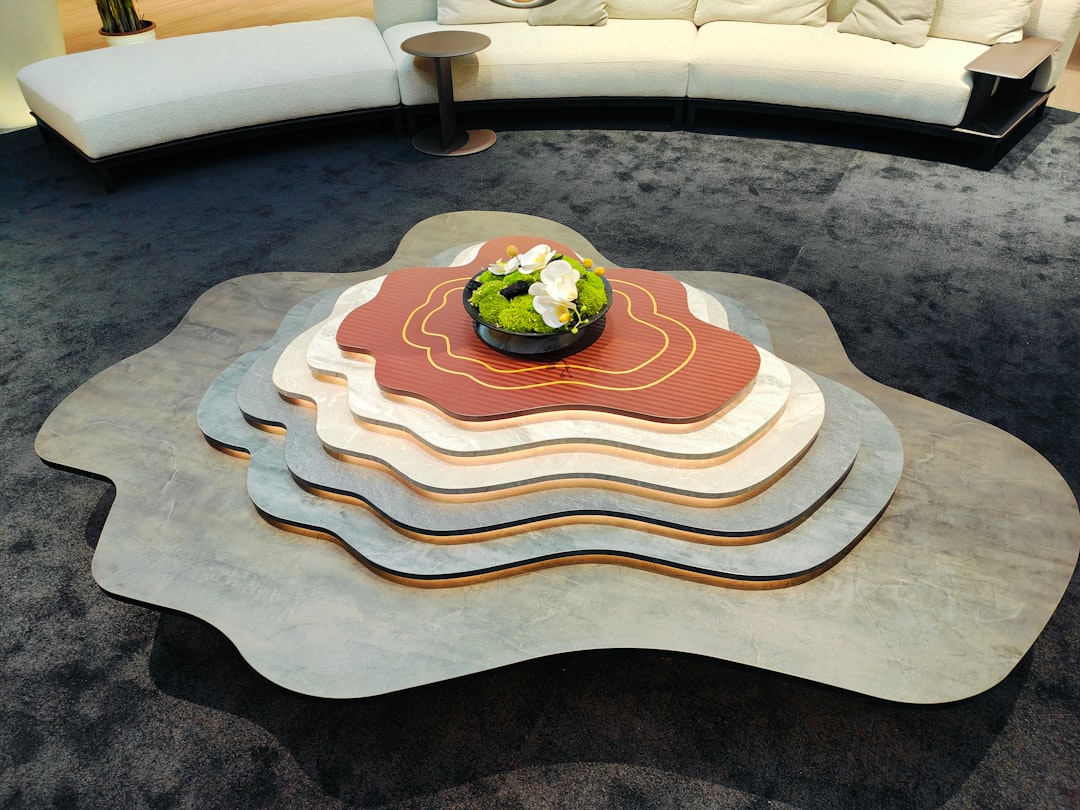

A sintered stone finish can look like cool marble in a showroom photo, then turn into a glaring, sterile surface under the afternoon sun in your Tampines condo. That’s the kind of detail you only catch in person. At Megafurniture’s Joo Seng and Tampines showrooms, tables are staged in complete room settings—you’re not just looking at a standalone product, you’re seeing how a 120cm oval design actually interrupts the flow from your sofa to the balcony door.
You can assess material quality in a way online galleries simply don’t allow. Run a hand over the engineered wood veneer on a storage coffee table; the difference between a thin, plasticky laminate and a substantial, textured finish is immediately apparent. Test the drawer mechanism yourself—a soft-close runner should feel silent and weighted, not just a marketing claim. For many buyers, that hands-on verification stops a regrettable purchase before it’s even loaded into the delivery van.
Singapore’s specific light, from the harsh midday glare to the warm tones of evening downlights, plays havoc with material appearances. A light oak finish might look perfectly neutral online, but in the showroom under calibrated lighting similar to a typical HDB living room, you might notice unwanted yellow or pink undertones. It’s the same for glass thickness and metal accents—what seems substantial in a close-up shot can feel disappointingly insubstantial when you see it in context.
This pre-commitment scrutiny is critical for a centrepiece item. You’ll live with this table daily, placing your coffee on it, resting your feet on it, and constantly viewing it from every angle in your limited space. Spending twenty minutes in a showroom to judge proportions and finish resilience under light can save you the hassle and cost of a return. It turns a speculative buy into an informed decision. You can start that assessment by browsing the options at Megafurniture’s collection and then planning a visit—because a coffee table that looks good on a screen can feel all wrong in your home.
That coffee table you spent weeks choosing online won’t be much use if it can’t get past your lift landing. Many HDB and older condo blocks have lift lobbies under 120cm wide — a tight squeeze for a large, flat-packed rectangular crate or a fully-assembled sculptural piece. Delivery crews are adept at the pivot-and-tilt, but buyer confirmation of lift and stairwell dimensions is the step most often skipped; it’s the difference between a smooth delivery and a costly, frustrating return before the table even sees your living room.
Assembly is another checkpoint. A simple four-leg solid wood table might be a five-minute job. Complex designs with integrated storage, irregular shapes, or mixed materials like metal and sintered stone often require professional fitting to ensure stability — wobble isn’t a feature. Retailers typically note if assembly service is included or available for an extra fee; for anything beyond basic legs, it’s wise to confirm. That sleek, cantilevered glass table might look effortless in the showroom, but its installation rarely is.
Then there’s the warranty, a document that matters intensely here. Singapore’s consistent 80% humidity acts as a stress test for materials and joinery. Laminates can bubble, engineered wood can swell at the seams, and poorly sealed metal legs may show premature corrosion. A robust warranty should explicitly cover these material defects for a clear period, not just structural collapse. Look for terms that mention protection against warping or delamination in humid climates; many warranties quietly exclude these as ‘environmental factors’, which in our context is everything.
It’s a common oversight to file away the warranty card after unboxing. Keep it accessible. The first signs of a material issue — a slight bow in the tabletop, a finish that feels tacky — often appear within the first 18 months, well within standard coverage. A photo and a dated email to the retailer at that point is far more effective than a complaint two years later when the problem is obvious but the coverage has lapsed.
Ultimately, the coffee table is a centrepiece you interact with daily. Its journey from warehouse to living room, and its resilience against our climate, are as much a part of the purchase as its design.
The most revealing questions from Singaporean buyers aren't about style—they're about the small, practical anxieties that keep them up at night. Here are the real ones we hear.
Can a coffee table be too small? Absolutely, especially in a condo living room that stretches past 18 sqm. A tiny table adrift in a large space looks accidental, not curated; it'll force you to stretch for your kopi and leave remote controls perpetually out of reach.
Is rattan suitable for our air-conditioned environment? It's a risk. The constant dry, cold air can leach moisture from natural cane or rattan, leading to brittleness and cracks over a few seasons. For that breezy resort look without the maintenance, consider a powder-coated metal frame with woven texture.
What's the best shape for an L-shaped sofa? A square or round table often works better than a long rectangle. It nestles into the corner of the 'L', creating a more intimate conversation zone and preventing that awkward corridor feel. Just ensure there's still about 40cm of walkway between the table and the sofa's open end.
Glass top with kids? Tempered glass is mandatory, but it's still a hard, cold surface at shin height. If you love the light, airy look, a sintered stone or high-gloss laminate in a pale finish can give a similar reflective quality without the same visceral wince every time a toddler runs past.
You’ve found the perfect coffee table — sculptural, solid wood, exactly your style. Don’t buy it yet. First, mark its footprint on your floor with painter’s tape. That 120cm length looks manageable online, but in a 4-room BTO living room, it might block the path to the balcony door or force you to sidestep the TV console every time. This isn’t about aesthetics; it’s about physics. You’ll live with the obstruction daily, not the catalogue photo.
For many condos, the real luxury is empty floor space. A table should anchor the seating area, not dominate it. Leave at least 60cm of clear walkway around it; that’s the typical width needed for comfortable passage, even with a laundry basket in hand. An oval or round design, around 100cm in diameter, often works better in tight layouts — no sharp corners to catch a hip on the way to the kitchen.
Multifunctional designs are a practical necessity, not just a trend. Consider a lift-top model in engineered wood for hidden storage, or a unit with a shelf or drawers. That’s where remotes, board games, or a throw blanket go, clearing your sofa and maintaining a visual calm. In a compact home, every piece must earn its keep.
Material choice matters here, too. A glass top or slim metal frame can maintain sightlines and make a space feel larger, while a chunky solid teak block visually fills the room. Think about cleaning as well; a sintered stone surface wipes clean easily, but a textured live-edge slab collects crumbs.
Finally, live with the tape outline for a day. Walk your normal routes, stretch your legs towards it, and see if your robot vacuum can navigate around it. The right table fits your life, not just your living room.