The average four-room BTO living room leaves about 120cm between sofa and TV console. That’s where the coffee table lands, and its footprint is non-negotiable. A 100cm by 60cm rectangle is the typical maximum before shins get bruised and circulation feels cramped; any larger, and you’re sacrificing the sense of space that makes a compact layout feel liveable. It’s a precise calculation, balancing surface area for a few mugs and a magazine against the room’s need to breathe.
Singapore’s humidity, which lingers above 80% for much of the year, is an invisible but relentless force in this equation. It warps untreated solid wood, causes veneers to lift at the edges, and can leave a permanent cloudy bloom on certain glass finishes. That condensation from a cold drink? It pools, and on a porous surface, it’s an invitation for a water stain that won’t wipe away. Material stability isn’t an abstract concern—it’s the difference between a centrepiece that lasts a decade and one that looks tired after a single monsoon season.
This environment pushes buyers toward specific choices. Engineered wood with a robust, sealed laminate top often outperforms solid teak in a non-air-conditioned space. Sintered stone or tempered glass resists moisture completely, though they trade that practicality for a cooler, harder aesthetic. The finish, then, becomes the critical layer of defence; a high-performance lacquer or a quality oil-based polyurethane is what stands between the table and the damp air.
You’ll see the consequences in many resale flats—a coffee table with swollen drawer joints that stick, or a once-glossy top now dulled by moisture. It’s a quiet lesson in buying for the climate you actually have, not the one in a catalogue shoot. For those navigating these constraints, the options at Megafurniture’s collection offer a range of solutions scaled for local rooms.
A cold mug left from supper can leave a ghostly white ring on a lacquered wood surface overnight — a common casualty in Singapore’s humid climate. That’s why stain resistance isn’t just about spills; it’s about a finish that shrugs off moisture without clouding. Prioritise sealed surfaces: sintered stone or quartz composite tops handle condensation and coffee drips with a wipe, while a properly treated ceramic coating over engineered wood offers similar protection. Laminated MDF often disappoints here, as its edges can swell over time with repeated exposure.
Heat tolerance runs a close second. Consider the trajectory from kitchen to sofa — a hot takeaway container or fresh tea pot will likely land directly on the table. Materials like tempered glass, solid marble, or sintered stone won’t blister or discolour under sudden temperature changes. Some lacquered wood or cheaper veneers, however, can develop permanent haze marks from a single careless placement; it’s a risk in homes where the coffee table doubles as an informal dining surface.
For scratch resistance, think beyond decor. A medium-sized dog’s claws or a child’s toy car can mar a soft wood finish in an instant. Engineered wood with a textured grain or a brushed metal finish will hide minor abrasions better than a high-gloss piano lacquer. Many buyers overlook this, choosing a delicate finish for a statement piece only to find it etched by daily life within months.
Table height and clearance are non-negotiable in our compact layouts. The typical 38–45cm height range should align with your sofa seat height; you shouldn’t have to reach down or up awkwardly to set a drink. In narrow walkways common to 4-room BTO layouts, a round or oval table under 100cm wide ensures easier passage — a rectangular one with sharp corners becomes a shin hazard. And with open-plan designs merging living and dining zones, a table that’s too tall can visually block sightlines and make the space feel cluttered.
Solid teak remains a benchmark for coastal humidity, its natural oils repelling moisture and insects with minimal maintenance. A genuine teak coffee table in a Tampines condo can handle decades of condensation from air-conditioning and the occasional spilled iced tea without warping. You'll pay for that resilience, with prices typically starting around $1,200 for a simple design, but it's a buy-once material. The key signal is weight and uniform grain; cheaper "teak-finished" pieces often use rubberwood with a thin veneer, which won't age the same way. Over years, solid teak develops a silvery patina that many find desirable, though it can be oiled back to a golden hue if you prefer.
Engineered wood with a melamine laminate offers a compelling budget alternative, especially for design-conscious shoppers in a 4-room BTO. The compressed wood core provides stability against Singapore's humidity swings, while the plastic laminate seals the surface against stains and scratches. It won't develop character like solid wood, but it won't swell or crack either, which is a fair trade for a $400-$600 centrepiece. The critical check is for thick, fully sealed edges; thin or peeling laminate on the tabletop's perimeter is the first point of failure, allowing moisture to infiltrate the core.
For stone tops, the debate centres on porosity and acid resistance—a real concern with citrus drinks or vinegar-based cleaners. Natural marble is stunning but famously porous; a spilled lime cordial can etch a permanent dull spot if not wiped instantly. Sintered stone, an engineered material, is virtually non-porous and highly resistant to acids and heat, making it a pragmatic choice for busy living rooms. While marble carries a classic prestige, sintered stone's practicality in a humid, high-use environment often wins out, especially since both can land in a similar mid-range price bracket for a standard rectangular table.
Edge banding and joint construction are the hidden indicators of a table's fight against humidity. Look for tight, seamless mitred corners or dowelled joints rather than simple butt joints held only by staples. Thick, durable edge banding on engineered tables should feel smooth and solid to the touch, with no gaps or raised sections. A poorly constructed joint will loosen over months as the wood expands and contracts, leading to a wobbly table that betrays its price point. It's a detail often overlooked on a showroom floor, but it's the skeleton of the piece.
Recognising a quality wood veneer from a cheap printed film is about texture and pattern repetition. A real wood veneer will have natural grain variation, subtle colour shifts, and a tactile surface you can feel the grain on. Printed films, often used on very low-cost tables, have a flat, plasticky feel and repeating patterns that become obvious across a larger surface. A good veneer over a stable plywood core is a smart compromise, offering the beauty of wood grain without the cost or movement concerns of a solid slab. Just run your hand across it; if it feels perfectly uniform and synthetic, that's what you're buying.

A buyer chooses a marble-topped coffee table for its cool, elegant look, only to find a permanent tea ring staining its surface within a month. It's a common scene in Singaporean living rooms, where the gap between showroom appeal and daily reality is often a matter of overlooked practicalities.
One frequent misstep is prioritising a bold visual trend over wipe-down practicality. A heavily textured, sculptural table might anchor the room's aesthetic, but those crevices become dust and crumb traps in a 4-room BTO living room where snacks are routine. The choice often comes down to a simple question: is this a statement piece you'll admire from afar, or a functional surface you'll actually use? For many, a smooth, non-porous finish on sintered stone or sealed glass proves more forgiving than raw wood or porous marble that hasn't been properly sealed.
Finally, there's a tendency to take material claims at face value. "Water-resistant" can mean anything from withstanding occasional condensation to surviving a daily coffee spill. A laminate finish might repel a quick wipe, but a toddler's prolonged juice puddle will seep through the seams. For Singapore's humidity and casual dining habits, the finish needs to withstand more than just ambient moisture; it needs to handle life's minor accidents without leaving a mark.
Another oversight involves dimensions beyond the table itself. In compact layouts, especially in older walk-up apartments or condos with narrow lifts, buyers fixate on the table's footprint but forget about delivery access. A 150cm-long solid wood piece might fit the living room, but it's useless if it can't navigate the staircase's 90-degree turn or a lift door measuring under 80cm wide. Always confirm the item's packed dimensions and your building's access points before committing—that "staircase clause" in delivery terms is there for a reason.
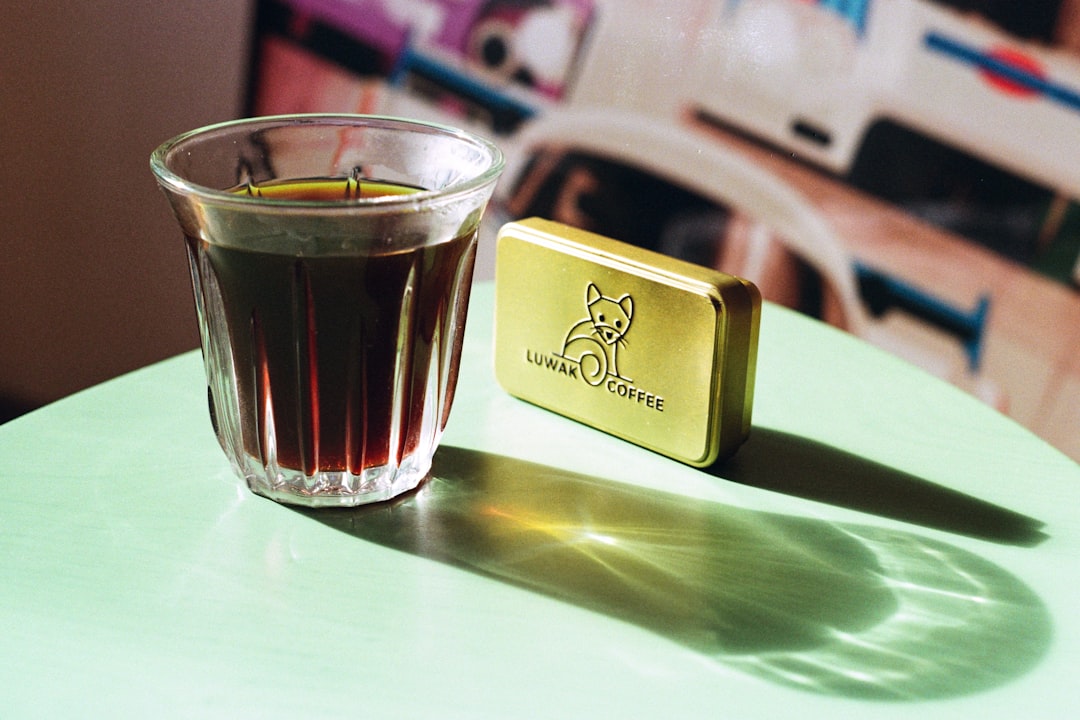
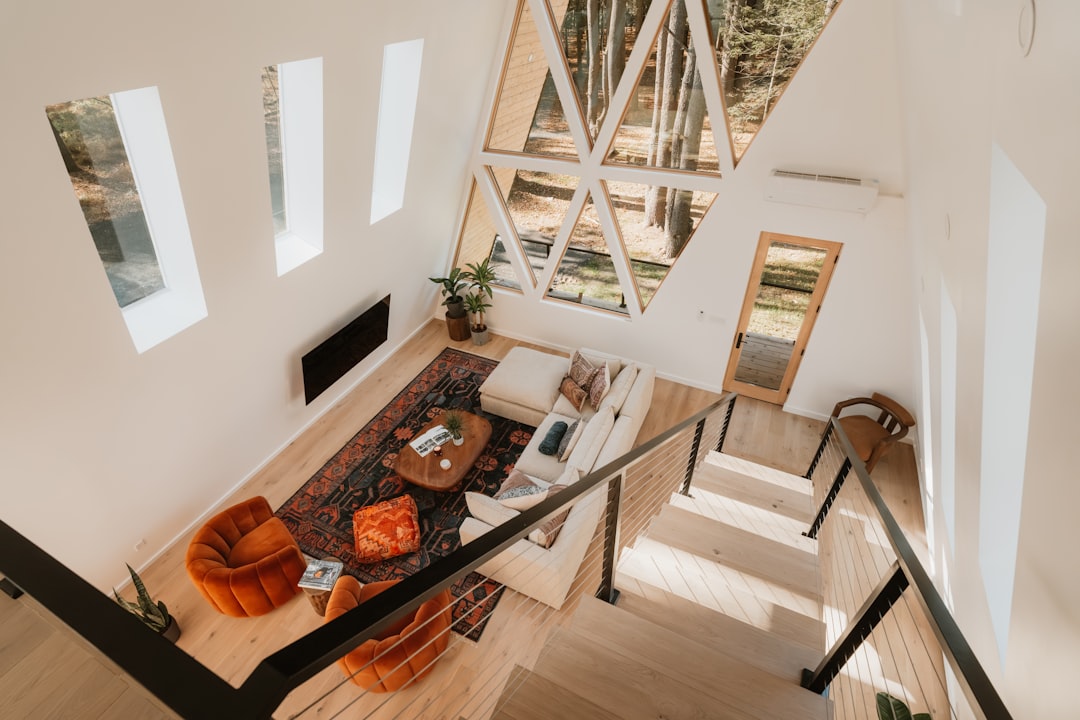

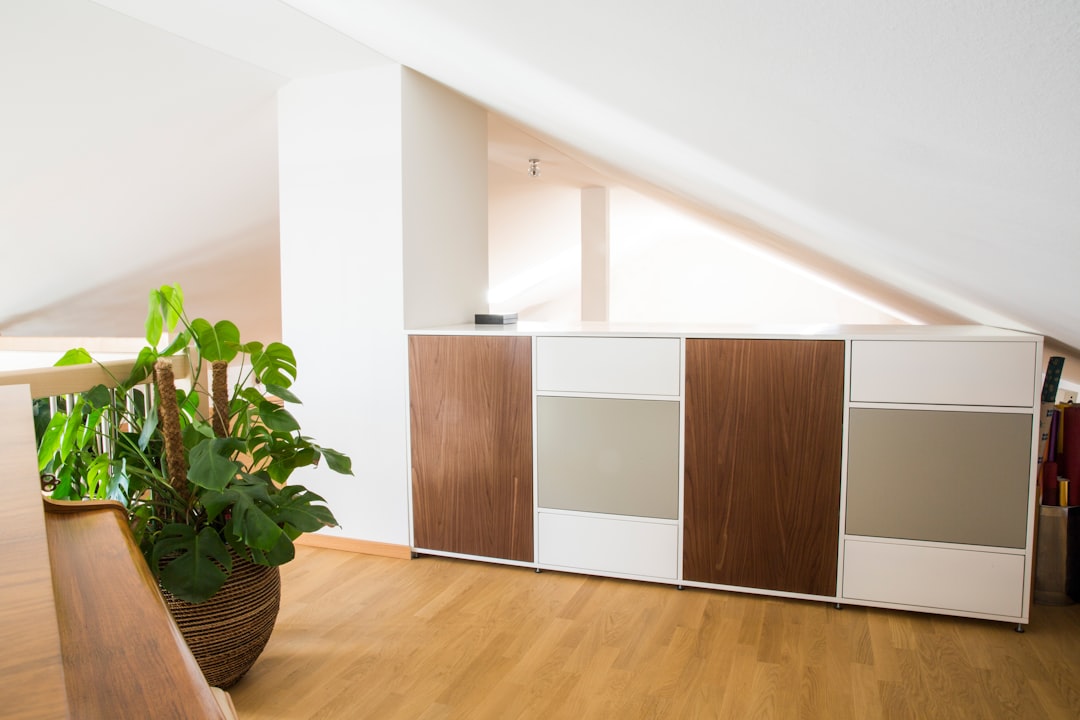
A coffee table's finish looks pristine online, but it's the first three months of real life that test it—a splash of kopi-o from a distracted guest, a stray drop of dark soy sauce during a hurried dinner. You can't gauge a lacquer's resistance from a product photo; you need to stand over it, press a damp cloth to a sample, and watch how a sintered stone surface shrugs off a curry stain that would ghost a light oak veneer. That's the core reason to visit a physical showroom: to conduct your own, admittedly informal, stain audit before you commit. Scale is another dimension that screens distort. A 120cm rectangular table might seem modest in a listing, but in a compact 4-room BTO living room, it can dominate the space between your three-seater sofa and TV console. Laying out the exact dimensions with tape on your floor at home is one thing; standing beside the actual piece, with its full height and heft, lets you judge clearance for knees and whether a 90cm round option would actually improve circulation. It’s the difference between furniture that fits and furniture that functions. Then there are the details you can't click on. In person, you can inspect the grain matching on a solid rubberwood top, feel the weight of a metal frame, or request a custom finish—perhaps a darker stain or a matte topcoat—and compare physical swatches that aren't available in the online catalogue. You’ll also get to verify the assembly mechanism; a well-designed table with solid bolt fittings and pre-drilled pilot holes suggests stability, while flimsy cam locks often foretell a wobbly future. Finally, there’s the simple act of testing stability with your own hands. Give a leg a firm nudge, place weight on a corner, or gently rock the table to check for any give. It’s a five-second test that reveals more about construction quality than any product description ever could. For the final inspection, you can
browse the full collectionwith the confidence that comes from having touched, tested, and measured the real thing.
The moment you collect your BTO keys, you’ll be bombarded with delivery flyers — but your coffee table’s arrival is often tied to your block’s specific key collection period, which can stretch over weeks. Most retailers, including those with large showrooms, schedule their delivery lorries around these neighbourhood-wide timelines; you might get a slot two to four weeks after your confirmed order, not immediately after you call. It’s a logistical dance that requires some patience, especially if you’re trying to coordinate multiple furniture pieces for that first weekend in your new flat.
For those in older, high-floor HDB units without lift access, the two-man service isn’t just a courtesy — it’s a necessity. A solid wood or marble coffee table can easily exceed 50kg, and navigating narrow stairwells with a bulky, fragile item is a two-person job. Many retailers include this service for ground-floor deliveries, but you’ll typically need to request and confirm it explicitly for walk-ups; there’s often no extra charge, but failing to specify can leave you with a very heavy problem at your void deck.
Once it’s in your living room, the warranty details matter. Singapore’s relentless humidity is the silent enemy of many finishes, and blistering or discoloration isn’t always covered. A standard one-year warranty usually handles manufacturing defects in joints or structure, but surface issues are frequently attributed to ‘environmental factors’ and excluded. The best policies explicitly mention coverage for finish integrity in tropical climates — it’s worth reading the fine print before that first monsoon season hits.
White-glove assembly usually means they’ll uncrate, place, and level the table, even attaching pre-fitted drawers or adjustable feet. What it rarely covers is the disposal of your old table, and if there’s a tricky staircase involved, some retailers might levy a separate staircase charge on top of the delivery fee. It’s a minor point, but one that avoids surprise costs when the delivery team arrives at your Ang Mo Kio walk-up.
In many Singaporean living rooms, the coffee table’s real durability test isn't a spilled kopi-o, but the forgotten wet tissue left overnight after wiping down the surfaces. That damp patch, often on a lacquered or veneered surface, is why material choice matters more than aesthetics alone.
Can a table withstand a wet tissue left overnight? It depends entirely on the top’s seal. A fully sealed polyurethane or ceramic coating on solid wood will typically shrug it off with no mark, while an oil-finished teak or rubberwood will likely show a water ring. For engineered wood with a thin veneer, prolonged moisture can cause the veneer to bubble or delaminate—so that’s a habit to break.
What’s the difference between ceramic coating and polyurethane? Both are liquid-applied protective topcoats, but they cure differently. Polyurethane, a workhorse resin, builds a thick, plastic-like layer that’s highly scratch-resistant but can yellow slightly over years. A nano-ceramic coating, often marketed for sintered stone or marble, cures into an extremely hard, chemically resistant layer that repels stains better; it’s also more UV-stable, which matters for tables near balcony doors in Bedok or Marine Parade units.
Is it suitable for a household with toddlers and elderly? Look for rounded corners, a stable base that won’t tip, and a top that doesn’t require babying. Sintered stone or thick glass won’t stain from crayons or medicine spills, and a robust metal frame won’t wobble when someone leans on it. Avoid sharp, sculptural metal edges and delicate natural stone that etches from citrus or vinegar.
How do you maintain the finish with weekly antiseptic wipes? First, check if your wipes contain alcohol or bleach, as these can degrade certain finishes over time. For polyurethane, a damp cloth is better, but most sealed surfaces can handle a quick wipedown. For oil-finished wood, you’ll need to re-oil the top every few months to maintain its barrier—antiseptic wipes will strip that protection away, leaving the wood vulnerable. The simplest rule is to match your cleaning ritual to your table’s finish, not the other way around.
The stain test video looks convincing, but you’ll need to replicate it at home with your own kopi-o and chilli sauce. That’s the only way to know if a finish’s promise holds up against real Singaporean life, where a coffee table is a landing pad for everything from wet glasses to oily supper plates. Before you commit, run your own quick test on a sample or discreet corner—water-based stains should bead, not absorb.
Next, grab a tape measure. The standard clearance of 30–45cm between sofa seat and tabletop is a guideline, not a rule; in many 4-room BTO layouts, a 120cm-long table might leave no walkway at all. Verify your exact clearance, then cross-reference it with the table’s primary duty. A lower, sculptural stone piece might be perfect for decorative display in a condo living room, but it’s a backache for daily dining if you’re regularly eating supper off it.
Don’t let the delivery date become an afterthought. Alignment with your renovation schedule is critical—a table arriving two weeks early has nowhere to go in a flat filled with wet paint and drop cloths. Confirm the timeline in writing and factor in lead times for imported pieces, which can stretch to 10 weeks.
Finally, scrutinise the warranty document for what it actually covers. Many warranties void themselves for “improper cleaning,” which makes your review of finish compatibility with household agents essential. That sleek matte laminate might be destroyed by the common antibacterial sprays we all keep under the sink; a sintered stone top, however, will typically laugh off bleach. This step turns a vague promise into a practical guarantee.
Singapore's average humidity exceeds 80%, making moisture resistance the primary metric. Finishes like conversion varnish or catalyzed lacquer have a high humidity-resistance rating, effectively sealing the wood. This prevents the wood from absorbing moisture, which can cause swelling, warping, or mold. A finish with a low rating, like some oil-based options, will require much more frequent maintenance.
The metric for how long a finish can withstand hot mugs or liquid spills before damage is critical. High-performance polyurethane or epoxy resin finishes offer extended contact time, allowing for quick cleanup without rings or stains. For Singapore's lifestyle of frequent drinks, a short contact time rating leads to permanent blemishes. Testing should simulate common household beverages like coffee, tea, and sugary liquids.
Measured in cycles on a standard Taber test, this quantifies a finish's resistance to scratches from daily use. A finish rated for 500+ cycles is suitable for a high-traffic living room with books, remotes, and decorative items. Lower cycle counts indicate a softer finish that will show scuffs and wear marks more quickly. This metric directly correlates to long-term visual appeal and reduces the need for refinishing.
With strong year-round sunlight, a finish's UV stability index measures its resistance to yellowing or fading. Finishes with UV-inhibiting additives have a high stability index, preserving the natural color of the wood. A low index rating means the tabletop will likely discolor or become dull over time, even through window glass. This metric is key for maintaining the intended aesthetic of light-colored woods.
For indoor use in compact Singapore homes, the Volatile Organic Compound (VOC) content metric is crucial for air quality. Water-based finishes typically have a low VOC rating and a faster cure time, making them practical for quick room re-occupancy. High-VOC finishes require longer cure times and significant ventilation, which can be challenging. Balancing low VOC with high performance metrics is essential for a healthy, durable finish.