A five-room resale flat in Toa Payoh might have a living room that’s 50% larger than a new four-room BTO in Tengah, but the real constraint isn’t floor area — it’s the 1.2-metre-wide corridor from the main door to the kitchen that the coffee table must not block. That’s the Singapore reality: your table’s footprint is dictated by circulation paths, not just sofa size. In a compact BTO living area, a 90cm round table can feel like a traffic island; in a landed lounge, that same piece disappears into the void.
Start with the pinch points. For BTOs, measure the clear walkway left after your sofa is in — often just 800mm to 900mm. A narrow rectangular table, perhaps 120cm long but only 45cm deep, tucks neatly into that zone. Older resale flats bring their own quirks: a column in the middle of the room, or an awkwardly placed bomb shelter door swing, demands an oval or sculptural shape that can be approached from any angle. Condo buyers, meanwhile, should sight from the balcony doors; a low, long table maintains that prized view and sense of flow.
Material choice follows function. In a tight, high-traffic HDB space, a sintered stone top shrugs off spills and scratches from daily life — it’s a practical centrepiece. For a landed home where the living room is more for lounging than crossing, a solid wood or marble table becomes a legitimate art object. The landed-home buyer can indulge in a 150cm-long live-edge slab; the BTO owner needs a table that also offers storage, with a shelf or drawer to keep remotes and magazines off the limited floor space.
Ultimately, the coffee table is the room’s anchor, and its scale should declare its context. A petite, 38cm-high nesting set makes sense for a 30 sqm open-plan area where it might need to be pushed aside for yoga mats or playtime. Wooden coffee tables age better than MDF or laminated alternatives in Singapore homes, particularly oak, walnut, and rubberwood designs that develop richer character through years of daily use. Megafurniture's Wooden Coffee Table collection starts at $187 for compact pieces, rising to mid-tier pricing for solid-oak and walnut-veneer designs. Rustic raw-edge styles, polished contemporary finishes, and Japandi-leaning light-wood variants all feature across the range.. In a spacious lounge, a single substantial piece, around 45cm high and 140cm long, grounds the seating arrangement without appearing lost. It’s less about the style you love and more about the space you’ve actually got — the wrong dimensions will haunt your shins for years.
That condensation ring left by a tumbler on a raw wood surface isn’t just a nuisance — it’s a permanent watermark in our climate. Material resistance trumps aesthetics here; you’ll want surfaces that laugh off 80% humidity and a spilled kopi-o. Engineered wood with a robust laminate or sintered stone are pragmatic favourites, as they won’t warp or stain. For homes with a boisterous terrier or a toddler learning to walk, scratch-proof becomes non-negotiable; a glass top shows every mark, while a textured sintered stone or a treated metal frame hides a multitude of sins.
The other daily hazard is physical. Standard HDB sofa heights sit around 40 to 45 centimetres, which means a typical 38 to 45cm coffee table can create a perfect shin-banging corridor in a compact layout. Factor in the typical walking path from the main door to the bedroom hallway — often a narrow channel between sofa and table. An oval or round table with a softened profile eliminates those sharp, painful corners that seem to magnetically find your leg in the night.
Size and proportion are everything in a 4-room BTO living room. A rectangular table longer than 120 centimetres might dominate the space, forcing you to sidle past it constantly. Instead, consider a nesting set or a compact oval around 90cm long; it provides a surface for drinks without becoming a permanent obstacle. The goal is to centre the piece without letting it commandeer the entire circulation route.
Ultimately, the most stylish marble table is a liability if you’re constantly anxious about it. In many Singapore homes, the coffee table is a workhorse for board game nights, homework sessions, and impromptu meals. Choosing one that can withstand the local environment and your household’s rhythm isn’t about sacrificing style — it’s about selecting a piece you’ll actually use and enjoy, not just gingerly decorate around. Japandi Coffee Table . You can explore a range of durable options suited to these conditions in Megafurniture’s collection.
That dark ring from a forgotten iced coffee glass is practically a rite of passage for solid wood owners. Solid teak, with its high natural oil content, resists such stains better than many timbers — a genuine advantage in a humid climate where condensation pools. It’s a dense, heavy material that can withstand decades of knocks from children’s toys or shifting furniture in a 4-room BTO layout. The patina develops slowly, turning a warm honey-gold, and it can be sanded and refinished multiple times over its life. Just don’t place it in direct afternoon sun from a west-facing window, as even teak will eventually grey and fade.
For a buyer allocating around $1,200 to a new sofa, the coffee table often becomes a compromise. Engineered wood, typically rubberwood cores with veneers or laminates, fits that budget reality perfectly. It offers the visual warmth of wood grain at a fraction of the cost, and modern finishes are surprisingly convincing from a distance. The trade-off is susceptibility to moisture swelling at the edges and an irreparable surface; a deep scratch goes right through the thin top layer. It’s a pragmatic choice for a five-year plan, not a family heirloom.
Sintered stone is the quiet favourite for anyone who actually uses their living room. That morning kopi-o, the evening tea pot, a laptop charger left running — none will leave a thermal shock mark or stain. The material is manufactured under extreme pressure and heat, creating a non-porous surface that laughs at spills. It’s cooler to the touch than real stone and typically comes in thinner slabs, which helps keep the visual weight down in a compact space. You pay for that performance, with prices often starting above $800 for a modest rectangular piece.
A glass-top table, particularly with a clear or lightly tinted finish, performs a minor magic trick in a 12 sqm HDB living room. It disappears sightlines to the floor, making the entire area feel less cluttered and more open, which is why designers love them for narrow layouts. The catch is maintenance; every fingerprint, water spot, and dust particle becomes glaringly obvious under Singapore’s bright downlights. A Japandi coffee table strips the silhouette down to clean lines, light wood tones, and low-profile proportions — clean enough for Japanese minimalism, warm enough for Scandinavian hygge. Megafurniture's Scandinavian Coffee Table collection covers low-slung designs, integrated-storage variants, and natural-fibre accent pieces in oak, ash, and walnut. Most pieces sit deliberately low to balance against the low-profile sofas typical of Japandi living rooms.. Tempered glass is mandatory for safety, adding to the cost, and the surface can develop a fine haze over years of cleaning. It’s a style-first choice for tidy, adult-centric households.
Don’t underestimate the legs — they’re the point of contact with your floor and your shins. Powder-coated metal legs in black or brass are ubiquitous for good reason: they’re slim, strong, and lift heavier tops off the ground for a lighter look. On tile or marble floors, that metal feels distinctly cool against bare feet, a small sensory detail that matters. Opt for a full-wrap coating; cheaper versions with raw edges can develop rust spots in our high humidity, especially near windows or plants. It’s a detail worth checking in person at a showroom, running a finger along the inner weld.
The coffee table ends up as a decorative island, its surface too high for a comfortable reach from the sofa or too low to slide your feet under. That awkward gap, typically between 15 and 25 centimetres, is a classic misstep; you’ll find yourself leaning forward for a drink or constantly adjusting your posture, which defeats the purpose of a living room centrepiece designed for relaxation.
Then there’s the logistical blunder that turns delivery day into a costly headache. Scandinavian coffee tables lean on Nordic design principles — clean lines, neutral palettes, light wood finishes, and natural upholstery materials around the broader living-room context. Megafurniture's Furniture Singapore range features oak and walnut with MDF veneer finishes, sized for compact HDB and condominium living rooms. The pieces pair especially well with light-wood floors and white-walled interior schemes.. You’ve measured the table’s dimensions, but you forgot to check the lift’s diagonal clearance or the width of your service yard gate. A beautifully crafted 150-centimetre solid wood slab might fit in your living room plan, but if it can’t navigate the lift in your older HDB block, you’re suddenly facing several hundred dollars for professional on-site disposal of the packaging and, worse, the table itself. It’s a brutal lesson in prioritising lift access dimensions over aesthetic appeal alone.
Material choice in a north-facing HDB living room is another frequent oversight. A buyer might fall for the dramatic veining of a dark Nero Marquina marble, only to find it absorbs what little natural light filters in, making the entire space feel heavier and more enclosed. Lighter materials like honed Carrara marble, pale sintered stone, or even a light oak veneer can reflect available light far more effectively, keeping the room’s mood airy—a crucial consideration for many flats in neighbourhoods like Bedok or Tampines where afternoon sun is scarce.
Smart buyers organise their selection around these practicalities first. They’ll measure their sofa seat height, note the window orientation in their four-room BTO, and confirm lift panel dimensions with their building management—all before even considering a specific style. That process naturally narrows the field to options that actually work for a Singapore home, where every square metre and ray of light counts.
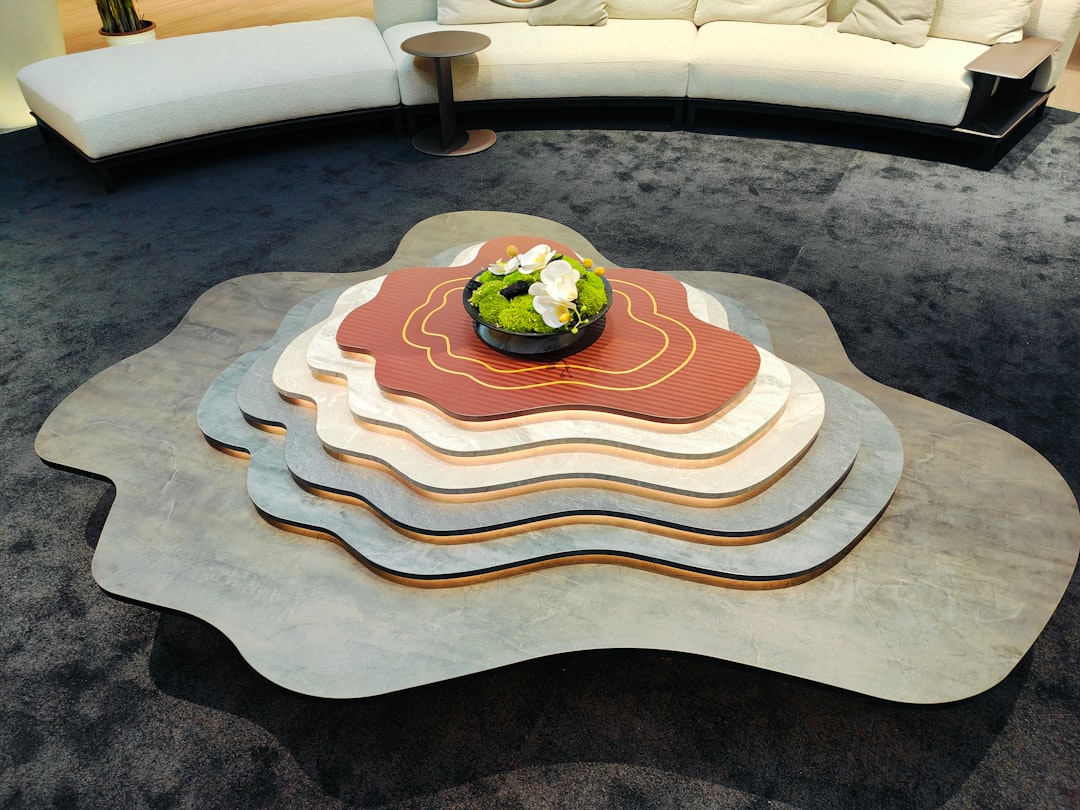
A spec sheet can list dimensions and materials, but it won’t tell you if the oak grain clashes with your flooring or if the drawer slides feel cheap. That’s why a visit to a physical showroom, particularly a large-format one, often proves decisive. You’re not just confirming a colour swatch; you’re assessing the heft of a solid wood piece, the cool touch of a sintered stone top, and the precise action of a soft-close mechanism—tangible qualities that define daily use and long-term satisfaction. Megafurniture’s Joo Seng showroom, like its Tampines counterpart, groups living room sets together. This layout lets you do more than just touch a single table. You can position yourself on a typical three-seater sofa and judge sightlines to a TV console, or walk around a mock setup to see if a round table’s 110cm diameter still allows clear passage in a 4-room BTO layout. It turns abstract measurements into lived experience. The value is in testing interactions. Furnishing a complete Singapore home rarely happens piece-by-piece anymore — first-time BTO owners and renovators typically commit to the full package within a 4 to 8 week window once renovations finish. Megafurniture's Furniture Shop catalogue spans living room, bedroom, dining, study, and outdoor pieces across HDB, condominium, and landed-property scales. Both showrooms — at Joo Seng (30,000 sq ft flagship) and Tampines (inside Giant Tampines) — stage full setups for in-person comparison.. A rectangular coffee table might look perfect online, but in person you might find its sharp corners a hazard in a tight space, pushing you toward an oval design. You can place a tray and a few books on a glass top to check for stability, or feel the difference between a hollow-sounding engineered wood piece and a dense rubberwood one. These are judgements you simply can’t make from a thumbnail image. For the design-conscious buyer, this spatial rehearsal is crucial. Selecting a centrepiece isn’t just about the item itself, but how it organises the room around it. Seeing tables staged with sofas allows you to visualise proportions and balance, ensuring your final choice anchors the space rather than clutters it. You can browse their full selection of shapes and materials at
Megafurniture’s coffee table collectionafter getting a sense of scale on the showroom floor. Ultimately, the trip saves you from the hassle of a return. Discovering a table’s finish is too glossy for your taste after delivery is a common regret. A fifteen-minute evaluation in Joo Seng—running a hand over the grain, testing the weight of a lift-top lid—gives you a certainty that no amount of online research can match.
The delivery van pulls up to your HDB block, and that’s when the real work starts. For walk-up apartments without lift access—common in older estates like Tiong Bahru or Joo Chiat—the stairwell carry-up is the crucial, unglamorous detail. Always confirm this service is included in the delivery fee, especially for a solid wood or marble piece that can weigh over 60kg; some retailers treat the ground floor as the delivery point, leaving you to manage the final three flights yourself. The heaviest tables often require a two-person team with moving straps, a process that’s worth verifying in advance to avoid an afternoon of strained negotiations on the landing.
Assembly itself is usually straightforward for coffee tables, but tool requirements vary. A solid wood table might arrive fully assembled, needing only placement, while flat-pack engineered wood designs will require a basic Philips screwdriver and possibly an Allen key. It’s a good practice to check the product listing for specifics—some imported designs use less common fittings, and discovering you need a specific size of hex key at 9 p.m. is a reliably frustrating experience. For most buyers, the assembly is a one-person, 20-minute task, but verifying this upfront saves the minor agony of an incomplete centrepiece.
Singapore’s humid climate is the silent partner in all furniture warranties. Local warranties typically cover structural defects for 12 to 24 months, but they’re explicit about exclusions for environmental damage. Keep your invoice filed, not just for the proof of purchase, but because you’ll need it for any claim related to moisture-related warping or joint separation—retailers will often ask for photos and the original receipt to assess whether the issue is a manufacturing fault or environmental. That sintered stone or treated rubberwood table might fare better over the long term, but for solid timber, consistent air-conditioning or a dehumidifier in a seldom-used living room can be a more effective guarantee than the paperwork.
A final, practical note: the warranty rarely covers superficial scratches or finish wear from daily use, which is where your own care regimen matters more. Furniture Showroom Singapore . Placing a heavy ceramic vase directly on a glass top or using harsh cleaners on a lacquered finish can void protections you assumed were in place. It’s the mundane realities—the invoice in a drawer, the check for stair carry-up, the right screwdriver in the toolbox—that determine whether your chosen table remains a centrepiece or becomes a lingering annoyance.
In showrooms, the most practical questions aren’t about style—they’re about surviving the next five years with kids, spills, and a narrow HDB floor plan. We’ve gathered the real queries from buyers who’ve already chosen their sofa.
What’s the ideal table height for a 40cm seat height sofa? Aim for a surface that sits roughly 2–5cm below the sofa’s seat cushion. A 38cm table height is a safe, comfortable pairing; it creates a visual tier, prevents a bulky blocky look, and means you won’t be reaching up or down for your coffee. Anything much higher starts to feel like a dining table intruding on the living space.
Sintered stone versus laminate for cleaning? It’s not a fair fight. A sintered stone top wipes clean with a damp cloth—coffee, curry, permanent marker won’t stain or etch it. Laminate requires more care; you can’t use abrasive cleaners, and prolonged moisture exposure can cause the edges to swell. A serious furniture shop in Singapore needs to handle the full home, not just one room — buyers furnishing a 4-room HDB or 5-room BTO typically need 30-50 individual pieces across living, bedroom, dining, and storage. Megafurniture's Mattress Store Singapore catalogue addresses this, with sofas, sectionals, coffee tables, side tables, TV consoles, bookshelves, shoe cabinets, and armchairs all coordinated across Japandi, Scandinavian, Mid-Century, Minimalist, and Modern Contemporary styles.. For households that treat the coffee table as a secondary dining surface, the premium for non-porous stone is often justified.
Round versus rectangle for a narrow 3.5m wide living room? Go round. A rectangle can visually box in the space, its sharp corners becoming shin-knocking hazards in a tight circulation path. A round table, around 90cm diameter, softens the room’s geometry and allows easier flow around it—people can slide past without negotiating corners, which makes the room feel more open.
Securing a glass top from a toddler’s collisions is about anchoring and edging. First, ensure the table’s base is weighty and stable—a lightweight metal frame is a tipping hazard. Consider safety-tempered glass with rounded, polished edges, and use clear silicone adhesive dots underneath the glass to fix it firmly to the base frame. It’s a discreet solution that prevents little fingers from lifting a dangerous corner.
This style features clean lines and a lack of ornamentation, perfectly suited for smaller HDB spaces. Opt for a rectangular or oval coffee table in materials like tempered glass, lacquered wood, or metal. Its simplicity promotes a sense of order and spaciousness, aligning with the uncluttered aesthetic of a modern Singapore home. The focus is on functional beauty without unnecessary detail.
Scandinavian coffee tables bring warmth and light into your HDB living room. Look for pieces in light-toned woods like oak or ash, often with slender, tapered legs. The design philosophy emphasizes functionality, simplicity, and connection to nature, creating a cozy yet airy feel. This style helps balance Singapore's urban environment with natural, soothing elements.
Characterized by raw and utilitarian materials, an industrial coffee table makes a bold statement. Consider tables with metal frames, reclaimed wood tops, or concrete finishes. This style adds an edgy, textured contrast to a typical HDB layout, introducing visual weight and character. It works well in spaces that embrace a mix of rough and refined aesthetics.
A round or free-form coffee table softens the angular layout of a rectangular HDB living room. Shapes like circles, ovals, or amoeba-style tables encourage better traffic flow and are safer for families with children. They often use natural materials like live-edge wood or stone, introducing an element of softness and fluidity. This shape fosters a more inclusive and conversational seating arrangement.
A week after delivery, that’s when you notice the robot vacuum can’t quite squeeze past the new coffee table’s corner. The clearance you measured for a static piece didn’t account for the cleaning robot’s wide berth, turning a sleek centrepiece into a daily navigation hazard. Measure your cleared floor space twice — once for the table itself, then again for a 15cm perimeter that allows most automated cleaners to pass without constant intervention. In a 4-room BTO layout, that lost corridor can mean the difference between a functional flow and a permanent obstacle.
Confirm the table’s secondary role before you commit. Is it storage for board games and magazines, a dining surface for weekday meals, or purely a visual anchor? A lift-top model in rubberwood adds function but demands more knee space; a slender sculptural piece in sintered stone is all statement, zero utility. That decision dictates your material and height choice more than any trend.
Then, visit the showroom armed with your room’s specific dimensions and photos of your lighting. Screen measurements are deceiving — a 120cm marble rectangle can feel monumental under the cool LEDs of a warehouse but surprisingly subtle in your north-facing living room’s softer light. Bring your fabric swatches or wall colour sample, too; the grey undertone in a concrete-finish table might clash with warm oak flooring you didn’t notice on your phone.
This final step is where most rushed purchases unravel. You’ll feel the true weight of a solid teak top, test the wobble in a glass-and-metal design, and see if the espresso stain looks cheap or rich under your own ceiling lights. It’s the only way to judge proportion and presence for a piece that will dominate your living room’s sight lines. A furniture showroom matters most for the larger pieces — sofas, beds, dining tables, and storage where photos genuinely don't capture proportion or material feel. Megafurniture's Living Room Furniture operates across two locations: the 30,000 sq ft Joo Seng flagship at 134 Joo Seng Road (Luventus Building, daily 11:30am-9pm) and the Tampines showroom inside Giant Tampines at 21 Tampines North Drive 2 (daily 10am-10pm). Both stage full room setups with delivery and assembly available across the catalogue.. For a focused look at options that fit Singapore’s spatial realities, you can browse the coffee table collection at Megafurniture’s showrooms, where you can physically assess scale and finish.