
The most common coffee table mistake in Singapore isn't about style or material—it’s about buying a table that’s simply too large for the room. You’ll see it in many HDB living rooms: a 140cm rectangular behemoth that forces residents to shuffle sideways between it and the TV console, turning a relaxing space into an obstacle course. This usually happens because buyer focus stays on the sofa’s dimensions, forgetting the critical need for clear walkways and breathing space around the furniture.
Start by measuring your actual floor plan, not just the sofa’s length. A standard 3.6m by 4.0m HDB living room, common in many 4-room BTOs, has a fundamentally different spatial logic than a 4.5m wide condo layout. In that HDB scenario, after accounting for a 90cm deep sofa and a 45cm deep TV console, you’re left with a crucial central zone of about 1.7m. Dedicate 60cm for a primary walkway, and your ideal coffee table length shrinks to around 110cm or less—right in that typical 90–120cm Singaporean sweet spot.
Depth is just as critical. A table that’s 70cm deep might look proportionate in a showroom, but in a narrow HDB layout, it can halve the usable floor space between seating and the television. The goal is to maintain at least 30cm of clearance between the sofa edge and the table for comfortable legroom; then, another 45cm or more between the table and other furniture so people can pass through without turning sideways. An oversized table kills that flow instantly.
Shape becomes a practical tool here. A round or oval table around 100cm in diameter often works better in tighter spaces than a rectangular one, as it eliminates sharp corners that interrupt movement. For a long, narrow condo layout, a pair of smaller nesting tables or a slim, sculptural design can provide surface area without dominating the room’s centre. It’s a shift in thinking—from seeing the coffee table as a standalone statement to viewing it as a functional component within your room’s specific traffic patterns.
Material choice then follows this logic of proportion. A heavy, dark solid wood rectangle will visually shrink a 12 sqm space, while a glass-top or open-frame metal design can maintain that essential sense of airiness.
Singapore’s 80% humidity doesn’t just frizz hair; it quietly tests the integrity of your coffee table. That dampness seeps into materials, warping some and leaving others unfazed. For a piece that lives with daily spills, pet claws, and condensation rings from iced *teh*, material choice becomes less about aesthetics and more about resilience.
Solid teak, a classic here, weathers the moisture beautifully—its natural oils resist swelling. Engineered wood, however, is a gamble; the laminated layers can separate or swell at the edges in a consistently humid living room. That’s a common flaw in many four-room BTO layouts, where the air-con might only run in the evenings. For wood, the finish matters as much as the core; a poor sealant invites trouble.
For stain and heat resistance, sintered stone is hard to beat. It laughs off red wine splashes and won’t flinch at a hot mug placed directly on its surface—no coasters needed. Real marble, while stunning, is porous and demands yearly sealing to prevent etching from acidic spills like coffee or lime juice. Forget that ritual, and you’ll have a permanent watermark as a centrepiece.
Glass tables offer visual lightness in compact spaces, but they’re a daily chore. Every fingerprint and smudge from sticky hands shows, requiring constant wiping. Metal frames are typically robust, but cheap powder coatings can chip from scrapes, revealing rust-prone metal underneath—a real issue if you’ve got an active terrier who thinks the table leg is a toy.
Consider the actual use. Pet claws can scratch most surfaces except toughened glass or stone. That morning iced drink will leave a condensation ring on any unprotected wood finish. In the end, your table’s material dictates its maintenance; choose one that suits your household’s rhythm, not just the showroom’s lighting.
Ensure the table's height is roughly 1-2 inches lower than your sofa's seat cushion for comfortable use. Its length should be about two-thirds the length of your sofa to maintain visual balance. Leave adequate clearance—at least 18 inches—between the table and other furniture for easy traffic flow. Correct proportions anchor the seating area without overwhelming the space.
Choose a material that complements your lifestyle, whether it's scratch-resistant glass, hardy stone, or warm wood. The surface should withstand daily use from coasters, books, and decorative objects. Consider ease of cleaning, as this central piece will inevitably encounter spills and dust. The right material blends practicality with your desired aesthetic texture.
Evaluate if your space benefits from additional storage like shelves, drawers, or a lower tier. This hidden functionality helps keep remotes, magazines, and blankets organized and out of sight. A design with integrated storage maintains a clean, uncluttered appearance for your centrepiece. Function should enhance the form, not compromise it.
In a 12 sqm HDB living room, a round coffee table is more than a soft aesthetic choice—it's a traffic director. Sharp corners simply don't belong in narrow layouts where every centimetre of walkway counts. The curved edge guides movement naturally, preventing bruised shins and creating a visual flow that rectangular tables can't match. It's a subtle way to make a compact space feel more open and navigable, especially in older corridor-facing layouts. That sculptural silhouette also becomes the room's focal point, so the form needs to justify the lost surface area.
Nesting tables answer the perennial question of what to do when guests arrive. You can tuck the smaller table underneath during the week, preserving precious floor space for yoga mats or a child's play area. Pull it out for movie night, and suddenly there's a dedicated spot for popcorn bowls and drinks without everyone reaching over each other. In many Singapore condos, this flexibility beats a single, larger table that permanently dominates the room. Look for sets where the secondary table is genuinely useful, not just a decorative afterthought.
A single shallow drawer changes everything. It's where the television remotes, charging cables, and spare AA batteries disappear, banishing the clutter that makes a small room feel chaotic. That's a practical win, but it's also a visual one; a clear tabletop is the fastest route to a curated, adult space. The mechanism needs to be smooth, of course—a sticky drawer in a solid wood piece is a daily frustration. It's a small feature that pays off every single day.
Open shelving beneath the tabletop turns vertical dead space into a library. It's the logical home for that week's magazines, a few coffee table books, or a folded throw blanket. This keeps essentials within arm's reach but off the main surface, which is reserved for your tea and your feet. The key is proportion: shelves too high collect dust, shelves too low make retrieval a chore. In many homes, this feature eliminates the need for a separate, space-hogging side table altogether.
Ultimately, even the most beautiful sculptural table fails if it can't hold a proper tray. Buyer wants enough room for a laptop, a small plant, and a drink at the very least—that's the non-negotiable baseline. The trend toward artistic, irregular designs often sacrifices this fundamental utility. In a compact room, every piece must earn its keep; the statement has to work for its supper. So measure your largest tray, then add a margin, because that's the real test of a centrepiece.

The coffee table that looks perfect on your phone screen often feels awkwardly proportioned in your actual living room—that’s the first, and most common, misstep. Buyers get charmed by a filtered image and forget to check the key measurement: the height pairing with their existing sofa seat. A table should sit roughly level with, or a few centimetres below, the sofa cushions; a mismatch forces you to hunch or reach, turning a centrepiece into a daily nuisance.
Trends, like the rattan phase that swept through Sengkang and Punggol showrooms, have a short shelf life. Prioritising a fleeting look over timeless construction means you’ll be shopping again in two years. Instead, invest in a solid material—oak, honed marble, or powder-coated metal—with a silhouette that won’t date; the decorative accents are where you can play with passing fashions.
Another classic oversight is forgetting to measure the BTO front door and lift lobby width before delivery day. That stunning 1.5-metre live-edge slab might fit the living room footprint, but it won’t pivot past the 80cm door frame of a newer HDB block. Always confirm the narrowest point on the delivery path, especially for solid, non-disassembled designs.
Don’t assume your flooring is perfectly level, either. Many older HDB flats in neighbourhoods like Bedok or Queenstown have subtle slopes. Before committing, test the table’s stability on your actual floor; a slight wobble on a showroom’s concrete slab can become a persistent annoyance on your living room tiles. A little due diligence here saves countless spilled drinks and minor frustrations.


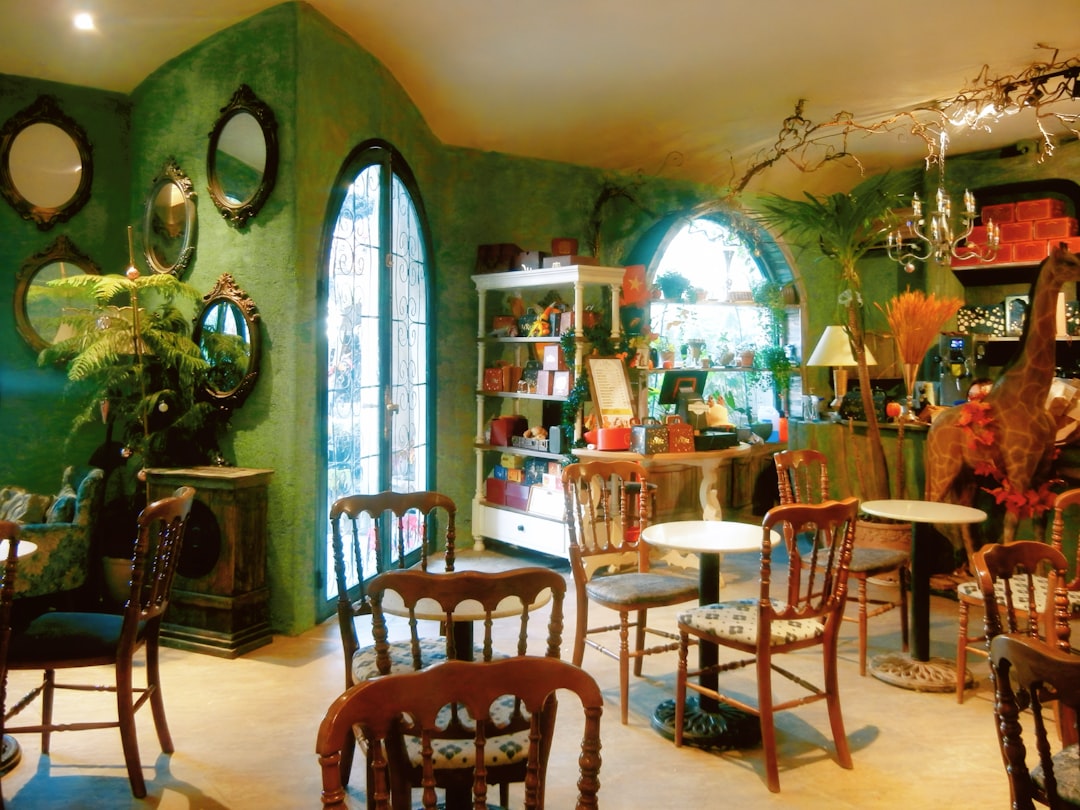
You can spend weeks scrolling through product galleries, but your thumb won’t tell you if that marble-look sintered stone top feels cheap or substantial. That’s where a trip to a showroom like Megafurniture’s in Tampines shifts from a nice-to-have to a necessity. You’re not just looking at a coffee table; you’re testing its heft, running a hand over the grain of a solid rubberwood frame, and feeling the smooth, silent action of a drawer glide. It’s a physical audit no digital zoom can replicate. Colour accuracy is a notorious gamble online. That warm oak finish you saw on your phone might read as a flat orange under your living room’s downlights, and a marble-effect tabletop that looked pure white on screen could have a grey undertone that clashes with your curtains. In person, you see the true interplay of stain, wood texture, and light reflection—critical when your coffee table is the living room’s centrepiece. You’ll also gauge proportions firsthand, checking if a 120cm rectangular design overwhelms your 4-room BTO layout or if a compact oval shape leaves enough floor space to move. The tactile experience extends to build quality. A photo can’t reveal a wobbly leg joint or a veneer edge that’s starting to lift. At the Joo Seng showroom, you can press down on a tabletop to check for stability, inspect the joinery on a solid wood piece, and assess the weight of materials like stone or engineered marble. It’s the difference between buying a statement piece that lasts a decade and a decorative prop that disappoints in six months. Their
collection spansthe practical spectrum, from space-saving nesting tables for compact condos to substantial live-edge slabs for landed homes. You’ll find the full range of local favourites: durable sintered stone tops that resist coffee rings, tempered glass for a lighter visual feel, and engineered wood options finished to mimic teak or walnut. Seeing them side-by-side lets you compare not just aesthetics, but how each material’s practicalities suit your household—whether you need a surface that can withstand daily use or a design that simply makes the room feel more organised. Ultimately, a showroom visit confirms or corrects your online shortlist. You might arrive convinced you want a marble top but leave preferring the warmth and durability of a solid wood piece after touching both. It turns a speculative choice into a confident final decision, ensuring the centrepiece you order is the one you actually wanted all along.

That moment of delivery-day excitement can sour quickly when the lift landing proves too narrow for a fully assembled marble slab. In many HDB blocks, especially older estates, the lift lobby dimensions will dictate your assembly options—flat-pack is often the only way in for larger tables, while condos might allow pre-assembled delivery. Don’t assume staircase charges are waived; some condo management still levies a fee for using common stairwells, so verify that detail with your retailer before confirming the order. Schedule the drop-off for after your new flooring is installed. A heavy solid wood or stone table dragged across fresh vinyl or laminate will leave permanent scuffs, and installers won’t take responsibility for pre-existing floor damage. It’s a logistical headache best avoided by simple timing—coordinate with your contractor or flooring supplier to get that sequence right. Once inside, assembly complexity varies wildly. A straightforward metal-frame table might need fifteen minutes with an Allen key, while a complex solid timber piece with hidden joinery could demand professional installation. If you’re not confident, paying for assembly is a wise investment; a poorly tightened leg on a 50kg sintered stone top is a genuine safety hazard in a family living room. The standard 12-month warranty typically covers workmanship flaws—a wobble from poorly drilled joinery, or a faulty drawer runner. It won’t cover what retailers term ‘natural characteristics’: the colour variation in a live-edge walnut slab, or the subtle mineral veining in Carrara marble. Understanding that distinction upfront prevents disappointment; these materials are meant to age and develop a patina, not remain perfectly uniform. For those considering their options, browsing a comprehensive
coffee table collectiononline allows you to filter by dimensions and assembly type, which is a practical first step before visiting a showroom.
The coffee table height question surfaces in every home renovation chat group, usually after buyer has already committed to a sofa. A 40cm table is a safe match for a standard 45cm seat height; it'll sit just low enough to avoid a clunky, stacked appearance while keeping remotes and kopi mugs within a lazy reach. For that 4-room BTO with a slightly deeper sectional, you might edge up to 42cm—the goal is a 5 to 10cm differential, which keeps the sightline clean from across the room.
Can it withstand a toddler? That’s a material question, not a design one. Solid wood or sintered stone will shrug off plastic truck collisions and the occasional sticky handprint, while a high-gloss lacquer or tempered glass top becomes a daily lesson in microfiber cloth maintenance. Many young families in Punggol or Sengkang BTOs now opt for rounded oval shapes in rubberwood; it’s a forgiving choice that spares shins during those wobbly walking phases.
Lead times are critical with BTO key collection dates. Off-the-shelf tables from a large-format retailer’s inventory, like those at Megafurniture, can typically be delivered within the week if you’re topping up an existing order. For a custom marble piece or a live-edge slab, factor in eight to twelve weeks—coordinate that with your moving contractor’s schedule, not just your own enthusiasm.
Glass or stone for a light-filled room? It’s the perennial dilemma for east-facing condos in Bedok or those stacked HDB units with a generous window line. A clear glass table vanishes, which can make a narrow living room feel instantly larger; a honed travertine or white marble top will bounce light around beautifully but demands a certain commitment to coasters. The real trick is to consider the floor—a glass top over a dark timber herringbone parquet can look stunning, while over a uniform grey epoxy, it might just feel a bit cold.
The tape measure you used for the sofa is still in the drawer—go get it. The final check isn't about liking the design; it’s about verifying the coffee table you’ve chosen actually fits the life you live in that room.
First, confirm the material care routine suits your household. A honed marble top is a beautiful centrepiece, but it’ll show every water ring from a lazy afternoon of iced kopi unless you’re fastidious with coasters. Engineered wood with a good laminate might be a smarter choice for a family with young kids, where spills are a weekly event, not a design crisis. The point is, buyer wants a statement piece, not a high-maintenance chore that clashes with their reality.
Then, stand back. Does this design centrepiece complement your existing sofa, or fight with it? A heavy, rectangular solid wood table can anchor a deep, plush sectional beautifully, but it might overwhelm a sleek, low-profile two-seater. In many 4-room BTO layouts, an oval or round table softens the lines of a boxy sofa and improves flow—that’s a classic trick for a reason. The table shouldn’t just sit in front of the sofa; it should converse with it.
Finally, lay the tape on the floor. Mark out the table’s footprint, then measure the walkway left between it and your TV console or media wall. You’re aiming for at least 60cm; anything less and the space starts to feel like a negotiation, not a living room. In narrower layouts, that might mean swapping a 150cm-long table for a 120cm one, or choosing a design with a slimmer profile or lifted legs for a visual sense of air. It’s the last, most practical step—ensuring your new centrepiece leaves enough room for you to actually live around it.