
The coffee table arrives, fits neatly between the sofa and TV console, and immediately becomes a shin-bashing obstacle. This is the reality in many 12 sqm HDB living rooms, where a rectangular table's sharp corners dictate an awkward dance around the furniture. The mistake isn't buying a table—it's buying one without first mapping the clear floor space needed for daily life.
Measure that space before you measure the table. Start with the circulation paths: you'll need at least 60cm, ideally 75cm, for comfortable walking between the sofa and other furniture. Then, account for door swings—if your living room door opens inward, a table placed too close will block it entirely. An oversized rectangular piece, especially those around 120cm long, can dominate the room and force residents into single-file movement; it's a functional centrepiece that actively hinders function.
An oval or small round table often solves the geometry problem. The absence of corners creates softer visual lines and more forgiving walkways—you can brush past it without a bruise. A round table with a diameter of 80cm to104cm provides enough surface for drinks and remotes while occupying less visual mass. The shape naturally encourages flow around it, not a detour.
Material choice plays a supporting role here. A glass top or a table with slender, tapered legs maintains sightlines, making the space feel less cluttered than a solid timber block. For those who need the surface area, consider a nest of two smaller tables—they can be pulled together when needed and tucked apart to clear a path. The goal is a table that serves the room's traffic plan as much as its decor.
The 15 sqm living area in a new BTO flat isn't just a number; it's a hard boundary dictating every furniture decision. A 1.5-metre sofa might fit, but the space left for a coffee table shrinks to a sliver—often less than a metre across. In these rooms, a typical 120cm-long rectangular table can instantly dominate, forcing residents into a sidestep shuffle to get past. The maths is unforgiving: with a 600mm walkway clearance needed, a large table simply won't leave room to breathe.
Contrast this with a 25 sqm condo living room, where you’ve got the luxury to consider a centrepiece. Here, a 150cm sintered stone table or a broad oval design in solid wood becomes feasible. The key proportion to remember is that the table length should ideally sit between one-half and two-thirds of your sofa’s width. This keeps it visually anchored without overcrowding the seating zone, allowing for proper legroom and that all-important clearance to the TV console opposite.
Material choice follows directly from this spatial reality. In a compact BTO layout, a glass-top or open-frame metal design maintains a sense of visual lightness, preventing the room from feeling cluttered. A round or oval shape with no sharp corners is a practical favourite for navigating tight pathways. For larger resale or condo spaces, heavier materials like marble or chunky rubberwood become viable, offering a substantial anchor for the room’s décor.
Storage solutions, too, must be scaled. A bulky lift-top table with deep compartments might overwhelm a smaller floor plan, whereas a sleek design with a single shallow shelf can keep remotes and magazines off the floor without claiming extra airspace. It’s a common misstep to buy for the storage you wish you had, not the dimensions you actually live with.
Ultimately, the most functional coffee table is the one that doesn’t make you think about it daily—it should hold your morning kopi without becoming an obstacle course for your family. Measure your walkways first, then shop for the table.
Singapore's ambient moisture is a silent, relentless force. It will find untreated solid wood—a rubberwood slab, an acacia top—and slowly coax it into a gentle, irreversible curl. That's why many local buyers gravitate towards engineered wood cores or fully sealed sintered stone; they're built to resist the daily 80% humidity swing that defines our climate. Treated teak holds up well, too, but you'll pay for that natural resilience. The lesson is simple: assume every surface is damp, and choose accordingly.
Scratches are inevitable, but gouges aren't. A high-gloss lacquer finish might look stunning in a showroom, but it'll show every claw mark from a playful terrier within a week. Opt for a textured material instead—a wire-brushed oak veneer or a sintered stone with a matte finish can disguise a multitude of sins. Rounded corners aren't just a Scandinavian design trend; they're a safety feature for a bounding Labrador in a tight space. Consider the entire lifecycle: a table that looks 'lived-in' after a year is better than one that looks 'ruined'.
In a typical 4-room BTO living room, every centimetre between sofa and TV console is contested territory. A 120cm rectangular table might fit physically, but it'll turn navigation into a daily obstacle course. The better approach is to treat the coffee table as a proportional anchor—its footprint should leave clear walkways to the balcony and dining area. An oval or round shape with a diameter around 90cm often works wonders here, eliminating sharp corners that catch thighs. It's about flow, not just filling the gap.
Forget generic categories; the specifics matter. Engineered wood with a moisture-resistant MDF core and a proper sealant is a different beast from a basic particleboard unit. Sintered stone, essentially compressed mineral dust, is non-porous and laughably easy to wipe down after a spilled teh-o. Treated solid woods like kiln-dried teak or acacia have a fighting chance, but you must verify the treatment was done for tropical conditions. This isn't about luxury; it's about physics applied to your living room.
The dream of a perpetually pristine centrepiece collides with the reality of paw prints, condensation rings, and dust. A textured, matte surface hides smudges between weekly wipe-downs, while a glossy one demands constant attention. Sintered stone needs just a damp cloth; an unsealed wood requires more careful conditioning. Factor in the five-minute weekly clean you'll actually do, not the aspirational deep clean you imagine. The right material makes maintenance a minor task, not a chore that makes you regret your choice.

A coffee table that survives a few years in a Singapore living room is an achievement. Humidity and daily use—from wet glasses to toddlers climbing—test every joint and surface. The difference between a piece that lasts and one that warps in a season often lies in details you can check before buying.
Engineered wood, which includes MDF and plywood options, is common for budget-conscious buyers in neighbourhoods like Tampines or Bedok. The critical point isn't the core material but the edges. Thick, properly sealed edges—with a robust laminate or veneer that wraps completely over the top and sides—resist swelling from accidental spills. Thin, poorly finished edges absorb moisture quickly, leading to that familiar bubbled lip along the table's perimeter. It's a flaw you'll notice every time you set down a drink.
Solid wood tables, like those made from rubberwood or oak, should feel substantial when you lift one corner. That weight typically signals thicker planks and proper seasoning. Look for traditional joinery: dovetail or mortise-and-tenon joints at the corners are clear indicators of a builder expecting decades of use, not just a few. A table relying solely on screws or basic glue will likely start wobbling after being shifted around your 4-room BTO floor plan a few times.
Metal legs or frames, often paired with wood or stone tops, offer another durability checkpoint. Welded seams at the joints are far more reliable than assemblies that rely only on screws or bolts; screws can loosen with movement, causing that irritating shake. For tables with a glass top, the mounting hardware should be substantial, not just a few thin clips. A coffee table is a centrepiece, but in many homes it's also a de facto footrest or occasional seat—build quality needs to accommodate that unplanned load.
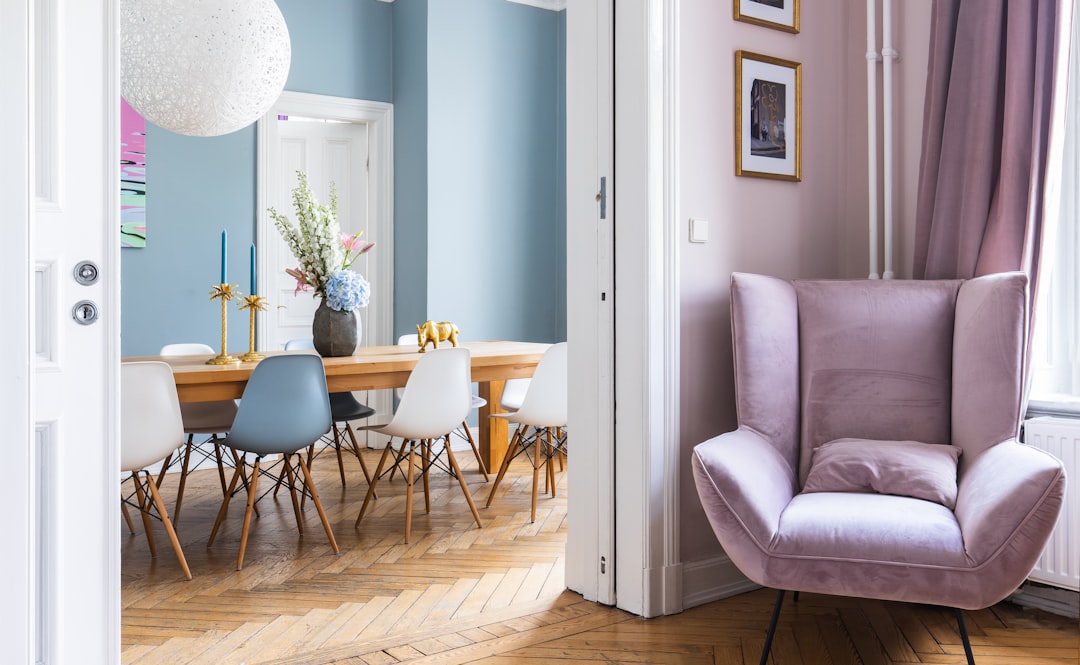
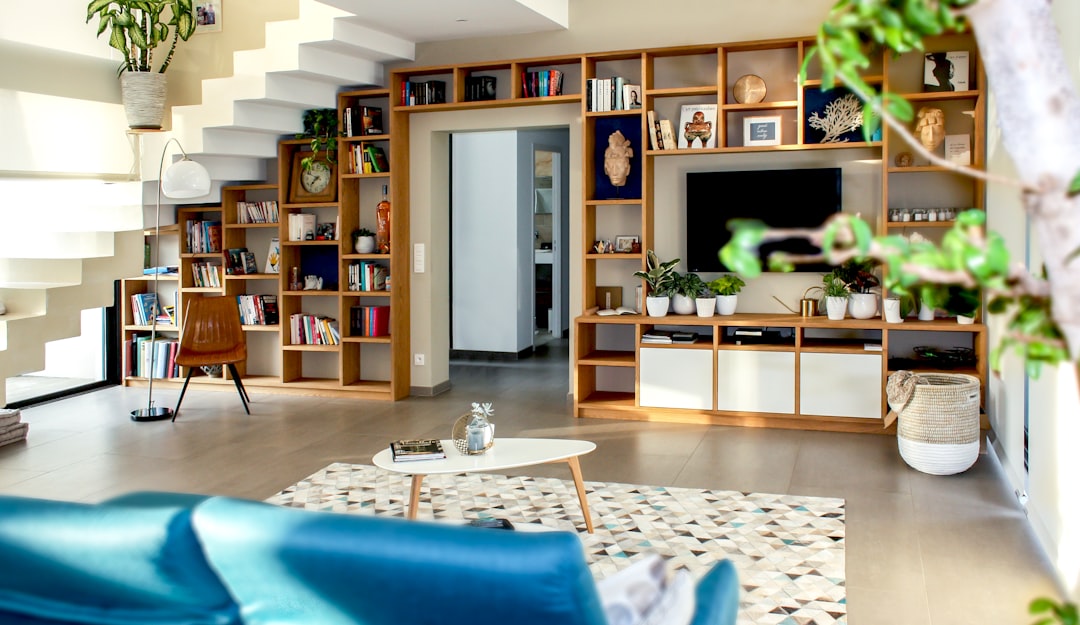
A photo of a coffee table can’t tell you if the drawer will stick when it’s loaded with three remotes and a stack of magazines. Online listings are brilliant for filtering by dimensions or material, but they’re silent on the heft of a lift-top lid or the precise shade of a walnut veneer under your living room’s downlights. That’s where the decision moves offline.
At Megafurniture’s Joo Seng or Tampines showrooms, you can assess what a product page never will. Run a hand over the edge of a sintered stone top to feel its finish — is it cool and seamless, or does it have a slight texture? Test the glide of a drawer on its metal runners, loading it with the showroom’s provided weights to simulate your clutter. The perceived sturdiness of a solid rubberwood frame versus a metal one is something you understand through a gentle push, not a specification sheet. You’ll notice if a table seems to dominate a space, or if its 45-centimetre height creates an awkward reach from your sofa.
These tactile checks matter because a coffee table is a workhorse. In a 4-room BTO layout, it might also be your occasional dining surface or a child’s homework station. A mechanism that feels flimsy empty won’t improve with a tray of dinner plates on it. Seeing the scale in person also prevents the common mistake of a table that’s proportionally wrong — a 150-centimetre rectangular piece can overwhelm a compact seating area, while a petite round design might get lost.
It’s a practical step that saves future regret. You might fall for a marble-look table online, only to find its printed pattern lacks depth in natural light. Or you could discover that a table with a lower shelf offers the perfect spot for board games, a detail you’d overlooked. The trip clarifies your budget, too; sometimes a piece that seemed expensive online justifies its price through impeccable finish and solid construction you can’t photograph.
Schedule an hour at a showroom to browse the options. Bring your room dimensions and a critical eye for the details that turn a centrepiece into a daily convenience.
The moment your new coffee table arrives at the void deck is when the real work begins. It’s a common scene: a delivery crew wrestling a large, flat-pack box towards a lift lobby, only to find the 800mm-wide HDB lift door is a tight squeeze. Measure your table’s packaged dimensions—especially its diagonal—against that standard aperture; a sleek 120cm rectangular top can become a 160cm-long box that simply won’t pivot into the cabin.
Self-assembly might seem like a way to save a few dollars, but it’s a fast track to voiding any manufacturer warranty on the spot. Suppliers typically require their own trained teams to handle assembly, ensuring components like screw-in legs or sliding drawers are fitted correctly. A misaligned bracket you installed yourself can lead to a wobbly table or a stuck drawer, and that’s a repair claim you’ll likely have to cover out of pocket.
Scrutinise the warranty document before you commit. A robust warranty should explicitly cover structural defects—think splitting solid wood tabletops or failing leg joints—for a period that often spans one to five years. It typically won’t, however, extend to surface wear, which includes scratches from daily use, water rings from forgotten coasters, or fading from afternoon sun in your east-west facing living room.
For larger statement pieces in sintered stone or solid timber, professional delivery and assembly isn’t just a preference; it’s a necessity. These teams are equipped with trolleys and protective gear to navigate narrow corridors and polished floors without damage, and they’ll handle the final positioning in your centre. That final service check is what turns a bulky item into a finished centrepiece.
Consider the long-term view. A warranty that covers workmanship gives you peace of mind for the life of the piece, not just its first few months in your home.
The most common error is failing to measure the room and existing furniture. A table that is too large will dominate the space and impede movement, while one that is too small will look insignificant and fail to serve its purpose. Always leave 12-18 inches between the table and seating for comfortable legroom. This foundational step prevents a disproportionate and awkward living room layout.
A coffee table must first serve its core purpose as a stable, accessible surface. Prioritizing purely decorative pieces can result in wobbly surfaces unsuitable for drinks or books. Consider daily activities like dining, playing games, or working from the sofa. The table's height should align with your seat cushions for ergonomic use.
Forgoing storage misses a key opportunity to reduce clutter in the living area. Opt for tables with drawers, shelves, or lift-top mechanisms to conceal remote controls, magazines, and blankets. This keeps essentials within reach but out of sight, maintaining a tidy aesthetic. It transforms the table from a mere surface into an organizational hub.
Selecting a material based solely on appearance often leads to regret. Delicate glass shows fingerprints, soft wood dents easily, and porous stone can stain from spills. Evaluate your household's lifestyle, including the presence of children or pets. A durable, easy-clean material ensures longevity and daily usability.

Most coffee table questions boil down to a simple conflict: the buyer wants a centrepiece, but the living room wants functionality. The FAQ inbox is full of it.
Can a coffee table be used as a dining table in a studio? Only if you’re strict about height. That 38cm model you love for a lounge won’t work for meals; you’ll need one around 45cm to match standard dining table height. It’s a compromise, but in a 4-room BTO studio layout, a single table doing both jobs can organise the space.
Best shape for a 3-seater sofa in a narrow living room? An oval. It softens the hard lines of a long, narrow room—common in many HDB flats along the East-West line—and provides clearance at the corners. A rectangular table in the same spot often feels like a traffic island.
Easy-clean material for kids? Tempered glass or laminate. Glass is obvious; a quick wipe clears spills and crayon. Laminate, especially in a textured finish that hides fingerprints, is the practical favourite for households near Eunos or Bedok, where weekend mornings are for play.
Difference between marble and sintered stone? Sintered stone is non-porous, requires no sealing. Marble, even sealed, will eventually stain if you leave a red wine glass on it overnight; sintered stone won’t. That’s the trade-off between natural patina and engineered performance. For a low-maintenance centrepiece, the engineered option often wins.
The coffee table in a 16 sqm living room often ends up as a catch-all for keys, mail, and yesterday's mug—which is precisely why a statement piece can't just be a sculpture. Its daily duties are non-negotiable. Before you get drawn to a dramatic slab of marble or a sculptural metal form, you'll need to quantify your primary needs: storage, footrest, or display. Prioritise ruthlessly based on your room's dominant activity. If your evenings are spent on the sectional with feet up, a solid ottoman or a table with a recessed shelf for trays is essential; if you host weekly mahjong sessions, a broad, stable surface takes precedence over concealed compartments.
For compact layouts, a multifunctional table with a shelf or a drawer maximises utility without overwhelming the visual space. A two-tier design, for instance, offers a display ledge for coffee table books below and a clear surface for drinks above, effectively doubling the functional area without increasing the footprint. The lower shelf also keeps remotes and magazines organised and out of sight—a small victory for visual calm in a tight space. It's a practical compromise that still allows for a distinctive material or silhouette to make its mark.
Consider the material's relationship to these functions. A sleek glass top on a storage base feels lighter and maintains sightlines, which is a clever trick in a small room, while a solid wood table with a drawer grounds the space with warmth and hides clutter. The wrong choice here turns your centrepiece into a permanent display of life's detritus. Ultimately, the most successful statement piece in a Singaporean living room isn't the one that shouts the loudest, but the one that quietly accommodates the reality of how you live—whether that's Netflix marathons, weekend hosting, or simply needing a place to rest your feet after a long day at the office.