The coffee table that looked perfect in the Tiong Bahru showroom can become a daily obstacle course in your 12 sqm HDB living room. Singapore's compact floor plans, from narrow walk-up condo corridors to BTO living rooms that double as dining areas, demand a forensic approach to dimensions before anything else.
For that typical 4-room BTO layout, a standard 150cm rectangular table will often swamp the space between your three-seater sofa and TV console. It leaves mere slivers for walking past, turning a centrepiece into a shin-bruising blockade. In these rooms, a 100cm round or oval design is usually a smarter fit; it preserves circulation paths while still offering a usable surface, and the curved edges are kinder in tight quarters.
Delivery logistics are a critical, often overlooked, part of the sizing equation. That solid wood or sintered stone table you love needs to physically get into your home. Measure your lift’s diagonal depth and your main door width—many older HDB and condo doors are only 80cm clear. A table that arrives disassembled, or one with a two-piece top, can bypass these headaches entirely, a practical triumph over an inflexible slab.
Material choice follows directly from this spatial reality. A heavy marble top on a bulky frame feels permanently anchored in a small room, while a glass-top design or a leggy metal frame can visually lighten the same footprint. The goal isn’t just to fit the furniture in, but to ensure the room still feels organised and breathable afterwards. You can browse a range of space-conscious options, from round sintered stone to compact storage designs, at Megafurniture’s collection.
That condensation ring from a cold can of Tiger Beer on a Saturday afternoon is more than a nuisance — it's a material failure. In a climate where relative humidity routinely hits 80%, your coffee table isn't just a surface; it's a frontline humidity sensor. The wrong material choice here doesn't just age poorly; it warps, stains, and swells in a matter of seasons, turning a centrepiece into clutter you can't wait to replace.
Engineered wood, a favourite for its price point and clean lines, demands scrutiny. Look for robust, thick edge banding that’s fully sealed — anything less and the exposed particleboard core acts like a sponge, leading to irreversible swell along the table's perimeter within a year. For solid wood, species matters intensely. Teak, with its natural oils, consistently outperforms acacia for moisture resistance; an acacia table in a non-air-conditioned Tampines living room can develop hairline cracks as it dries out post-monsoon season.
For stone surfaces, the seal is the story. A properly sealed marble top will resist the mug rings and condensation marks that are endemic here, but that seal needs reapplication every 18 to 24 months — a maintenance step many buyers forget until the dull patch appears. Sintered stone avoids this altogether; its non-porous nature means spills and humidity simply sit on the surface, which is why it’s become a default for new condo developments from Tanah Merah to Queenstown.
The real signal is in the details. Run your finger along a table's underside and edges; any roughness or visible laminate seams are future failure points. In a 4-room BTO, where the coffee table might sit inches from a constantly-running air-con unit creating a microclimate of thermal shock, these details define a five-year piece from a fifteen-year one. It’s a quiet but critical performance spec, often overlooked for a more dramatic silhouette or colour.
Start with a literal count of everything currently parked on your existing table. That means three remotes, a PS5 controller, two weekly magazines, a pack of baby wipes, and a half-empty mug. It’s a mundane list, but that’s the point—you’re converting visual chaos into a concrete inventory. Most homeowners underestimate this daily pile by at least five items, which leads to buying a table with a single shallow drawer that’s immediately overwhelmed. Write it down; the physical tally forces you to confront the actual volume of stuff you’re trying to manage daily.
A standard four-cubic-foot storage drawer, common in many coffee tables, typically swallows 15 to 20 of those surface items. That’s not a vague promise—it’s a spatial equation. Your three remotes, the gaming headsets, and that stack of parenting magazines might occupy just two cubic feet, leaving room for future clutter. This translation from item count to required volume is critical; it moves you from wanting “more storage” to needing a specific internal capacity, which directly filters your options when you browse the coffee table range.
Define your goal: how many items do you want to vanish from sight? If your audit found 28 things, aiming to clear 20 creates a tangible metric for success. This target isn’t about perfection—it’s about a realistic, maintained state that makes your 4-room BTO living room feel organised. Without this number, you’ll likely choose a table for its looks alone and end up with the same cluttered surface, just on a nicer piece of sintered stone.
Group your clutter into functional categories like entertainment, childcare, and reading material. This reveals usage patterns; the baby wipes and teething toys need quick, lid-free access, while game consoles might be used weekly and can go deeper. Categorisation informs drawer configuration—you might need one open trough and one lidded compartment. It’s a simple step that bridges the gap between a raw item count and a storage design that actually works for your household’s rhythm.
Anticipate what’s next. A newborn’s wipes will eventually be replaced by a preschooler’s craft supplies or your own new hobby. Good storage buys you time, but you need to factor in some spare capacity for that inevitable shift. If your drawer is 100% full on day one, you’ve already lost. It’s why the most practical coffee tables in Singapore homes often have a mix of drawers and shelves—they accommodate the clutter you have and the clutter you’ll acquire.
It’s a classic HDB scene: a brand new, 150-centimetre rectangular coffee table that looked perfect in the showroom now dominates a 4-room BTO living room, forcing residents to sidestep it like a traffic bollard. Oversizing for the space remains the most frequent misstep, a direct result of measuring the room but forgetting to account for the crucial 60-centimetre clearance needed for walking and legroom. A table that’s too long can block cabinet doors or access to a balcony; one that’s too deep turns a simple reach for the remote into a full torso stretch. The ideal proportion leaves about a third to half of the sofa’s length clear on either side—in many compact layouts, that means a 100 to 120-centimetre length is the practical sweet spot.
Material choice in our climate is its own minefield. That porous, unsealed travertine or light marble table might look stunning under gallery lighting, but it’s a permanent stain waiting to happen. Humidity and inevitable spills from kopi or soy sauce will seep right in, leaving a ghostly watermark that no amount of scrubbing will lift. For active households, non-porous surfaces like sintered stone, treated tempered glass, or sealed engineered wood are far more forgiving; they wipe clean without ceremony, which is a minor daily luxury that adds up.
A storage coffee table quantifiably reduces clutter by providing dedicated, enclosed space. A standard model with a lift-top or drawers can typically hold between 1.5 to 2.5 cubic feet of items. This directly removes remote controls, magazines, and blankets from visible surfaces, clearing an estimated 5-7 everyday objects from the main living area. The metric is measured by the volume of items relocated from open surfaces to the concealed compartment.
Evaluating storage coffee tables within broader storage solutions reveals their role in a layered organizational system. They address immediate, frequent-use clutter, which prevents overflow to bookshelves or cabinets, improving the efficiency of those secondary systems. A high integration score is achieved when the table's storage type (e.g., drawers for tech, deep bins for blankets) matches the adjacent room's clutter profile. This targeted approach provides a measurable decrease in the dispersal of items across multiple furniture pieces.
Another common oversight is neglecting storage accessibility relative to the sofa’s seat height. You’ll see buyers choose a beautiful lift-top design, only to find they’re constantly knocking their knuckles against the sofa’s frame when opening it. The mechanics matter: a table around 45 centimetres high paired with a low-seated, 40-centimetre sofa creates an awkward, cramped interaction. Test the clearance physically if you can, or at least compare the product specifications of both pieces before committing—a smooth, functional hinge is useless if you can’t actually lift the lid.
There’s also a tendency to prioritise a bold, sculptural statement over functional reality. An irregular, organic-shaped table can become a shin-bashing hazard in a narrow walkway, and a solid wood slab with no shelf forces all your clutter onto its surface, visually defeating the purpose. In a 12 sqm living area, every piece must earn its footprint—storage compartments, a lower shelf, or even discreet castors for flexibility aren’t just add-ons, they’re necessities for maintaining a sense of order.
The primary functionality of a coffee table shifts from a bare surface to an active storage hub, which increases surface utility. By integrating storage, the table's own top remains clear, achieving near 100% clearance efficiency for its footprint. This eliminates the need for secondary organizational bins or trays that often add to visual clutter. The result is a quantifiable reduction in the number of items per square foot on the room's primary horizontal surfaces.
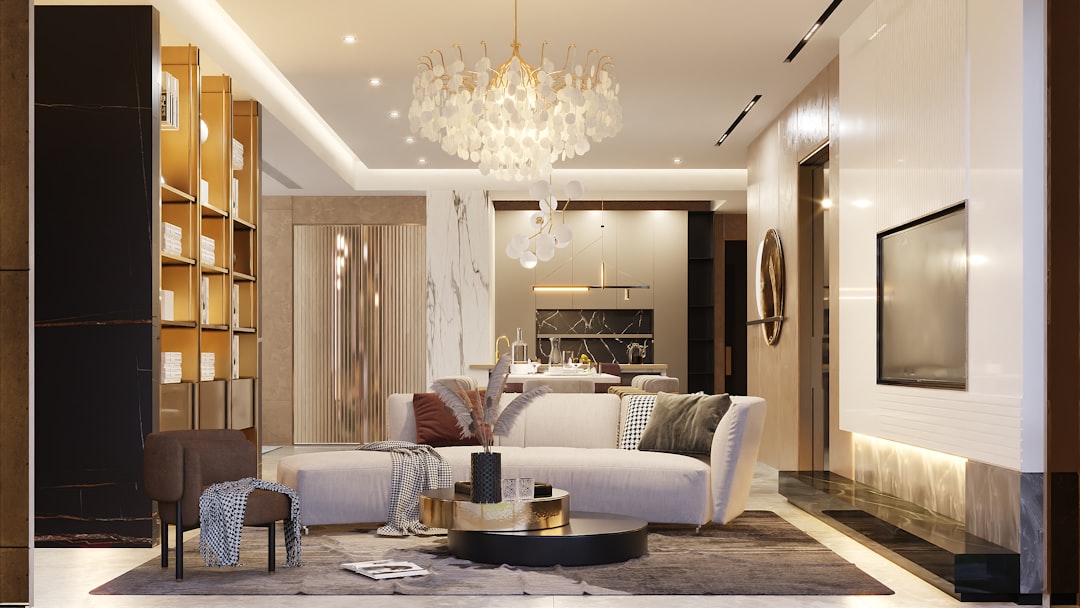

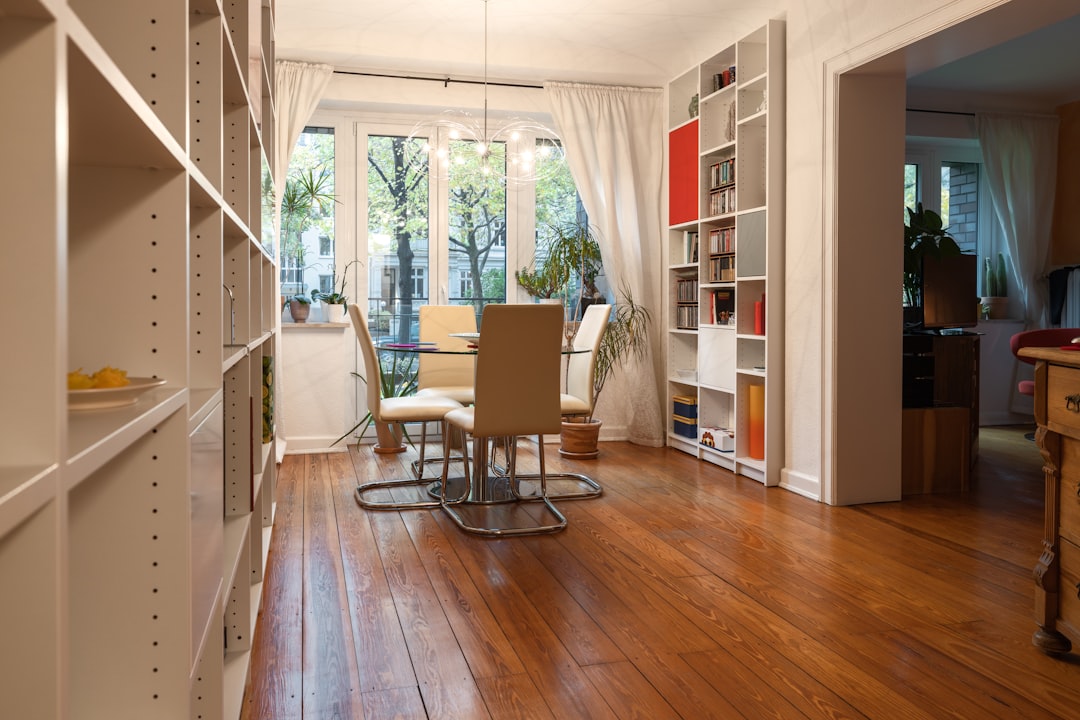
The coffee table you buy online often feels different in your living room — the marble looks colder under HDB LED strips, the drawer glides stick in our humidity, and the whole thing wobbles on your tiles. That’s why a trip to a physical showroom isn’t just a nice-to-have; it’s a functional necessity before committing a few hundred dollars. At Megafurniture’s Joo Seng and Tampines locations, you can run a hand across a sintered stone top to feel its grain, test the weight capacity of a lift-top mechanism, and judge if a rubberwood finish has the warm tone you’re after. Local light matters, too; a grey that looked neutral in a warehouse might pull too blue in your north-facing flat in Sengkang. Their floor layout reflects a pragmatic understanding of Singaporean spaces. You’ll find compact, sub-100cm rectangular models scaled for newer 4-room BTO living rooms, where every centimetre between the sofa and TV console counts. Alongside those are larger centrepieces — oval marble tables or chunky solid wood designs — that anchor open-plan condo layouts in Tanah Merah or Bedok. This range means you can physically compare how a 45cm-high table aligns with your sectional’s seat depth, or whether a lower, 38cm sculptural piece becomes a shin hazard in a tight walkway. Assessing sturdiness is non-negotiable. A gentle push on a showroom model reveals if the legs are stable on a flat floor; you’ll know immediately if it’s prone to racking. For storage models, you need to open and close every drawer and compartment. A smooth, silent glide system is a sign of decent hardware that’ll last, while a hesitant, gritty slide suggests it’ll annoy you daily. You’re also checking for sharp edges — a detail often missed in product photos but painfully obvious with kids around. Ultimately, this tactile verification bridges the gap between a digital image and a long-term living room fixture. It turns an abstract choice into a concrete one, letting you judge proportion, heft, and daily usability in a way a screen never can. For the design-conscious buyer, it’s the difference between a piece that merely fits and one that genuinely belongs. You can explore their spectrum of options, from space-saving BTO solutions to statement marble tops, on their dedicated
coffee table collectionpage after your visit.

A solid wood coffee table, once it’s in your living room, feels permanent. Getting it there, however, is often the most fraught part of the purchase. The logistical reality for many Singapore homes involves narrow BTO corridors, tight lift lobbies, and walk-up apartments where the delivery crew’s stamina is the final hurdle. It’s wise to clarify access constraints upfront—measure your lift’s interior dimensions and your corridor’s width, then compare them to the packaged item’s size; a supplier’s standard “doorstep delivery” may end at the void deck if the route involves a flight of stairs or a lift that can’t be booked for bulky goods. Most local suppliers include basic assembly, which for a coffee table typically means attaching four pre-fitted legs to a predrilled frame. Confirm if it’s genuinely tool-free or if you’ll need to supply your own Allen key. The assembly effort for a simple rectangular design is minimal, but for a larger storage model with drawers or a lift-top mechanism, that basic service becomes critical—you don’t want to be responsible for aligning the glides on a heavy, marble-topped piece. Warranties here tend to split coverage clearly. The structural frame often gets a longer guarantee, perhaps five to ten years, while moving parts like drawer runners or hydraulic hinges for lift-tops might be covered for only one or two. Pay close attention to the fine print regarding material behaviour in our climate; humidity-related warping or cracking in solid wood may have limited or excluded coverage, treated as ‘natural character’ rather than a defect. It’s a reasonable stance for a living material, but it shifts the maintenance burden to you. For a straightforward, flat-pack option that avoids many of these access headaches, you could browse a curated
coffee table range online. Ultimately, the smoothest delivery experiences are built on clear communication—snap a photo of that tricky corner by your main door and send it to the retailer before you confirm the order.
Coffee table height is a perennial HDB headache, and the 40cm seat question is spot on. Aim for a 5–10cm differential; a 45cm table is the safe, standard choice that keeps your shins safe and creates a visual anchor. Go lower, around 38cm, and you risk a cramped feel in a compact 4-room BTO layout — it’s all about maintaining that breathing room for legs and movement.
Best material with a toddler and a corgi? That’s the real local stress test. Forget delicate veneers; you want a sealed, hard surface. Sintered stone or quartz composite tops are brilliant—they laugh off sticky hands, milk spills, and paw scratches without a mark. For the frame, powder-coated metal or solid rubberwood in a matte finish hides the inevitable bumps far better than a high-gloss lacquer ever could.
Surviving balcony spillover means contending with our equatorial humidity and sudden downpours. If it’s fully sheltered, most materials are fine, but for any chance of moisture, teak or acacia solid wood is the classic, forgiving choice—it weathers to a grey patina. For a modern look, look for aluminium frames with a marine-grade finish; they won’t rust, and a quick wipe-down after a storm is all it needs.
Storage for boardgames—that’s a specific and excellent dilemma. Deep drawers are the organised choice, keeping boxes dust-free and out of sight in a Tampines condo’s open-plan living area. But if your collection is for weekly game nights in Bedok, an open shelf is more practical; you’re not fighting with a drawer runner every time you want to pull out Catan. Just be honest about your tolerance for visual clutter—an open shelf filled with colourful boxes becomes a design feature, or a mess.

Your sofa’s settled, but the living room still feels incomplete — that’s the coffee table’s cue. Before you head out, lock down three non-negotiables. First, exact maximum dimensions: measure the space between your sofa and TV console, then subtract 60cm for walkways. A 120cm-long table often swamps a 4-room BTO layout; 100cm is typically the sweet spot. Second, required storage volume: quantify your clutter. If you’re stashing three remotes, a PlayStation controller, and six magazines, you’ll need a drawer at least 8cm tall and 40cm wide. Third, primary material: solid wood warms a minimalist space, while sintered stone handles humidity and red wine without a second thought.
Bring your room’s floor plan, drawn to scale, and a photo of your existing surface clutter. That snapshot of yesterday’s coffee cups and school worksheets is more honest than any memory — it shows the real battlefield. Lay the floor plan over a potential table’s dimensions in the showroom; you’ll instantly see if it blocks the path to the balcony or crowds the armchair.
Then, get physical. Test drawer function by pressing down on an open drawer with the weight of your hand; it shouldn’t sag or wobble on its runners. Slide it in and out five times — the action should be smooth, not gritty, even when loaded. For the surface, don’t just look. Ask to simulate a typical household spill: a few drops of water left for five minutes shouldn’t stain a wood finish, and a cold drink’s condensation should bead on sealed stone or glass.
This final audit separates a centrepiece from a compromise. A beautiful table that can’t survive a weekend with the kids is just future clutter itself. You can review a range of options built for these realities at Megafurniture’s collection, where function is factored into the form.