A coffee table’s finish doesn’t fail in one dramatic crack—it surrenders slowly to the air. Singapore’s humidity, often sitting around 80%, is a constant agent of decay for materials that aren’t sealed for it. That lovely wood veneer on a budget-friendly piece? It’s the first to go, its edges lifting into whitish, brittle curls within a year in many non-air-conditioned living rooms.
Check for the subtle signs first. Condensation from cold glasses leaves white rings on lacquered surfaces; these aren’t just water marks, but permanent chemical blooms in the varnish. On solid wood or engineered wood tables, the finish can turn cloudy—a hazy patina that means moisture has penetrated the topcoat. It’s a common sight in older HDB flats where the living room sees less consistent cooling.
Metal hardware is another weak point. Screws, drawer pulls, or even the thin steel legs on some contemporary designs will develop specks of orange rust, especially near windows or in landed homes near the coast. That rust can then stain the tabletop itself. For laminate tops, the damage is often at the edges where the particleboard core swells, causing the plastic layer to peel back in an unsightly lip.
Your maintenance routine needs to account for this climate. Wiping spills immediately is obvious, but using a dry cloth to buff away the invisible daily film of moisture is just as critical. Avoid silicone-based polishes that can trap dampness; a simple, slightly damp microfibre cloth followed by a dry one is the safer method for most sealed surfaces. The truth is, a sintered stone or tempered glass top will laugh off this environment, while an untreated rubberwood table might not last two rainy seasons—that’s the material trade-off you’re really making.
In many 3-room HDB resale flats, the living room isn't a space you walk through—it’s a corridor. You’ll move from the main door to the kitchen, past the sofa, and around the coffee table dozens of times a day; that tight traffic flow is the single biggest factor for wear, turning a centrepiece into an obstacle. The standard rectangular table, typically around 120cm long, dominates these layouts because it fits neatly against the sofa, but its sharp corners become targets for bags, hips, and passing children. You’ll find the most damage isn't on the tabletop from drinks, but along the edges and legs—a constellation of small chips in veneers or paint, and scuffs on solid wood from constant, glancing contact.
Assess the corners first. In a narrow walkway, even a five-centimetre protrusion matters; a sintered stone or toughened glass corner might survive, but a painted MDF edge will reveal its chipboard core after a few solid knocks. Look for tables with rounded or chamfered profiles—they’re not just a design choice, they’re a practical defence. Oval or round tables, while less common, often fare better in these tight flows, eliminating the hazard of corners altogether.
Material choice here is less about prestige and more about resilience. A high-gloss lacquer finish on an engineered wood table will show every scuff from a shoe or trolley bag, while a matte laminate or a textured solid wood like oak can absorb minor impacts without announcing them. That beautiful marble tabletop might be a statement in a condo’s open-plan layout, but in a cramped HDB common area, its vulnerable edges are asking for trouble.
Consider the daily path from your front door. If it forces you to brush past the table every time you carry groceries in, that’s your wear pattern. The ideal table for these spaces often has a smaller footprint than you’d initially think—sometimes a 100cm length makes all the difference, creating a crucial few inches of clearance that preserves the finish for years. It’s a simple trade-off: a slightly smaller surface area for a lot less visible damage.
That engineered wood coffee table in your Pasir Ris condo might look pristine for a year, then the edges start to curl. Singapore's persistent 80% humidity acts like a slow steam bath on the adhesive beneath thin wood veneers. You'll first notice a slight cloudiness or bubbling at the corners, especially on surfaces that hold condensation from cold drinks. Once the bond fails, the veneer peels back in papery layers, revealing the chipboard core underneath—a repair is nearly impossible without professional re-lamination. This is a classic failure point for budget-friendly, laminate-topped tables in our climate, and it’s why many buyers eventually upgrade to solid materials.
A solid rubberwood or oak table feels substantial, but it breathes with the air. Over the annual monsoon cycle, the wood expands across its width, pushing relentlessly against its own joints. In a typical 4-room BTO layout, that constant pressure can cause mitred corners to open up or drawer fronts to stick stubbornly. You might hear faint creaks or see hairline cracks appear along glued seams during the wettest months. While this movement is natural, it’s the primary reason antique restoration workshops in Katong stay busy; solid wood demands acceptance of its character, flaws and all.
Chosen for its near-indestructible surface, sintered stone shrugs off red wine and coffee spills without a second thought. Its failure mode isn't wear but impact—a sharp corner drop from a heavy ceramic vase can chip a divot out of the edge. That chip exposes a rough, matte interior that contrasts starkly with the polished top, and colour-matching filler never quite disappears. It’s a material that feels invincible until that one unfortunate accident, which is why placement away from high-traffic paths in an HDB living room is a sensible precaution.
Tempered glass tables offer a sense of space in compact living rooms, but their clarity is their vulnerability. Using abrasive cloths or generic kitchen sprays for cleaning introduces fine, swirling scratches that catch the light from your ceiling fan. Over months, that once-crystal surface develops a permanent haze that no amount of polishing can fully erase. It’s a gradual degradation many owners don't notice until they view the table from a low angle in the afternoon sun. The only real fix is professional resurfacing, which often costs more than the table itself.
Powder-coated metal legs or frames seem tough, but coastal humidity in neighbourhoods like Marine Parade is insidious. Tiny scratches in the finish, perhaps from a vacuum cleaner or children's toys, become gateways for rust. You’ll see it start as a small, rough orange spot that slowly blooms and stains the floor beneath. This corrosion weakens structural integrity over years and is notoriously difficult to patch without the spot looking obvious. It’s a quiet, slow-motion failure that turns a sleek design piece into a dated eyesore.
A set of car keys dropped from a sofa cushion, a damp glass left overnight, a cat’s claws during a morning stretch—these are the unplanned tests your coffee table faces daily. In Singapore’s compact living rooms, that central piece doesn’t just hold your things; it lives your life, which means surface durability isn’t a luxury, it’s a necessity.
Start with a simple scratch test. Take a house key, the kind you’d find in any Bishan or Clementi household, and gently drag its teeth across a discreet corner of the table. On a soft lacquered finish or some rubberwood veneers, you’ll see a faint white line appear almost instantly; on tempered glass or a quality sintered stone, it should leave no mark at all. This isn’t about vandalising the showroom piece—it’s a practical simulation of the reality that kids’ toys and pet tags will inevitably scrape across the surface.
For households with pets, specifically check the manufacturer’s documentation for any mention of a warranty against pet damage. It’s rare, but some brands offer limited coverage for scratches from claws, which speaks volumes about their finish’s resilience. More commonly, you’ll find that performance lies in material choice: a honed marble or a textured, oiled walnut will hide small scratches far better than a high-gloss lacquer that shows every single flaw.
Identifying your table's finish is crucial for selecting the correct repair method. Common finishes include lacquer, varnish, oil, wax, or a plastic laminate. Test an inconspicuous spot with a dab of denatured alcohol; if it becomes tacky, it's likely shellac or lacquer. Knowing the finish prevents using a product that could cause further clouding or peeling.
Next, check for water resistance. Place a damp, wrung-out cloth on the surface for ten minutes, then lift it. On many engineered wood tables with poor seals, you’ll notice a faint, cloudy watermark already setting in, a precursor to the white rings left by condensation from iced teh or a forgotten pot of orchid water. A properly sealed solid wood, stone, or metal table should wipe completely clean and dry. It’s a good sign the finish can handle spills long enough for you to grab a towel from the kitchen.
Ultimately, the right table for a family isn’t about finding something indestructible—it’s about matching the material’s character to your home’s rhythm. A patina on solid wood tells a story; a permanent scratch on a perfect white laminate just looks like a mistake.
Begin by examining the table in bright, natural light to identify all surface imperfections. Look for common issues like white heat rings from hot mugs, cloudy spots from moisture, and fine scratches from daily use. Check the edges and legs for deeper gouges, chips, or cracks that compromise structural integrity. Document each type of damage you find to determine the appropriate repair approach.
Assess the depth of scratches to categorize them as superficial or deep. Light surface scratches often only affect the clear topcoat and can be addressed with polishing. Deeper scratches that expose the bare wood beneath the stain require filling and touch-up. Gentle scuffs from objects sliding across the surface may buff out with a dedicated furniture cleaner.

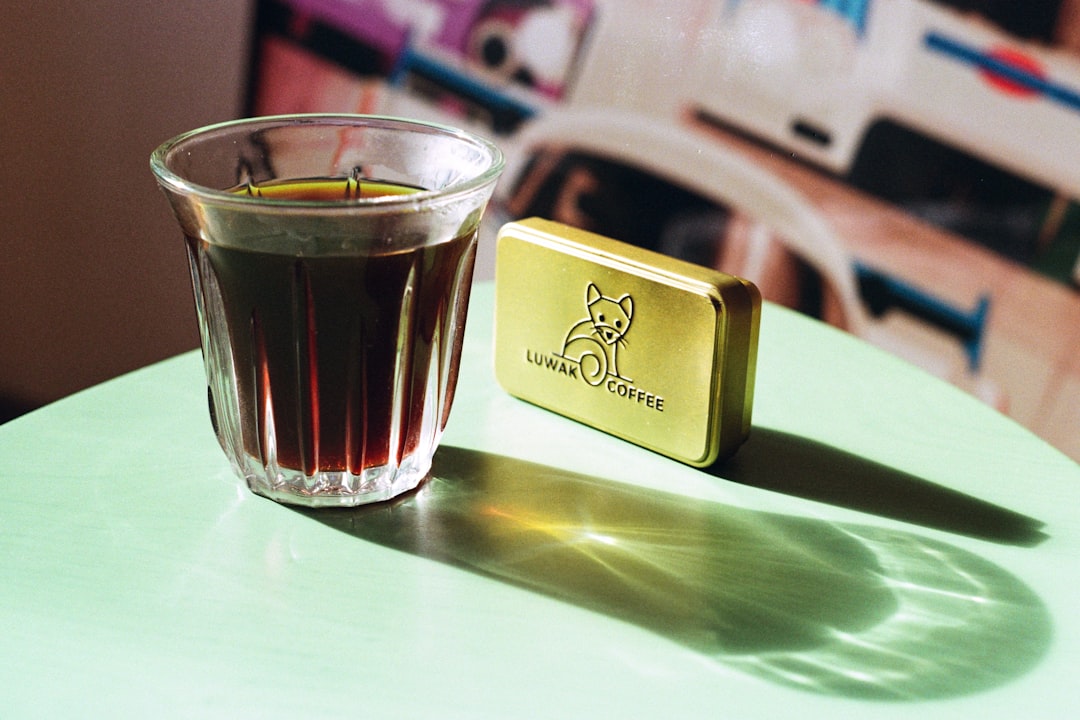


That white ring on your lacquer coffee table isn't necessarily a permanent stain; it's often just moisture trapped under the finish, which means a careful polish can sometimes lift it right out. The distinction between superficial and structural damage is where homeowners should focus their energy, because misreading it leads to wasted effort or unnecessary replacement.
Deep scratches in laminate, for instance, are a terminal diagnosis. The decorative layer is thin and once breached, the underlying composite shows through — there's no filler that convincingly matches the printed grain. In a humid climate, moisture can seep into that exposed core, causing further swelling and discolouration. It's a practical reason to avoid laminate for a centrepiece table in a busy living room, where remotes, keys, and kids' toys are in constant circulation.
For solid wood or engineered wood with a lacquer finish, assessment starts with touch. Can you feel the gouge, or is it just a visual change in the sheen? A true scratch into the wood substrate requires professional filling and refinishing, a process that often costs more than a new mid-range table. Those white heat rings or cloudiness from a hot mug, however, sit within the topcoat; a specialist can lightly abrade the surface and reapply a fresh layer of lacquer, restoring clarity without stripping the entire piece.
This calculus changes entirely with materials like sintered stone or glass. A chip on the edge of a glass top is a safety issue, not a cosmetic one. A scratch on sintered stone is rare but, if deep, compromises the surface's integrity. For these, repair is less about viability and more about immediate necessity.
Ultimately, the repair decision hinges on the table's original value and your tolerance for imperfection. A $400 rubberwood table with a deep gouge might be a candidate for replacement, while a $2,000 solid teak piece warrants a professional quote. It’s about knowing when to salvage an asset and when to let a worn-out piece go — a common dilemma in homes where furniture sees daily use across decades.
A buyer will choose a dark walnut coffee table for its rich, sophisticated look in the showroom, only to realise it shows every speck of dust by the third day in their Tampines HDB. The finish, not just the material, dictates your weekend cleaning routine. Glossy surfaces—whether on lacquered wood, sintered stone, or glass—act like fingerprint magnets, especially in a household with kids or frequent entertaining. That pristine centrepiece quickly becomes a smudged canvas you’re constantly wiping down.
Prioritise matte or lightly textured finishes for high-traffic living rooms. A matte seal on an oak or rubberwood table, or a honed finish on marble, forgives far more. They diffuse light instead of reflecting it, masking minor scratches, water rings, and the inevitable evidence of daily life. This isn’t about sacrificing style for practicality; it’s about selecting a finish that will look good after your morning coffee and your evening Netflix session.
Light-coloured marble or travertine poses a different challenge. While it hides dust better than dark wood, it’s notoriously porous. A spilled glass of red tea or a slice of lime left too long can etch a permanent stain unless the stone is professionally sealed—and that seal needs reapplying yearly. For many Singaporean households, a sintered stone in a matte concrete-look or a textured ceramic finish offers a far more resilient alternative, mimicking the aesthetic without the high maintenance.
The real test happens in the centre of your living room. A glossy, dark, or porous finish turns a coffee table into a display case for mess, demanding constant attention. A matte, medium-toned, textured finish, however, allows the piece to simply be part of the room—a functional surface that ages gracefully, not a fragile exhibit. It’s a practical choice that often outlasts a fleeting trend.
That online photo of a teak coffee table might show a warm honey tone; under the cool LED strips in your BTO living room, it could shift towards a flat, greyish beige. Colour accuracy is the first casualty of digital shopping, and it’s why a trip to a showroom isn’t just helpful—it’s critical for avoiding a costly mismatch with your existing sofa or flooring. You’re assessing the real thing under lighting similar to your own home, not a photographer’s studio setup. Finish texture tells a parallel story. A product description might list “matte oak veneer,” but that doesn’t reveal whether the surface feels slick and plasticky or has a subtle, grain-embossed texture that resists fingerprints. Run your hand across the top in person; you’ll immediately know if it’s a finish that will show every water ring or one that can handle the occasional coaster-less guest. This tactile check is impossible through a screen. Sturdiness, too, is a physical test. A coffee table in a 4x4 metre room mock-up at the Joo Seng showroom lets you gauge its actual presence and stability. Give it a firm nudge—does it wobble on its joinery, or does it feel planted? Check how the legs are attached to the apron; a well-engineered joint here is what survives years of feet propped up and toddlers using it as a support. Online specs list dimensions and materials, but they won’t tell you if a sintered stone top feels reassuringly dense or oddly hollow. These visits often reveal that the piece you loved online feels too bulky for a compact living room layout, or that a lighter wood finish you were hesitant about actually brightens the space. It’s about confirming scale and daily liveability before committing. You can
browse the collection onlineto shortlist, but finalising your choice demands a physical audit. The minor inconvenience of a trip saves the major headache of arranging a return for something that just doesn’t work in your actual home.
The delivery crew will pause at your HDB lift lobby, tape measure already in hand. They’re checking that your new coffee table — perhaps a 150cm-long marble slab or a sculptural solid wood piece — will actually fit on the lift landing for final assembly. It’s a crucial step; older blocks built before 1980 sometimes have narrower staircases, and some retailers will add a surcharge if they have to carry it up several floors. Confirm your block’s lift landing dimensions beforehand, and ask directly about staircase charges to avoid a last-minute fee. Assembly itself is usually straightforward for a coffee table, often just attaching legs to a pre-assembled top. The real test comes later, in the first 12 months, when finish defects might appear. A veneer might bubble in Singapore’s humidity, or a lacquer could cloud. Most warranties cover these material faults for a year, which is when you’d spot a manufacturing flaw rather than everyday wear. The structural warranty is longer — Megafurniture, for instance, offers three years on frame integrity for its
coffee tables, which matters more for designs with complex joinery or extendable mechanisms. That split in warranty periods tells you what retailers expect to fail. The finish is the first line of defence; a good sintered stone or tempered glass top should look untouched after a year of coffee cups and homework sessions. The structure underneath, whether it’s rubberwood or powder-coated metal, needs to hold up for the long term. It’s worth reading the fine print to see if ‘structural’ covers only complete failure or also includes gradual warping or joint loosening. Keep your delivery note and warranty card filed, not tossed. You’ll need them if a hairline crack appears in a marble tabletop or if a welded seam on a metal frame starts to separate. Photograph any damage immediately in good light — that’s your evidence for a claim. In many homes, the coffee table is the centrepiece that ties the living room together; ensuring it arrives and endures is part of the purchase.
The real questions about coffee tables aren't about style—they’re about survival. In a humid flat, with kids and air-con units dripping, a table’s finish is its first line of defence.
Can water rings be removed from teak? They can, but it’s a process. For a fresh ring, a dab of toothpaste on a cloth sometimes works; for a stubborn white mark, you’ll likely need to lightly sand the area and re-oil it. That’s the trade-off for teak’s warm, natural look—it requires a bit of periodic upkeep to stay looking its best.
Is marble too high-maintenance for a condo with kids? In many homes, yes. Marble stains and etches from anything acidic, like orange juice, and it can chip if something heavy is dropped. A honed finish hides marks better than a polished one, but for a busy family space, a sintered stone lookalike often makes more practical sense.
Will a glass top table shatter? Tempered glass, which is the standard for furniture, is incredibly strong and shatters into small, blunt pieces if it does break. The greater risk is scratching; you’ll be constantly wiping off fingerprints and water spots in our climate.
How to protect table from air-con drip? That persistent drip is a common culprit for top damage. The simplest fix is a clear, felt-bottomed coaster placed permanently under the drip zone; for a wider area, a custom-cut sheet of thin acrylic from a neighbourhood hardware shop can act as an invisible shield. It’s a small intervention that prevents a large, costly stain.