Walk into a typical 4-room BTO living room, and you’ll often find a clear 3.5 metres between the TV console and the sofa. That’s your main traffic corridor, and an oversized coffee table will block it entirely. The standard HDB living room averages a modest 16 to 20 square metres, where furniture flow is already constrained by built-in bomb shelters and narrow passageways; a table that’s too large doesn’t just look imposing, it actively disrupts daily movement from the main door to the bedrooms.
In these compact spaces, scale is everything. A rectangular coffee table pushing past 120 centimetres in length can start to feel like an island you have to navigate around, especially in a family layout with kids’ toys or a yoga mat temporarily claiming floor space. For many newer condominium units under 85 square metres total, the living area is even more compressed, demanding proportional pieces that define the zone without dominating it.
That’s why dimensions become the first, non-negotiable filter. A table around 90 to 110 centimetres long and 50 to 60 centimetres deep typically leaves enough breathing room for shins and for circulation around sofa ends. The popular 38 to 45 centimetre height range works well, aligning with most sofa seat cushions for easy reach. Round or oval shapes under 100 centimetres in diameter can be a smarter choice in tighter layouts, eliminating sharp corners that snag shorts or bag straps as people pass.
Material choice then follows from this size constraint. A large slab of natural stone or solid wood adds visual weight, so in a small room, it’s often better to opt for lighter finishes or materials with visual ‘lift’ like glass or open metal frames. The goal is a centrepiece that holds a tray of drinks and the TV remote without becoming the room’s primary obstacle.
In many Singapore living rooms, a coffee table’s finish starts to bubble within two years — that’s the humidity working its way into the substrate. Solid teak or acacia can handle the constant 80% moisture; they might darken slightly, but they won’t warp or crack. Engineered wood, however, is a gamble. The laminated surface may hold, but the particleboard core acts like a sponge, swelling at the edges and ruining the clean lines that drew you in. It’s a slow, irreversible process.
Stone surfaces present a different test. Polished marble is porous; a spilled kopi-o left for ten minutes can etch a permanent tan ring, while acidic drips from a lime plant pot will leave a cloudy mark. Sintered stone or quartz composites resist that — they’re non-porous, shrug off heat from a hot teapot, and won’t scratch under a child’s toy car. The trade-off is cost and that cooler, less organic feel under your wrist.
Metal legs, especially on imported pieces, often arrive with a coating too thin for our climate. Uncoated or poorly powder-coated steel will develop rust blooms where condensation gathers, staining your rug and leaving orange trails. Look for a stated ‘anti-rust’ treatment or opt for aluminium or stainless steel, which are inherently more resistant.
Then there are the uninvited guests. A hollow base or a plinth with a sealed bottom can become a harbourage for cockroaches, collecting crumbs and creating a nest. Untreated rubberwood or pine is a termite risk, particularly in landed properties but occasionally in older condos too. The solution isn’t just regular cleaning; it’s choosing solid, sealed constructions or metal frames that leave nowhere to hide. That’s the real durability test — surviving not just the climate, but the critters too.
Look past the surface finish and inspect how the corners are held together. Dovetail joints in solid wood frames indicate serious craftsmanship, while a reliance on staples or basic butt joints often signals a piece built for quick assembly, not longevity. That's not to say engineered wood can't be durable, but the joinery method is a clear signal of intent. In a humid Singapore flat, weak joints are the first to loosen and squeak, becoming an annoyance in your quiet evening routine. A well-constructed table should feel like a single, solid unit, not a collection of parts waiting to separate.
Run a finger along the table's edges, particularly where a veneer is applied. A quality veneered piece will have edges that are tight, seamless, and perfectly flush—you shouldn't feel a lip or a gap. Peeling or chipping at the corners, especially on a rounded edge, is a classic sign of poor adhesive application or thin material that can't withstand daily knocks. This flaw isn't just cosmetic; it's an entry point for moisture that will cause the problem to spread. In many homes, that first peeled edge near the sofa is where the table's decline visibly begins.
For glass-top tables, thickness is a non-negotiable safety and quality marker. Insist on a minimum of 8mm tempered glass; anything thinner feels insubstantial and can vibrate or even crack under a heavy load. That thin, wobbly glass often found on budget imports is a hazard in a busy living space where remotes and drinkware get placed down firmly. Proper 8mm or 10mm glass has a substantial, beveled edge and a reassuring heft that contributes to the table's overall stability. It's one specification where compromising for a lower price simply isn't worth the risk.
Flip the table over or get a low look at its underside—how this hidden surface is finished tells you everything about the manufacturer's attention to detail. A raw, sandpaper-rough plywood bottom or exposed particleboard suggests the build was rushed and costs were cut at the very last stage. A proper piece will have a sealed, painted, or veneered underside that matches the overall finish, protecting the material from humidity and dust. It's a detail most buyers never check, but it's the clearest indicator of whether you're buying furniture or just assembled parts.
Judge the table's weight honestly; a surprisingly light feel usually correlates with lower material density, like hollow frames or very thin substrates. A solid wood, sintered stone, or thick glass table will have a grounded, substantial presence that resists shifting when you lean on it. That anchoring weight is often what's missing from a piece that feels 'cheap' despite an acceptable design—it lacks the physical authority for its role as a living room centrepiece. Heft, in this case, isn't about being cumbersome; it's about conveying durability through density.
The core materials used in a coffee table's construction are a primary determinant of its resale value. Solid hardwoods like oak or walnut, along with quality stone or metal, retain value far better than particleboard or veneers. Superior joinery and finishing techniques signal durability and artistry to future buyers. This inherent quality ensures the piece can withstand years of use in a condo, maintaining its appeal.
Timeless styles, such as mid-century modern or minimalist designs, generally promise stronger future returns compared to highly trendy pieces. A table with clean, versatile lines can adapt to evolving condo decor, appealing to a broader resale market. Investment in a fleeting trend risks the table looking dated quickly, diminishing its desirability. Opting for classic proportions ensures the piece remains a relevant asset.
The physical dimensions and footprint of a coffee table must align with typical condo living spaces to sustain value. Oversized or bulky tables are less desirable for compact open-concept layouts, limiting the pool of potential resale buyers. Ideal condo tables offer proportional scale, sometimes with space-saving features like nesting or lift-tops. This functional fit for smaller homes is a key factor in its future marketability.
A recognized brand name or designer attribution can significantly bolster a coffee table's resale value. Pieces from established furniture makers or known designers carry an assurance of quality and design intent that collectors seek. This provenance is often verifiable through markings or documentation, adding to the item's story. In the condo market, such pieces are viewed as investment-grade furnishings rather than mere decor.
The living room showroom is a seductive space, full of sculptural coffee tables that look like art. In a Tampines or Joo Seng display, you’ll see a polished stone disc on a twisted metal base—it’s stunning, but try fitting two mugs and a laptop on it. That’s the first, most common miscalculation: choosing a dramatic silhouette over usable surface area. A 4-room BTO living room isn’t a gallery; it’s where remotes, chargers, and supper trays accumulate daily. A rectangular sintered stone top around 120cm long simply functions better than a 90cm irregular shape, no matter how photogenic the latter is.
Then there’s storage, or the lack of it. In many HDB flats, the coffee table is prime real estate for tucking away clutter. Opting for a design with four bare legs and no shelf means board games, blankets, or magazines have nowhere to go, adding visual noise to a small space. A simple design with a lower tier or a lift-top mechanism can organise the centre of your living room, but it’s often sacrificed for a cleaner, ‘Instagrammable’ look.
Another frequent oversight involves the floor itself. Many buyers forget to check the clearance underneath for a robot vacuum, which typically needs at least 12cm. A low-profile, solid wood table with a plinth base might sit flush to the floor, forcing you to manually clean around it—defeating the purpose of the gadget you bought for your compact condo. It’s a practical detail that becomes a daily nuisance.
That prioritisation of aesthetics over lived-in reality hits hardest in homes with children or pets. A sharp, angular marble corner is a hazard for a toddler; a light-coloured bouclé upholstered ottoman is a magnet for paw prints and spilled juice. The table becomes a delicate monument you’re constantly policing, rather than a useful piece of furniture that can withstand actual life. You’re not just buying a centrepiece—you’re setting the rules for how your family uses the room.

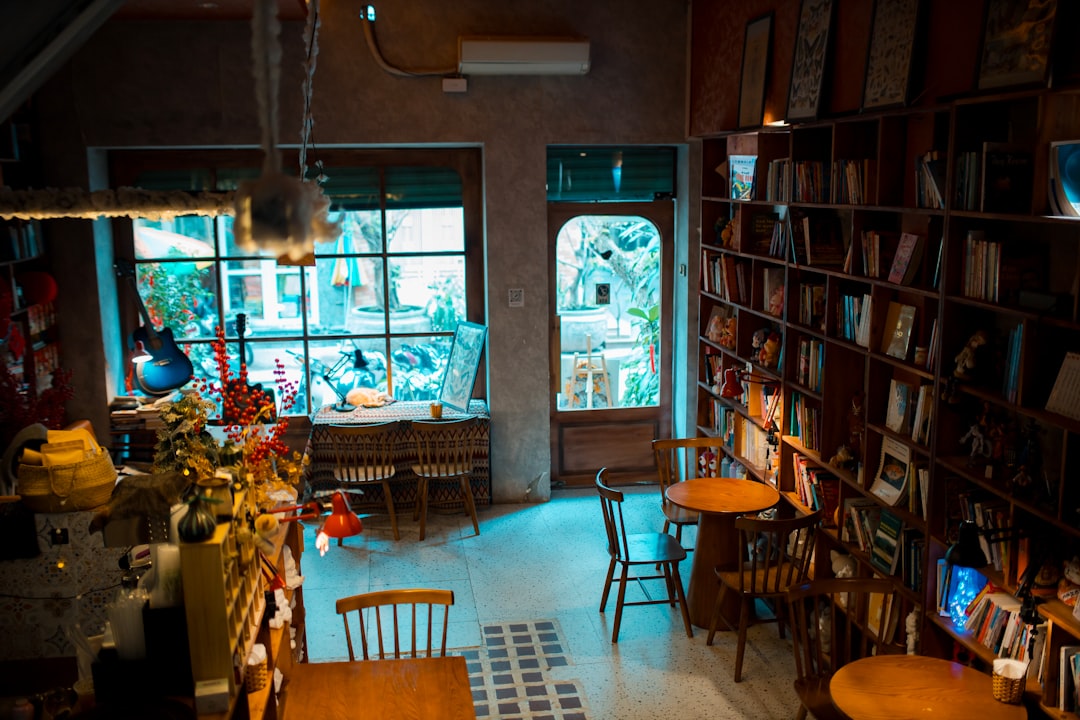
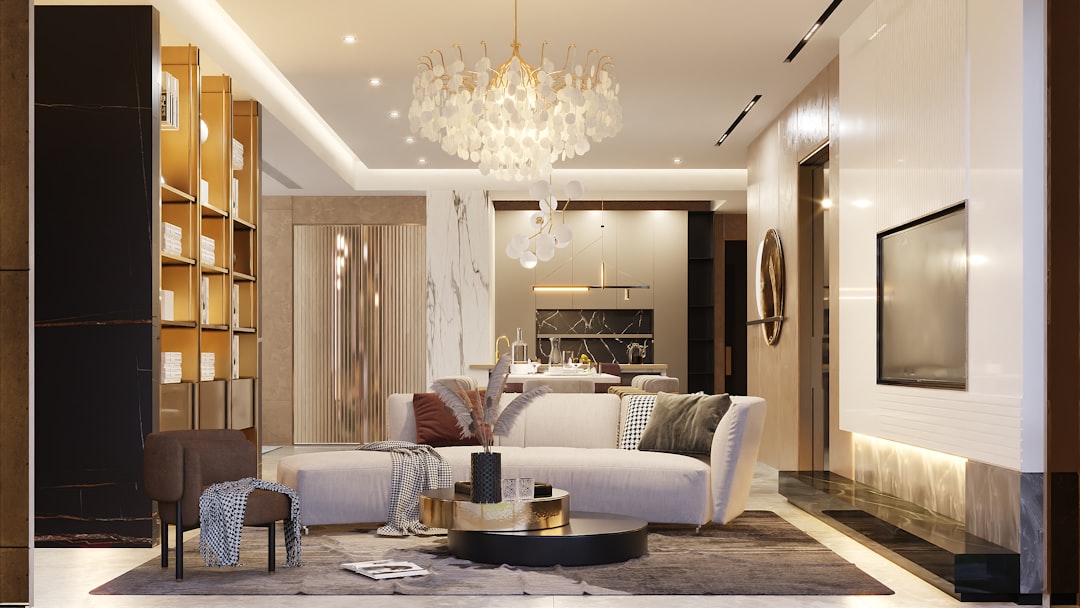
The coffee table you order online rarely matches the one that arrives at your door. Screen calibrations vary wildly, and that warm walnut finish you loved on your laptop can show up as a flat, orangey brown in your Tampines living room. Visiting a showroom cuts through that guesswork. You can run a hand over the grain of a solid rubberwood top, compare the coolness of sintered stone against engineered marble, and see how a matte lacquer catches the light differently than a satin one. It’s the only way to be sure the centrepiece you’re choosing actually complements your existing sofa and flooring. Stability is another thing you can’t gauge from a product page. On the showroom floor, you can test it yourself. Push down on a corner, simulate the weight of a stack of books or a toddler’s hands, and see if the frame wobbles. Many showrooms keep weighted objects on hand for this exact purpose—you can load up a surface to check for any concerning flex in the legs or joinery. That’s crucial for a piece that will see daily use, from morning coffee cups to evening board games. For homeowners in older HDB blocks or irregularly-shaped condos, the real value of a visit lies in discussing custom sizing. A standard 120cm rectangular table might overwhelm a narrow living room, or leave awkward gaps in a curved layout. In person, you can talk through modifying dimensions—shortening the length to 90cm, or opting for a bespoke oval shape that improves circulation. This service isn’t typically available through online configurators, which deal in preset options. Ultimately, a coffee table isn’t just a spec sheet; it’s a physical object you’ll live with for years. Seeing the full range at a Megafurniture showroom lets you assess proportion and presence in a way thumbnails never can. You might find that the dark oak you had your heart set on feels too heavy, while a lighter ash option opens up the space. It’s a practical step that saves the hassle and cost of a return, ensuring your final choice is deliberate, not a surprise. You can explore their current
coffee table collectiononline, then make a trip to Joo Seng or Tampines to confirm your decision.
A solid wood coffee table, especially a live-edge slab, won't fit into a standard lift in many older condos. The delivery crew will likely need to carry it up the stairwell, and that’s where the extra charges begin — similar to the HDB stairwell carry fees you’d expect for a bulky sofa. It’s a critical first check before you commit: measure your lift’s diagonal clearance and compare it to the table’s longest dimension, because that awkward angle is how it’ll get manoeuvred in. For a 150cm rectangular table, you’ll need a lift with a door opening and interior depth of at least 80cm to have a chance.
Self-assembly might seem like a straightforward way to save a few dollars, but it’s a common warranty void for anything beyond a simple four-legged design. Many warranties explicitly require professional installation for tables with complex joinery, hydraulic lift-top mechanisms, or integrated stone tops. A poorly levelled leg or an over-tightened screw can cause stress fractures in materials like marble or engineered wood months later, and you’ll have no recourse. For peace of mind, especially on a centrepiece item, paying for the white-glove service is often the smarter long-term investment.
The industry standard is a two-year structural warranty, but the exclusions list is where you need to read carefully. Glass breakage is almost never covered unless it’s a manufacturing defect proven at delivery. Humidity damage — warping in solid wood or veneer peeling in engineered wood — is typically excluded too, which is a real consideration for homes near the coast or with less consistent air-con. The warranty usually protects against joinery failure or frame collapse, not the everyday wear you’d expect.
Keep the original packaging for at least the return window, if you can manage the storage. That expanded polystyrene foam and double-wall cardboard is specifically designed to protect the corners and surfaces during a reverse journey. Without it, a return for a genuine defect can become a logistical nightmare, with retailers often refusing collection or deducting hefty re-packaging fees. For a large, heavy item, that flat-pack box in your service yard might just be your best insurance policy for a smooth exchange.
The most practical questions about coffee tables rarely appear in a catalogue. They emerge after delivery, when a buyer is staring at a box in the corridor of their Sengkang BTO, wondering if their planning has just hit a literal wall.
Can this table fit through my BTO door? Measure the leaf-gate width—that’s the critical bottleneck, not the main door. For a standard 80cm leaf, a rectangular table longer than 120cm often needs to be tilted diagonally; oval or round designs below 90cm in diameter typically slide through without a fuss.
Glass or wood for resale value? Wood appeals broader. A solid rubberwood or oak table in a neutral finish like light oak or walnut suits both contemporary and Scandinavian schemes, making it a safer bet for future buyers. Glass feels more dated to many, and it shows every fingerprint in a household with kids.
How to maintain marble in our humid climate? You’ll need to seal it quarterly. Singapore’s moisture can stain untreated Calcutta or Carrara marble with water rings; a proper penetrating sealer forms a barrier against spills from teh tarik or afternoon coffee. Wipe up any liquid immediately—don’t let it sit.
Best shape for a 4-seater sofa? An oval saves shins. Its curved perimeter eliminates the sharp corners of a rectangle that constantly bruise ankles in a compact living room layout. The elongated form still provides ample surface area near each seat cushion, making it a clever compromise for form and function.
That sculptural marble table looks stunning in the showroom under track lights, but it’s a different beast in the soft evening glow of your Tampines living room. Before you commit, balance that aspirational pull with a five-year reality check. A neutral, versatile design from a timeless material like solid oak or sintered stone will still feel relevant when your decor shifts; a trendy, brightly coloured lacquer piece might not.
Calculate the cost per use. If you’re spending $1,800 on a table you’ll see and use daily for five years, that’s roughly a dollar a day. That mental math often justifies investing in quality over a $400 alternative that chips or wobbles within a year. The real test is physical: verify the dimensions and tape out the footprint on your floor. A 150cm length can dominate a 4-room BTO layout, leaving narrow walkways that frustrate daily life.
Resale value hinges on two things. First, material integrity—solid wood with minor scratches can be refinished, while laminated particle board with water damage is landfill. Second, a shape and colour that don’t pigeonhole the next buyer. A simple rectangular oak table works in a minimalist Sembawang condo or a cosy Joo Seng shophouse apartment; an irregular, gloss-black form might only appeal to a few.
Ultimately, your centrepiece should earn its keep through daily function and lasting form. Pull the sofa back, mark the floor with painter’s tape, and live with the imaginary footprint for a day. You’ll quickly know if it’s a lasting centrepiece or just a passing infatuation.