In a 4-room BTO or a compact condo, the coffee table often becomes the room’s final organising principle. After the sofa is set, its surface area and footprint dictate how people move; a too-large rectangle in a 90 sqm resale HDB blocks the walkway to the balcony, while a small oval can leave the seating arrangement feeling unanchored. It’s not just a spot for mugs—it’s the functional centre that manages daily clutter, from TV remotes to the day’s mail.
Local humidity quietly dictates what survives. An untreated rubberwood table near a window in Bedok can warp within a season, its drawers sticking in the damp. That’s why sintered stone tops and treated timbers like acacia or teak fare better; they resist the moisture without demanding constant air-con. The material choice, then, isn’t merely aesthetic—it’s a practical defence against Singapore’s climate.
Storage capacity becomes critical when square footage is tight. A lift-top model with a hidden compartment or a design with a lower shelf transforms the piece from a mere surface into a cabinet for board games, extra cushions, or that inevitable stack of magazines. In many homes, this secondary storage is the difference between a tidy living room and one that feels perpetually adrift.
For design-conscious shoppers, the table is the easiest statement piece to swap. A sculptural, irregular design in a neutral condo can introduce visual interest without the commitment of a new sofa, while a classic rectangular piece in a mature Tampines estate grounds more traditional furnishings. Its height, typically between 38 and 45cm, must harmonise with the sofa’s seat depth—a mismatch here makes every reach for a drink feel awkward.
Consider proportion above all. In a 45 sqm condo living area, a 120cm length is often the sweet spot, offering enough surface without dominating the space. You’ll want to leave about 30cm between the table and sofa for legroom, and ensure there’s still a clear path to the kitchen. It’s a balancing act, but when it works, the coffee table doesn’t just sit in the room—it holds it all together.
A lift-top coffee table transforms a simple surface into a functional workspace or dining area. The hydraulic or manual mechanism smoothly raises a section of the tabletop to a comfortable height. This creates a concealed storage cavity perfect for stashing remotes, magazines, or board games. It effectively doubles the utility of the table without increasing its footprint.
Slim, shallow drawers built into the table's frame offer discreet and organized storage. These are ideal for corralling smaller living room essentials like coasters, charging cables, and television guides. The drawer fronts can be designed to seamlessly match the table's aesthetic, maintaining clean lines. This solution keeps items accessible yet completely out of sight.
A lower shelf or series of open cubbies beneath the main tabletop provides versatile, open storage. This space is perfectly suited for storing books, decorative baskets, or throws, keeping them within easy reach. The open design encourages curated displays that contribute to the room's decor. It adds significant storage volume without the visual weight of enclosed cabinets.
A sturdy upholstered ottoman serving as a coffee table often features a hollow interior. The top lifts off or hinges open to reveal a spacious cavity for bulkier items like blankets or pillows. This design prioritizes softness and flexibility while offering substantial hidden capacity. It serves as both a comfortable footrest and a secret storage trove.
A 150-centimetre rectangular coffee table can overwhelm a narrow 3.2-metre-wide HDB living room the moment you try to walk past it. That’s the classic Singapore miscalculation—buyer falls for a beautiful, substantial piece in the showroom, then spends years sidling around it with a tray of drinks. The arithmetic is unforgiving. Start with a standard sofa depth of 90 centimetres, add the table’s own width, and you’re left calculating the walkway. Anything less than 40 centimetres feels like a corridor, and your robot vacuum won’t even attempt it.
For compact living spaces around 12 square metres, like many three-room BTO layouts, you’ll want to consider designs that keep the visual footprint light. Nested tables are a clever solution; you can pull out the secondary tier when hosting, then tuck it away to reclaim floor space. Oval or round shapes under 110 centimetres in length also work well, their curved edges softening the room’s geometry and preventing shin bruises. The goal isn’t to fill the centre of the room, but to punctuate it.
Material choice plays into this perception of scale. A chunky solid wood rectangle shouts its presence, while a sintered stone top on slender metal legs appears to float. Glass tops can visually expand a space, though they demand constant wiping in our humid climate. It’s a trade-off between substance and airiness.
Ultimately, your coffee table shouldn’t be the room’s traffic controller. Test the clearance with a tape measure before you buy—account for the sofa, the table, and that crucial 40-centimetre path to the TV console or balcony door. If the numbers are tight, opt for flexibility; a pair of smaller, movable side tables might serve you better than one imposing centrepiece. Browse options designed for compact spaces at Megafurniture’s collection to see how proportions translate from warehouse to your hallway.
" width="100%" height="480">Coffee table storage capacity: maximizing functionality in small spacesThat lift-top coffee table in your 4-room BTO living room isn't just for show—it’s a second desk for work-from-home lunches and a secure spot to stash the laptop when guests arrive. The mechanism’s quality is critical; a cheap hinge will sag under a ceramic bowl of laksa, and a flimsy top feels precarious for writing. Look for soft-close mechanisms and a stable ledge that locks securely at a comfortable height. It’s a clever solution for multi-use spaces, effectively doubling your surface area while keeping clutter out of sight. Just ensure the internal cavity is tall enough for a stack of magazines or a small tray for TV remotes.
Drawer systems are the unsung heroes for taming the daily detritus that accumulates around the sofa. They’re perfect for corralling remote controls, charging cables, and colouring books away from toddlers’ reach. A shallow, full-width drawer can organise an entire media centre, while deeper versions might hold board game boxes or a few sofa throws. The visual trick is key: a seamless, handle-less drawer front maintains the table’s clean lines, preventing the piece from looking bulky. In many condos, where floor space is premium, this hidden storage is often more practical than a bulky sideboard.
Open shelf bases, especially those over 30cm deep, become a magnet for dust bunnies and forgotten items in Singapore’s humid climate. What starts as a display for coffee table books often devolves into a graveyard for old magazines and vacuum cleaner attachments. They add significant visual weight to a piece, making a small living room feel more crowded than it needs to be. While they offer accessible storage, they demand constant curation to avoid looking messy. It’s a trade-off—easy access versus a perpetual need to tidy.
Assess storage by real volume, not just by looking at a closed cabinet. Can the interior genuinely hold four folded sofa throws, two Monopoly-sized board games, and a handheld vacuum with its attachments? Many buyers are surprised by how little fits inside a stylish, slender-legged design. Measure the internal dimensions and compare them to your actual stash of living room items before committing. This practical step prevents the common disappointment of a beautiful table that’s functionally useless for your needs.
In a 12 sqm HDB living room, a coffee table’s visual weight matters as much as its physical footprint. A solid sintered stone top on a chunky pedestal base can dominate the space, while a glass-top design with slender metal legs appears to float. The storage mechanism contributes heavily to this perception—a bank of drawers reads as heavier than a simple open shelf. The goal is to balance utility with lightness, ensuring the table anchors the seating area without overwhelming it. It’s a delicate design equation that defines the room’s feel.
A soy sauce spill on a marble coffee table in a Tampines condo leaves a faint stain that never quite disappears. Singapore’s humidity is relentless, and a pet’s claws are unforgiving—material durability isn’t just about looks, it’s about survival in a specific climate. Solid hardwoods like teak or acacia handle moisture well; they’re dense enough to resist the ambient dampness that permeates many homes during the monsoon months. Engineered wood options, particularly cheaper MDF or particleboard cores, will swell at the edges over time, especially if placed near a floor fan or an air-conditioner drip line.
If you’ve got cats, the finish matters as much as the core material. A soft wood finish, like an unlacquered pine or oak, will show scratch trails from playful jumps or sharpening claws. A harder, lacquered finish or a textured material like concrete or sintered stone shrugs off those minor assaults. That’s why, in many homes, the choice leans toward surfaces that can withstand both a spilled tumbler and a cat’s midnight zoomies.
Ultimately, the most practical choice for a busy household often balances a resilient top with a sturdy, protected base—it’s about selecting a piece that will still look good after the inevitable spills and scratches, not just on the day it arrives. You can explore materials that meet these criteria in Megafurniture’s collection.
Glass tables offer a clean, modern look but become a daily chore in households with kids or frequent gatherings. Every fingerprint and water ring shows, turning the centrepiece into a constant maintenance project. For those who prefer stone, sintered stone outperforms natural marble or granite here; it’s non-porous, so soy sauce, coffee, or curry won’t seep in. Real marble, while stunning, acts like a sponge for acidic liquids—it’s a commitment to immediate blotting and a dedicated bottle of sealant.
Metal legs or frames need careful consideration too. Powder-coated metal prevents rust in our high-humidity environment, whereas a simple painted or raw metal finish will eventually show corrosion, particularly in ground-floor units or older flats near the coast. It’s a detail that often gets overlooked in a showroom, but becomes obvious after a few years in a Bedok living room.
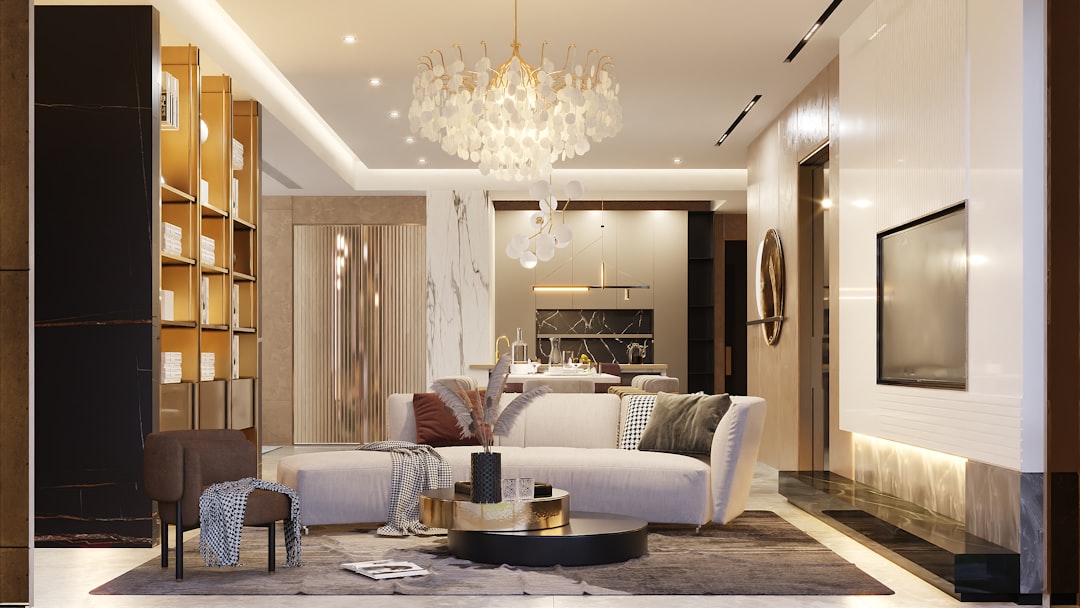
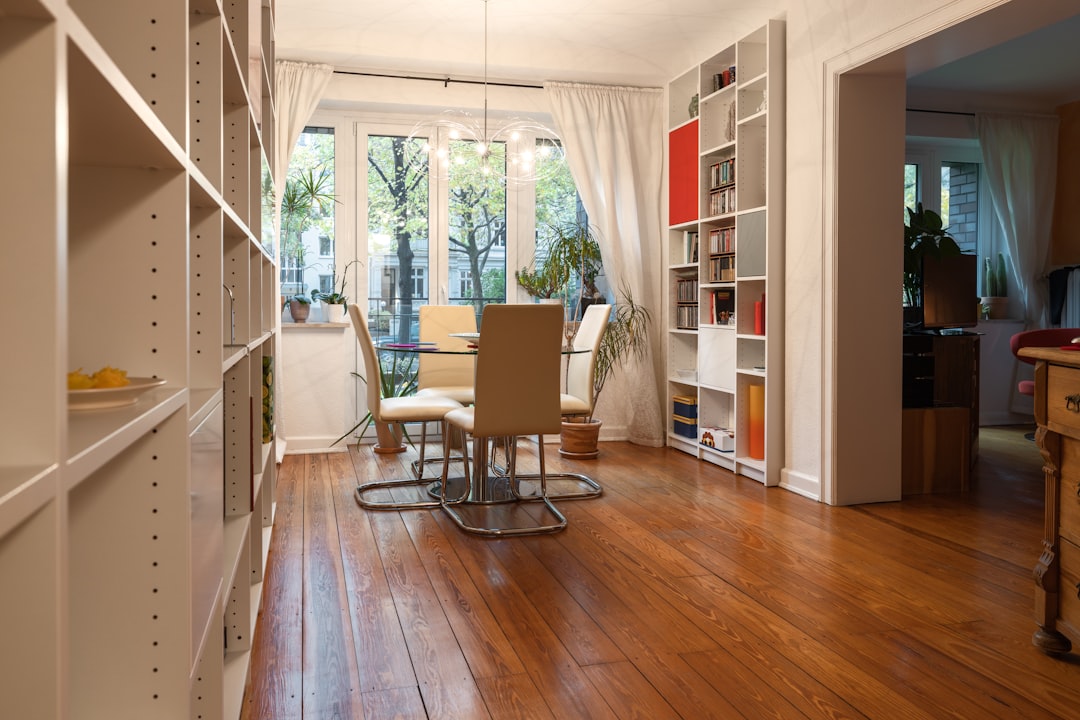
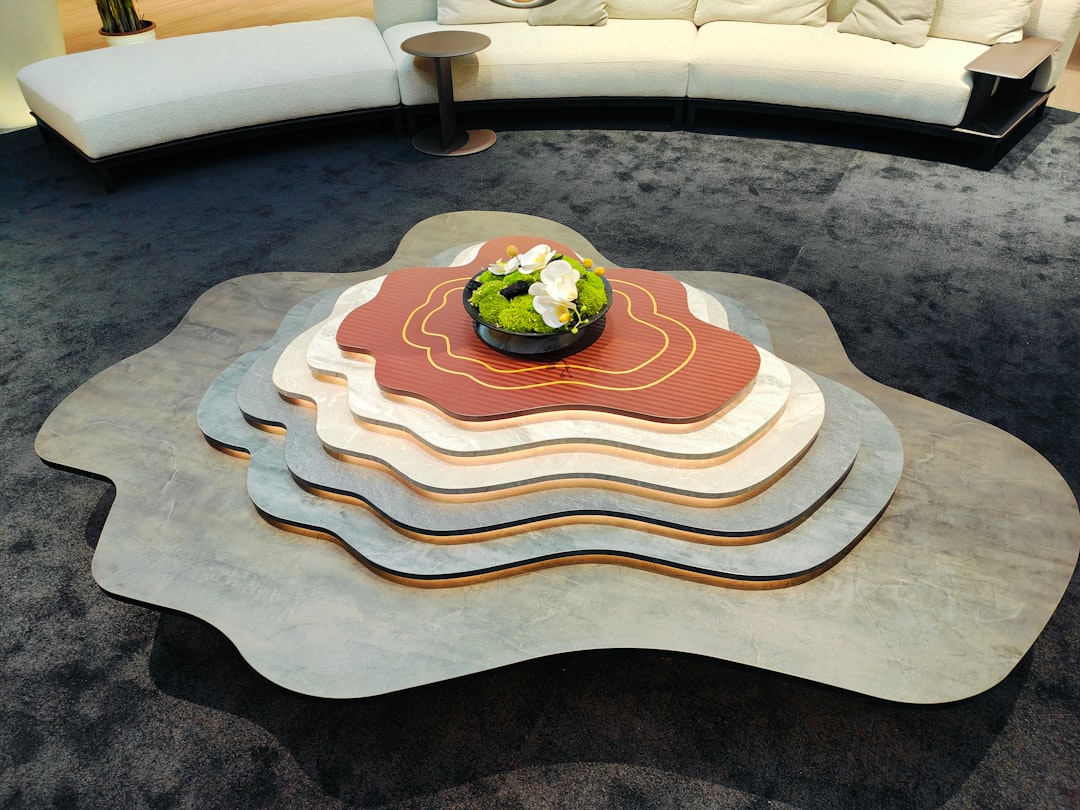
The showroom floor is a dangerous place for common sense. Buyers stand in a vast warehouse, catalogue image in hand, and point at a coffee table that looks perfect in the photograph — a broad, monolithic slab of sintered stone. They forget that the image was shot in a penthouse loft, not a 4-room BTO living room where that same table will dominate the walking path and make the space feel like a showroom itself. Ignoring room proportions is the first stumble; overlooking delivery logistics is the painful fall that follows. A solid wood table, beautifully crafted and 150cm long, might be your dream centrepiece until it reaches your HDB block. Delivery crews often can't manoeuvre such large, rigid pieces past tight lift landings or up narrow stairwells — a reality that leads to costly returns or the grim spectacle of a new table being hoisted through a window. It’s a harsh lesson in prioritising dimensions over desire. Then there’s the romance of materials versus the reality of living. A light-coloured bouclé fabric on an ottoman or a honed marble tabletop might sing in the showroom’s curated light, but in a household with young children or a penchant for weekend curry, it’s a commitment to constant anxiety. In many Singapore homes, a surface that can’t survive a quick wipe-down with a damp cloth becomes a decorative liability, not a functional asset. The final, most common miscalculation is spatial amnesia. You’ll measure the wall for the TV console and the floor space for the sofa, but forget the critical gap between them. A coffee table that’s too deep forces you to navigate around it like an obstacle course every time you sit down; one that’s too shallow leaves your remotes and teacups perpetually out of reach. The ideal distance — typically around 30 to 45cm — is what turns a beautiful object into a useful part of the room’s ecosystem. It’s why a practical, well-proportioned piece from a
collection that understands local constraintsoften outlasts a more dramatic, ill-considered statement. The best centrepiece is one you don’t have to think about after you’ve chosen it.
A coffee table that looks perfect in a product render can feel like a shipping crate in your 4-room BTO living room. That’s why a trip to a physical showroom, like Megafurniture’s spaces in Joo Seng and Tampines, is often the decisive step. You’re not just browsing; you’re conducting a tactile audit. Run a hand along the joinery of a solid rubberwood piece to check for snags, inspect the finish consistency under the showroom lights, and test the smoothness of every drawer glide or lift-top mechanism. Online images can’t tell you if a storage compartment feels flimsy or if the sintered stone top has a cold, substantial heft. Their collections are explicitly sized for Singapore’s common footprints, targeting typical BTO and condo living rooms. This means you’ll find a prevalence of models around 120cm in length and 40cm in height, dimensions designed to coexist with a standard two-seater or L-shaped sofa. It’s a practical curation, but it makes on-site verification even more critical. Bring your floor plan and a tape measure; assess how a 150cm rectangular table actually leaves room for walkways in your Pasir Ris layout, or if a compact oval design creates better flow in a Joo Chiat shophouse. The true test is in the daily interaction. A lift-top mechanism might look elegant online, but you’ll only feel its balance—whether it’s prone to slamming shut or requires two hands—when you operate it yourself. Similarly, the depth and accessibility of hidden storage compartments are immediately apparent. You’re evaluating whether it’s a genuine solution for stashing remotes and magazines, or just a shallow cavity that becomes a clutter trap. This hands-on approach settles the scale issue permanently. You’ll see how the proportions of a chunky, live-edge teak piece command attention in an open-plan condo, while a slender, metal-framed glass table might visually expand a tighter HDB space. It’s about moving from a digital approximation to a physical certainty. For the final selection,
browse the full rangewith your showroom notes in hand.
That imported marble coffee table you’ve fallen for online likely hasn’t even left the factory yet. Six-week lead times are standard for many imported pieces, a reality that can clash with a homeowner’s renovation timeline—if your flooring’s down and your sofa’s arriving next week, you’ll be staring at an empty centre for over a month.
Delivery itself presents its own hurdles. Teams regularly navigate narrow HDB corridors in neighbourhoods like Bedok or Tampines, a tight squeeze for a large, solid wood piece. Always confirm if the item can be disassembled for delivery; a table that arrives in two parts is far easier to manoeuvre than a monolithic slab, and that’s the difference between a smooth installation and a scratched door frame.
Assembly is another checkpoint. For some retailers, it’s FOC, handled by the same two-person crew that delivers. For others, especially with complex designs or heavy stone tops, you might need to engage and pay a third-party handyman separately. Don’t assume; verify the policy before committing, because organising a separate tradesperson adds cost and coordination headache.
Warranties, too, come with fine print that often surprises buyers. They typically cover structural issues with frames or legs—a wobble in the joinery, a split in the solid wood—but rarely extend to surface wear. That means scratches on your engineered wood veneer, water rings on an unsealed timber top, or chips in a sintered stone edge are usually considered cosmetic and your responsibility. It’s a practical distinction that shifts maintenance squarely to the homeowner.
So, before you finalise that sculptural centrepiece, measure your corridor width, ask for the assembly rundown, and read the warranty document line by line. The right coffee table isn’t just about looks; it’s about whether you can actually get it into your living room and keep it looking good.
After the sofa arrives, the practical questions start. They’re rarely about style first, but about how a piece will actually live in a four-room BTO or a compact condo layout.
What height works with a low-seat sofa? Aim for 38–40cm. That keeps the surface comfortably within reach for a drink or a book, maintaining a clear sightline across the room. Too high and it feels like a barrier; too low and it’s simply awkward to use.
Is a round or square table better for a square room? Both can work, but a round table softens the geometry. It’s a classic trick to break up a boxy space, especially in a typical HDB living room where every corner is defined. A square table can anchor the area neatly, though it reinforces the room's inherent lines.
Can it withstand humidity near a window? Only if you choose the right material. Solid, untreated wood will warp here. Opt for properly sealed, treated wood, or better yet, stone, sintered stone, or powder-coated metal. That east-facing window in a Bedok flat gets a surprising amount of morning moisture.
Is a glass top safe with toddlers? Tempered glass is non-negotiable, and rounded corners are a smart precaution. The real issue is the lower shelf, which becomes an instant repository for toys and, inevitably, sticky fingers. A glass table in that scenario is a daily cleaning commitment—something many parents decide isn’t worth the aesthetic.
The difference between a coffee table that works and one that just sits there is often decided in the 15 minutes before you leave the house. You’ll forget the exact width of your sofa’s chaise, or whether you really need space for board games or just the TV remotes. So, write it down. Have your room’s dimensions, your sofa model, and your primary storage need—be it for magazines, blankets, or gaming consoles—on a note in your phone. It’s a simple step that stops showroom dazzle from leading you astray.
Material choice is where that note becomes crucial. Prioritise two options and settle on a backup. For a family-centric 4-room BTO, a sealed sintered stone top might be your first choice for its resistance to juice spills and hot mugs, with a sturdy rubberwood frame as the backup. In a more formal condo living room, your shortlist could be marble or a high-gloss lacquer; the backup, perhaps, is a textured engineered wood that hides dust. This pre-selection focuses your visit—you’re not starting from scratch amid a hundred shiny surfaces.
Crucially, decide your maximum all-in budget before you go, and make it inclusive of delivery to your neighbourhood, whether that’s a walk-up in Joo Seng or a condo in Bedok. Prices for a good 120cm coffee table can swing from around $400 for a simple design to over $2,000 for solid wood or stone; delivery can add another $50 to $150. Knowing your ceiling prevents that painful moment of falling for a piece that’s $300 over, taxes and fees included.
Then, at the showroom, your job is to test function, not just admire style. Open every drawer, even if you saw it glide smoothly online—listen for the sound, feel for the weight. Lift every top on a lift-top model; does it stay put at a comfortable height, or does it feel precarious? Run your hand along the edges of a sintered stone piece to check for the bevel, and knock on the sides of a wooden table to gauge its heft. This tactile investigation reveals the quality that photos never can.
A coffee table is a hardworking piece, and its flaws only become apparent through daily use. That quiet wobble you didn’t notice on the showroom’s perfect floor will announce itself on your uneven HDB tiles. So, take your time. Sit on the floor in front of it, mimic placing a drink, and see if the height feels right with your sofa. The right piece won’t just fill a space—it’ll organise the life happening around it.