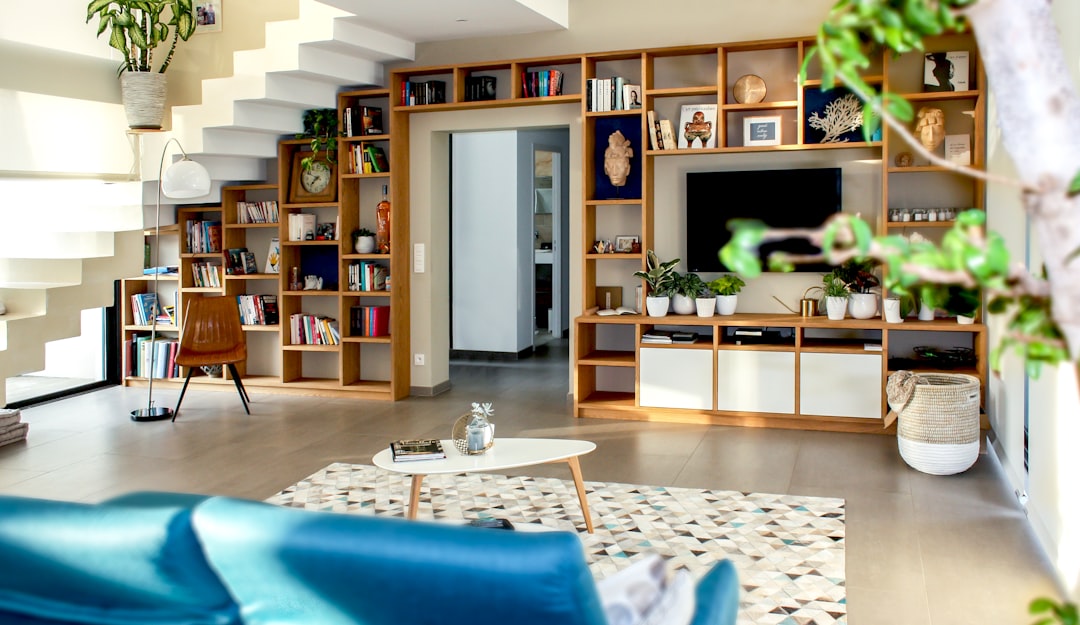
The coffee table that looked perfect in the Tampines showroom often feels like a territorial island once it’s in your 4-room BTO living room. That’s a common misstep — selecting for style first and proportion second. The right dimensions aren't just about aesthetics; they dictate whether you can actually walk to the balcony without stubbing a toe.
Start with your tape measure. For a typical HDB layout, where the distance between sofa and TV console is tight, a length between 90 and 120 centimetres usually hits the sweet spot. It leaves enough room for a traffic lane behind it. Go beyond 150 centimetres, and you’ll overwhelm a 12 square metre space; the table becomes the room’s focal point for all the wrong reasons. Height is just as critical. A 45-centimetre top aligns neatly with standard sofa seat depths, making it a functional surface rather than a decorative obstacle.
Shape plays a subtle but powerful role in compact condos or apartments with irregular floor plans. An oval table, for instance, lacks sharp corners that interrupt flow in narrow walkways — it’s a simple trick that makes a Serangoon North living room feel more organised. Round tables offer similar benefits, though they can sacrifice usable surface area. The rectangular staple works, but only if you’ve got the clearance; it demands a more formal, centred arrangement that many open-plan layouts can’t quite accommodate.
Material choice then builds on this dimensional foundation. A hefty solid wood slab in a small room adds visual weight you might not want, while a glass top can create an illusion of space. It’s a balancing act between presence and practicality. Ultimately, the best coffee table is the one you stop noticing as furniture — it just works, holding your morning kopi and weekend magazines without ever getting in the way.
That first rainy season in your new HDB flat can be a rude awakening. You'll find your beautiful, untreated solid wood coffee table starting to cup and warp, its joints groaning in the 80% humidity—it’s a common story in neighbourhoods from Bedok to Toa Payoh, where the air itself seems to have weight. Sealed hardwoods, like teak or acacia with a proper lacquer or oil finish, fare much better; they resist moisture ingress, though they'll still need occasional conditioning to prevent drying and cracking under the relentless air-con. For a truly low-maintenance surface that laughs off humidity, sintered stone is a standout—it won’t stain from spilled kopi-o, resists heat from a hot bowl of soup, and shrugs off scratches from daily use with a hardness that rivals natural stone.
Glass tops offer a sense of space in a compact living room, but they’re a commitment to the cloth. Every fingerprint, water ring, and speck of dust shows up instantly, demanding near-constant wiping to maintain that crisp, clean look, which can become a chore after the novelty wears off. Paired glass and metal designs are popular for their modern, airy feel, but the metal legs, particularly if they’re just painted mild steel, are a corrosion risk in our climate; powder-coated or anodised aluminium frames are the smarter, if sometimes pricier, choice for longevity.
The real test for any coffee table material isn't just the humidity, but the relentless, multi-purpose use it gets in a Singaporean living room. It’s a dining table for some, a footrest for others, and a landing pad for everything from school bags to laptop chargers. Engineered wood with a melamine laminate can handle this better than solid wood in some ways—it’s more dimensionally stable—but a heavy impact can chip the veneer, revealing the particleboard core beneath in a way that’s almost impossible to repair cleanly.
It’s worth considering how a material will age over five or ten years of this treatment. A sealed wood table will develop a patina of small dents and scratches that some find adds character, while a glossy lacquer or glass will show every flaw. The most pragmatic choice for a busy household might be a thick slab of sintered stone or a quality laminate on a sturdy metal frame—materials that simply don’t have the capacity to develop a patina, for better or worse. You can browse a range of options built for local conditions, from sealed acacia to sintered stone, at Megafurniture’s collection.
You'll spot a cheap solid wood table by its fasteners. Proper construction uses mortise-and-tenon or dovetail joints, not visible screws or staples that loosen with humidity. That's critical in Singapore, where seasonal moisture shifts can warp a poorly assembled frame in a Pasir Ris living room. A well-joined rubberwood or oak piece will last decades, often developing a desirable patina. Budget around SGD 500 to 800 for a decently sized, locally sourced solid wood table. Just don't mistake a heavy top for quality — the real value is hidden in the joints.
Engineered wood is a smart choice for many, but its quality lives in the top layer. A paper-thin veneer chips easily, revealing the unattractive substrate underneath with one careless mug drop. You want a wear layer of at least 0.6mm; press your fingernail against a sample at the showroom to gauge its resilience. The core material matters too — a dense, multi-layered plywood substrate resists warping far better than particleboard. For most local market options, expect to pay SGD 200 to 400, with that price point directly reflecting the veneer's quality and thickness.
Natural stone carries a significant cost, typically two to three times more than its engineered counterparts. A Carrara marble slab for a standard rectangular table can easily push SGD 1,200, before you even consider the base. It's also a commitment — marble requires annual sealing to prevent stains from coffee or fruit juice, a ritual many homeowners forget. The veining is uniquely beautiful, but you're paying for that irregular, organic character. In a household with kids, that premium often goes toward anxiety, not just aesthetics.
Sintered stone, like Dekton or Neolith, offers a convincing marble look without the high maintenance. It's non-porous, so spills wipe right up without sealing, a practical win for busy households. The material is incredibly hard and scratch-resistant, ideal for a table that doubles as a casual dining spot in a compact condo living area. You'll find it in large-format slabs with consistent patterning, which some find less charismatic than real stone. Budget SGD 600 to 1,000, positioning it as a durable mid-point between laminate and natural marble.
For the vast majority of Singaporean buyers, the final decision circles back to that SGD 200–800 range. At the lower end, you're looking at engineered wood with a thin veneer or metal-and-glass combinations; at the upper end, thicker solid wood or quality sintered stone. This bracket covers the core offerings from most retailers, including Megafurniture's collection, which spans simple MDF designs to substantial acacia wood pieces. It's a practical spectrum where material choice directly dictates lifespan — that SGD 300 difference often buys you five more years of daily use.
A premium choice in Singapore, solid teak offers exceptional durability and a classic, warm aesthetic. Its natural oils provide good resistance to humidity, a key consideration for the local climate. While costly, its longevity and timeless appeal can justify the investment for those with a higher budget. This material requires minimal maintenance to preserve its rich color over time.
This is a highly popular and budget-friendly option for Singaporean homes, offering the look of solid wood at a fraction of the cost. The stable plywood or MDF core resists warping better than some solid woods in humid conditions. A wide variety of wood-effect veneers allows for flexible styling to match different interiors. It represents the best value for achieving a stylish look without a major financial outlay.
Tempered glass creates a modern, spacious feel, ideal for smaller living rooms in Singapore by allowing light to pass through. It is extremely strong and safe, as it crumbles into small, blunt pieces if shattered. Pairing a glass top with metal or wooden legs is a common design that balances visual lightness with stability. Maintenance is straightforward, requiring regular cleaning to keep it free of fingerprints and smudges.
An innovative material gaining traction, it offers a contemporary, sleek surface with high durability and stain resistance. These composites are non-porous, making them very easy to clean and hygienic for everyday use. They can convincingly mimic the appearance of natural marble or granite without the high cost or maintenance. This option suits modern minimalist designs and is practical for families seeking a low-maintenance, stylish centerpiece.
That sharp-edged rectangular coffee table looks stunning in the showroom — until buyer gets it home to their narrow HDB corridor layout and realises they’ll be shimmying sideways past it for the next decade. The most common errors here aren’t about material choice, but a failure to measure the room’s actual circulation space and the life that will happen around it. Prioritising a sculptural silhouette over rounded corners is a gamble with young children. A toddler’s forehead meeting a solid wood or sintered stone corner at full tilt is a fast lesson in ergonomics; the same goes for shins connecting with an overly ambitious overhang. Many buyers fixate on the visual statement, forgetting that a living room’s centrepiece is also a de facto play boundary and a frequent leg rest. The material’s hardness and the edge profile matter as much as its colour. Then there’s the logistics. A heavy marble or solid teak table might be a forever piece, but Singaporeans are mobile — future moves to a condo or another flat are likely. Hauling a 70kg stone slab up three flights of stairs because the lift is being serviced adds several hundred dollars to your moving quote, a cost seldom factored in at the point of purchase. Similarly, delivery fees to upper-floor units without lifts can surprise; that $1,200 table suddenly costs $1,500. It’s a classic local trade-off: the desire for a substantial, grounding centrepiece versus the practical realities of compact, multi-purpose spaces and inevitable future transitions. The best choice often sits in the middle — a moderately scaled oval in engineered wood or a lighter sintered stone, perhaps with a radiused edge. You can
, focusing on dimensions and weight specs as closely as you do the finish. Because the right table shouldn’t dictate how you move through your own living room.


A photo of a sintered stone coffee table on a website can look like a smooth, cool slab of marble, but in a Tampines living room you might realise it’s actually a warm, tactile surface that feels closer to polished concrete. That’s the core deception of online shopping for a centrepiece: scale and texture are almost impossible to judge from a thumbnail image. A compact oval design that seems perfect for a 4-room BTO layout might, in person, feel dwarfed by your sectional sofa; an expansive solid wood piece you worried would overwhelm the space could instead anchor it perfectly. Visiting a showroom, like Megafurniture’s at Joo Seng or Tampines, turns those abstract dimensions into concrete reality. You can assess the actual heft of a rubberwood frame or the subtle grain variation in an oak veneer—details that separate a durable piece from one that feels cheap. Testing load capacity isn’t just about stacking books; it’s about placing your full tray of dinner plates on it and seeing if the table wobbles. Surface feel matters too, especially for families: a lacquered finish might repel spills better than a raw, oiled wood one. Their collection spans from these compact sintered stone tops, ideal for tighter spaces, to expansive solid wood designs that serve as a room’s focal point. This range means you can compare materials side-by-side, which is crucial for a final decision. A buyer might love the look of marble but find the maintenance daunting after touching a sealed sintered stone alternative that promises similar aesthetics without the staining anxiety. That hands-on comparison simply doesn’t exist online. It’s that last step before committing—resting your hand on the finish, judging the knee clearance, visualising your TV console beside it—that often clarifies the choice. Budgets between $1,200 and $2,400 for a statement piece demand this confidence. You’ll know if the coffee table’s edges are too sharp for a toddler’s play area or if the metal base’s finish matches your existing shelving. That’s why a trip to
Megafurniture’s collectionoften settles the matter; you move from browsing options to eliminating doubt.
The delivery truck arrives on a weekday morning, and that’s by design. Most suppliers charge a premium for weekend delivery, often an extra $50 to $150, and the same goes for navigating HDB stairwells if your block lacks a lift landing near your unit. For a marble-topped piece, those surcharges can add up quickly. Buyer wants a Saturday drop-off in a walk-up shophouse conversion? That’s typically a custom quote.
Self-assembly is a gamble with anything beyond a basic MDF box. A misaligned leg on a solid wood or sintered stone table isn’t just wobbly; it can permanently stress the joinery or cause hairline cracks in the stone over time. Professional assembly, while an added cost, ensures the frame is square and the load distributed correctly — a non-negotiable for stability when you’re resting your feet on it. It’s the difference between a centrepiece and a hazard.
Warranties are where material choice becomes concrete. Look for a minimum 12-month cover against manufacturing defects. This is crucial for tables with moving parts, like lift-top mechanisms, or for natural materials: a marble slab with a hidden fissure might only reveal itself after a few seasonal cycles. A sintered stone surface should have no such issues, but the warranty is your proof of that claim.
In many homes, the coffee table is the living room’s workhorse. It holds dinners during Netflix binges, gets nudged by vacuum cleaners, and bears the weight of weekend projects. A proper warranty acknowledges that reality, covering the parts that actually move or bear load. Anything less is just a promise that it’ll survive the ride up in the lift.

The glass coffee table is a design favourite in Singapore’s living rooms, its clear surface creating an illusion of space in a 4-room BTO layout. But the first time a toddler takes an unsteady step towards its sharp corners, that aesthetic choice becomes a practical concern.
How to childproof a glass coffee table? Insist on tempered glass, which crumbles into small, blunt pieces rather than shattering into dangerous shards. Then, fit silicone corner guards over every edge; they’re nearly invisible but transform a hazard into a rounded bump.
Best for homes with cats? Avoid soft wood surfaces like pine or rubberwood, which become a scratching post. A sintered stone top or powder-coated metal frame will withstand claws far better, and a textured finish helps hide the occasional mark.
Can a coffee table double as storage? Look for lift-top designs with hidden compartments – they’re a clever solution for stashing remotes, magazines, and board game pieces, keeping the living room organised. Some models even incorporate shallow drawers, though these can limit legroom.
Suitable for outdoor balcony use? Only if it’s specifically treated for the humidity. Powder-coated aluminium won’t rust, and all-weather rattan is designed to resist mould. Anything else, especially untreated wood or ordinary rattan, will deteriorate quickly in our climate.
The tape measure rolled up on your new sofa armrest is a reminder—a sintered stone table that looked perfect online won't fit your 3.2-metre living room if you forget the walkway space for kids and a dog. Revisit those scribbled dimensions against your actual lifestyle; a rambunctious household with high humidity means that beautiful oak veneer might bubble within a year, while a more resilient lacquered engineered wood or sintered stone could handle the chaos. The initial sticker shock of a material like sintered stone, perhaps around SGD 500, often fades when you calculate cost-per-year against a cheaper, less durable option that needs replacing. Balance is everything. You're weighing material longevity against your budget, and sometimes the higher upfront investment is the more frugal long-term choice. That's the pragmatic centre of this final step: aligning what the table will endure with what you're prepared to spend. For a busy family in a Pasir Ris HDB, a scratch-resistant, non-porous surface that wipes clean easily might justify the premium, turning the coffee table from a decorative worry into a functional centrepiece. Before you commit, confirm the practicalities. Check the delivery logistics for your neighbourhood—will they navigate your condo's service lift or the tight stairwell of your Joo Seng shophouse apartment? Scrutinise the warranty terms for coverage on material defects and surface finishes; a solid ten-year guarantee on a solid wood table's joinery is more valuable than a one-year general warranty on a laminate piece. These details, often glossed over in the excitement of choosing a design, are what protect your purchase. Then, make the tactile verification. Visit a showroom to feel the heft of a marble slab, test the stability of a cross-shaped base, or see if the white laminate finish looks cheap under your living room's downlights. Running a hand over the grain of a rubberwood table or tapping the tempered glass of a modern design confirms what pixels on a screen cannot. It's the final, sensory check that bridges the gap between online research and the physical object that will live in your home for years. You can compare textures and build quality in person at Megafurniture's
coffee table collectionacross their showrooms.