The 12 square metre living area of a 4-room BTO flat is a masterclass in spatial calculus. Every centimetre is accounted for, from the depth of the built-in TV console to the arc of the bay window seat. Usable floor space, the real currency here, is what remains after you’ve allocated for a three-seater sofa and the essential 60cm walkway behind it. That often leaves a narrow strip of territory for your coffee table, a zone where a 120cm length isn’t just a suggestion—it’s frequently the physical limit before you’re sidestepping furniture.
Contrast this with a 20 square metre lounge in a newer condo. The space feels expansive, but it’s often an illusion shaped by open-plan design and floor-to-ceiling glass. You’ll still need that same sofa clearance, of course, but the surrounding margins are more forgiving. Here, a table can stretch to 150cm or adopt a more generous oval footprint without dominating the room. The constraint shifts from pure size to proportion and visual weight against the view.
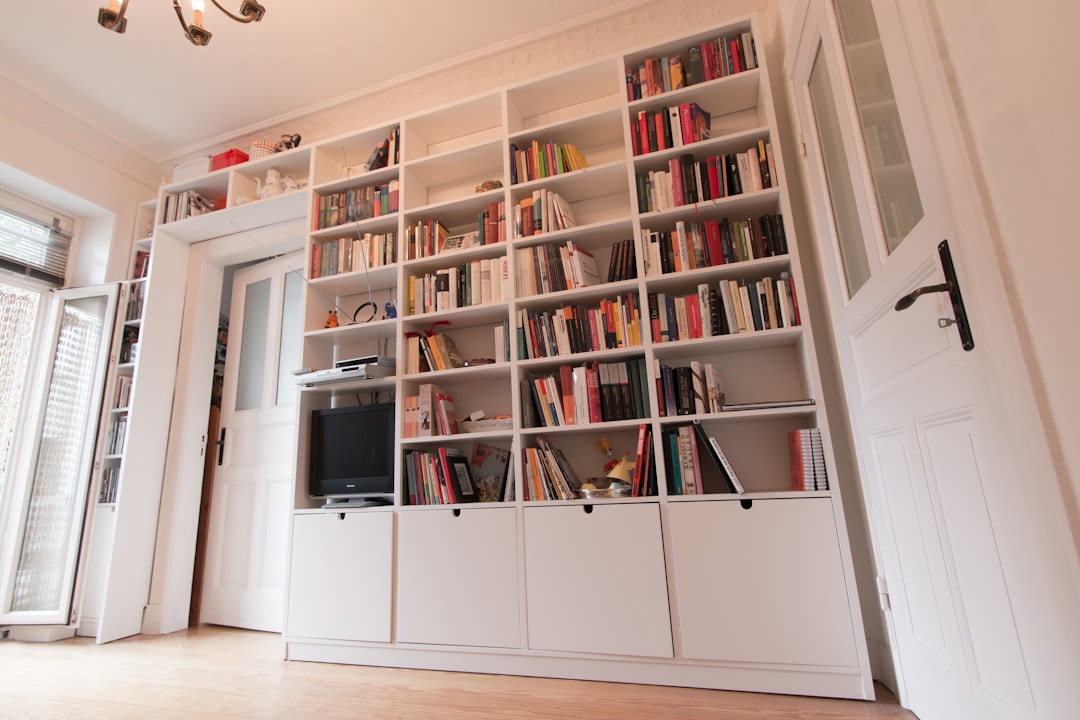
Built-in shelving complicates the arithmetic. In many HDB layouts, a floor-to-ceiling feature wall beside the sofa dictates that any table must sit clear of its protruding base cabinet. This can shave another 15cm off your usable length. Condo living rooms might forgo built-ins entirely, opting for a freestanding media unit that offers more flexibility in table placement—you can always shift it a few inches to the left.
The bay window, that quintessential Singaporean feature, is either a boon or a burden. In a tight BTO layout, its protruding sill might force the sofa forward, stealing precious floor depth and demanding an especially shallow table. In a larger space, it becomes a secondary seating perch; your coffee table then needs to serve both the main sofa and this niche, which often calls for a central, accessible shape like a round or square design.
Ultimately, your table’s context is defined by the leftover space after non-negotiables are settled. Measure that leftover zone ruthlessly, then subtract 10cm for visual breathing room—that’s your true maximum size.
The warping in that solid wood table from your old condo? It’s a standard Singapore story. Our 80% humidity means any timber, solid or engineered, needs careful acclimatisation; solid wood will expand and contract long after delivery, while poorly sealed engineered wood can swell irreparably in a single wet season. That’s why many homeowners now look past wood altogether for their primary living room surface.
For true spill resistance and stability, sintered stone or properly treated MDF are pragmatic choices. Sintered stone is non-porous, so a spilled teh-o or a forgotten condensation ring from a cold glass won’t leave a mark. Treated MDF with a robust, waterproof laminate offers similar protection at a lower price point — just ensure the edges are sealed completely to stop moisture ingress, a common failure point on cheaper pieces.
Consider the edges, too. A sharp, square corner on a low table is a shin hazard for adults and a genuine danger for toddlers learning to walk. Rounded or bevelled corners soften those inevitable collisions, turning a potential hospital visit into a minor bump. It’s a simple design decision that pays off daily in a busy household.
Then there’s the finish. A high-gloss laminate might look sleek, but it’ll show every single swipe from a cat’s claw or the scuff from a child’s toy car. Opt for a textured, matte, or scratch-resistant finish; it hides wear far better and maintains its look for years. The goal isn’t to find an indestructible object, but to select a table whose material and design gracefully accommodate real life — where a coffee table is as much a racetrack or a footrest as it is a place for your cup.
A coffee table drawer that sticks or sags after six months is a daily annoyance. Full-extension, soft-close glides are the non-negotiable sign of a considered design; they allow you to see and reach the entire contents of a deep drawer, which is essential for retrieving chargers or remote controls from the back. You can test them in a showroom by opening the drawer completely — it should feel solid and silent, with no wobble or sudden drop. Avoid any model where the drawer feels flimsy or only pulls out halfway, as that compromises the storage utility you're likely buying it for. In many compact living rooms, that drawer becomes a primary organiser for clutter, so its operation needs to be flawless.
Look underneath. Dovetail or finger joints in solid wood frames indicate a piece built to handle the inevitable bumps and shifts in a humid climate. These interlocking joints are far stronger than simple butt joints glued together or staples hidden by veneer. They resist the twisting that can occur when a table is moved during spring cleaning or when someone inevitably rests their feet on it. That structural honesty is what separates a lasting centrepiece from a disposable item that'll show gaps and wobbles within a year or two.
Fingerprints and water rings turn a sleek metal or lacquered surface into a maintenance chore. An anti-fingerprint coating on metal frames or a robust, moisture-resistant seal on wood finishes isn't just a marketing term — it's what keeps a table in a Tampines condo looking pristine despite daily use. For sintered stone or glass tops, check for a quality stain-resistant treatment. These practical coatings matter more than a trendy colour; a matte black frame that shows every smudge will frustrate you long after its style feels fresh.
Tap the surfaces. A hollow, echoing sound often reveals a hollow-core construction or a wafer-thin veneer over particleboard, which is prone to denting and peeling at the edges in our humidity. Solid wood or a thick, stable engineered wood core provides the heft and durability needed for a table that sees constant use. Thin veneers can bubble or chip when a heavy object is placed on them, and that damage is almost impossible to repair convincingly. You're not just buying a shape; you're buying the material mass that will survive a dropped phone or a spilled cup.
For homes where every socket counts, a clever table integrates the mess. Check the underside or the back of a drawer for built-in cable ports or channels — these allow you to run a laptop charger or phone cable neatly from a nearby floor outlet up to the tabletop. It's a small detail that prevents a tangle of wires from spoiling the clean lines of your living room layout. Without it, you're left with cords dangling over the side or snaking across the floor, which defeats the purpose of a decluttering solution. It’s the kind of thoughtful feature that makes a table work harder in a space-constrained 4-room BTO.
That 150cm rectangular table looked perfect in the showroom, a clean slab of walnut against polished concrete. In a narrow HDB living room, it becomes a blockade—interrupting the natural airflow from the corridor and forcing a sidestep shuffle between it and the three-seater sofa. It’s a classic Singapore miscalculation: buying for the footprint you want, not the circulation space you actually have. A round or oval table around 110cm, or a narrower rectangular design, typically keeps movement intuitive in tighter layouts.
Then there’s the function gap. A pure glass-top table, while feeling airy and modern, has a way of organising your clutter for you. Every remote control, tissue box, and yesterday’s newspaper becomes part of the display, visible through the surface in a messy diorama. It’s why many local buyers now prioritise some form of concealment—a lower shelf, a lift-top mechanism, or even a discreet drawer. This isn’t just about hiding things; it’s about granting visual respite in a compact centrepiece that’s always on show.
" width="100%" height="480">Coffee table storage solutions: Decluttering your Singapore living room (how_to)Material choice often follows a similar trap. Marble’s cool, veined luxury is undeniable, a favourite for that designer magazine look. But its porous nature is a permanent risk with daily life; a single spilled kopi-o or a forgotten condensation ring can etch a stain that no amount of baking soda paste will fully lift. For households that actually use their living room, sintered stone or a high-quality laminate offers a similar visual weight without the anxiety, repelling spills and heat with far less fuss.
The goal is a table that works with the room’s rhythm, not against it. That means measuring the clear walkway you need—often at least 60cm—before falling for a statement piece. It means weighing a material’s maintenance against your household’s habits. And it almost always means factoring in storage, because in a 4-room BTO, surfaces have a gravitational pull for everyday detritus. Getting these basics right lets the design shine, rather than becoming a daily reminder of a planning oversight.


The drawer on the solid rubberwood sideboard glides shut with a soft, satisfying thud that you simply can’t gauge from a product photo. That’s the core reason to visit the Joo Seng or Tampines showrooms: to assess the physical heft and mechanical action of Megafurniture’s 40-plus coffee table designs before committing to one in your living room. Online specs list dimensions and materials, but they won’t tell you if the engineered wood veneer feels paper-thin at the edges or if the sintered stone top has an unexpected chill that might bother bare feet. You’ll want to test drawer and door action repeatedly. A coffee table with storage is useless if the mechanisms stick or feel flimsy after a few months; in a compact 4-room BTO layout, that piece gets opened daily for remotes and charging cables. Run your hand along the finish, checking for consistency where the tabletop meets the legs—a rough seam or colour mismatch is a sign of poor assembly, and it’ll catch the light in your centrepiece. The weight of the piece matters, too; a too-light marble-look table might skid across your polished porcelain tiles every time someone bumps it. Pay special attention to models with integrated power outlets, a feature increasingly common in local showrooms. Plug in your own phone charger to test the socket’s grip and see if the cable routing is tidy. It’s a clever solution for Singapore’s device-charging needs, but you’ll want to ensure the USB ports are updated to fast-charging standards and that the table’s scale still works with your sofa. A table crammed with tech can look overly busy, defeating its purpose as a calming centrepiece. Finally, judge proportion with your own body. The standard 38–45cm height is a guideline, but your sofa’s seat height dictates comfort. Sit on the showroom sofa, mimic reaching for a drink, and see if the tabletop feels a strain. For rectangular designs around 120cm long, visualise it in your space—will it dominate a narrow HDB living room or get lost in a condo’s open-plan area? That tactile evaluation, from drawer glide to perceived scale, turns a catalogue item into a considered purchase. You can start that assessment by browsing
Megafurniture’s collectiononline, but the final call should happen in person, with your hand on the actual finish.
That flat-pack crate won't fit past your riser door, and the delivery team won't wait while you measure. Singapore's delivery reality is one of tight lift landings and narrow corridors; before you click 'buy', confirm the disassembled dimensions of the box itself. Many HDB lift lobbies can't accommodate a long, flat panel beyond 180cm, so a 150cm table might arrive in a box that's 165cm long—a critical detail that turns a smooth delivery into a costly stair-carry fee.
Self-assembly is a weekend gamble. For a basic four-legged table, it's manageable. But for anything with integrated hydraulic lift mechanisms or complex drawer slides, the risk of misalignment is high. One misaligned hinge on a soft-close drawer will haunt you for years; it's worth the extra $80 to $150 for professional installation, especially since many retailers bundle it with delivery.
Then there's the warranty. In our humidity, laminate edges can swell within a year, and drawer mechanisms bear the brunt of daily use. A one-year warranty is essentially a manufacturing defect cover; you'll want at least three to five years on moving parts and surface integrity. Scrutinise the fine print: does 'warranty' mean a replacement, a repair voucher, or a technician's visit? Some policies prorate coverage, which isn't much help when a drawer front falls off in year four.
Look for clear terms on material response to environmental conditions—it's the difference between a manufacturing flaw and what they'll call 'wear and tear.' A good warranty acknowledges that a coffee table in a Tampines ground-floor flat faces a different climate reality than one in a high-floor condo in Tanah Merah.
Finally, keep your delivery slip. That dated proof of receipt is your only ticket for any claim, and without it, even the most comprehensive warranty is just a PDF.

The perennial question in a 40 sqm studio is whether a coffee table can truly replace a dining surface. It can, but you’ll need to be exacting about dimensions. A typical 90cm long table leaves little room for a plate and laptop; opt for a 120cm rectangular design in a durable material like sintered stone, which pushes the height to around 45cm for a more comfortable dining posture. Pair it with floor cushions or a low bench—that 42cm seat height sofa you mentioned is actually a perfect match—and you’ve got a functional, space-saving eating nook that doesn’t feel like an afterthought.
Childproofing a glass top is less about the glass and more about the edges. Tempered glass is non-negotiable for safety, but the real hazard for toddlers is a sharp, unforgiving corner. Look for designs with rounded corners or a substantial bevel, or consider a protective silicone edge guard that blends with the frame. A low-profile, oval-shaped glass table on a sturdy wooden base eliminates corner risks entirely and is easier to keep clear of sticky fingerprints.
Lift-top mechanisms promise hidden storage and a raised work surface, but their practicality hinges on daily use. A poorly engineered hinge feels flimsy within months, and the cavity often becomes a graveyard for remote controls and old magazines. If you’re committed to the idea, test the mechanism in person—the action should be smooth, one-handed, and the top must lock securely when raised. For many, a simpler design with a lower shelf or a set of woven baskets underneath proves more honest and less fuss.
Matching height is straightforward: aim for your coffee table surface to be level with or slightly lower than your sofa’s seat cushion. A 42cm seat height pairs best with a table around 38–40cm tall; that slight differential makes reaching for a drink feel natural without forcing you to hunch over. It’s a small detail that separates a showroom centrepiece from a lived-in, functional piece in your Tampines or Bedok living room.
Opt for an ottoman-style coffee table with a lift-top lid to reveal deep, hidden storage. This design is perfect for stashing away bulky items like spare blankets, board games, or magazines in an instant. The cushioned top also doubles as extra seating or a footrest, maximizing functionality in compact Singaporean living rooms.
Choose a table with one or more open shelves or a lower shelf tier to keep essentials organized and accessible. This setup is ideal for displaying decorative items on top while storing coffee table books, remote controls, or small baskets below. It helps maintain a tidy surface by providing a dedicated home for everyday clutter.
Utilize a set of two or three nesting tables that can be tucked neatly underneath each other when not in use. This allows you to expand your surface area for entertaining guests or separate snacks and drinks, then consolidate to free up floor space. Their slim, stacked profile is a smart solution for maintaining an open, uncluttered feel in smaller rooms.
Select a coffee table featuring discreet drawers to conceal smaller living room items from view. Drawers are excellent for corralling items like coasters, charging cables, TV guides, and stationery that often create visual mess. This keeps your tabletop clear for its primary purpose while ensuring necessities are still within easy reach.
Incorporate stylish trays or low-profile baskets directly on or under your coffee table to group loose items. A large tray can centralize remotes, candles, and decor, defining the space and preventing sprawl. Slender baskets that slide underneath are perfect for storing children's toys or knitting supplies, making cleanup quick and effortless.
The sculptural coffee table that looked perfect in the showroom often becomes a useless island in your living room, surrounded by a moat of weekday clutter. Its striking silhouette is defeated by a pile of school worksheets, a laptop charger, and three remotes with nowhere to go. That’s the final, practical reckoning: any statement piece must first serve the unglamorous volume of your daily life.
Start by auditing your sofa’s footprint and the typical debris field. For a standard three-seater in a 4-room BTO, measure the space between it and the TV console—you’ll need a table around 120cm long to reach everyone. Then, tally the actual items: a 14-inch laptop, a couple of Primary 5 textbooks, a supper tray for two, and the inevitable remote controls. A table with a single shallow drawer won’t cut it; you need dedicated cavity space that matches that total volume, or open shelving tall enough for those books to stand upright.
Material choice is about cohesion with your existing floor. A light oak table on dark homogeneous tiles can look disjointed, like an afterthought. Instead, pick a finish that complements or intentionally contrasts; a warm walnut top over terrazzo-style flooring creates a rich, layered effect, while a honed sintered stone surface can mirror the cool grey of polished porcelain. The finish must also withstand spills from kopi and condensation from ice lemon tea—engineered wood with a good laminate or sealed stone are pragmatic favourites.
Ultimately, the sculptural element shouldn’t sacrifice function. That irregular organic shape must still provide a stable, flat zone for a tray, and its design should incorporate a discreet well or surface lip to corral those remotes. It’s a centrepiece, not a museum piece; if it can’t hold the controller for the ceiling fan, the StarHub box, and the air-con, it’s merely sculpture.