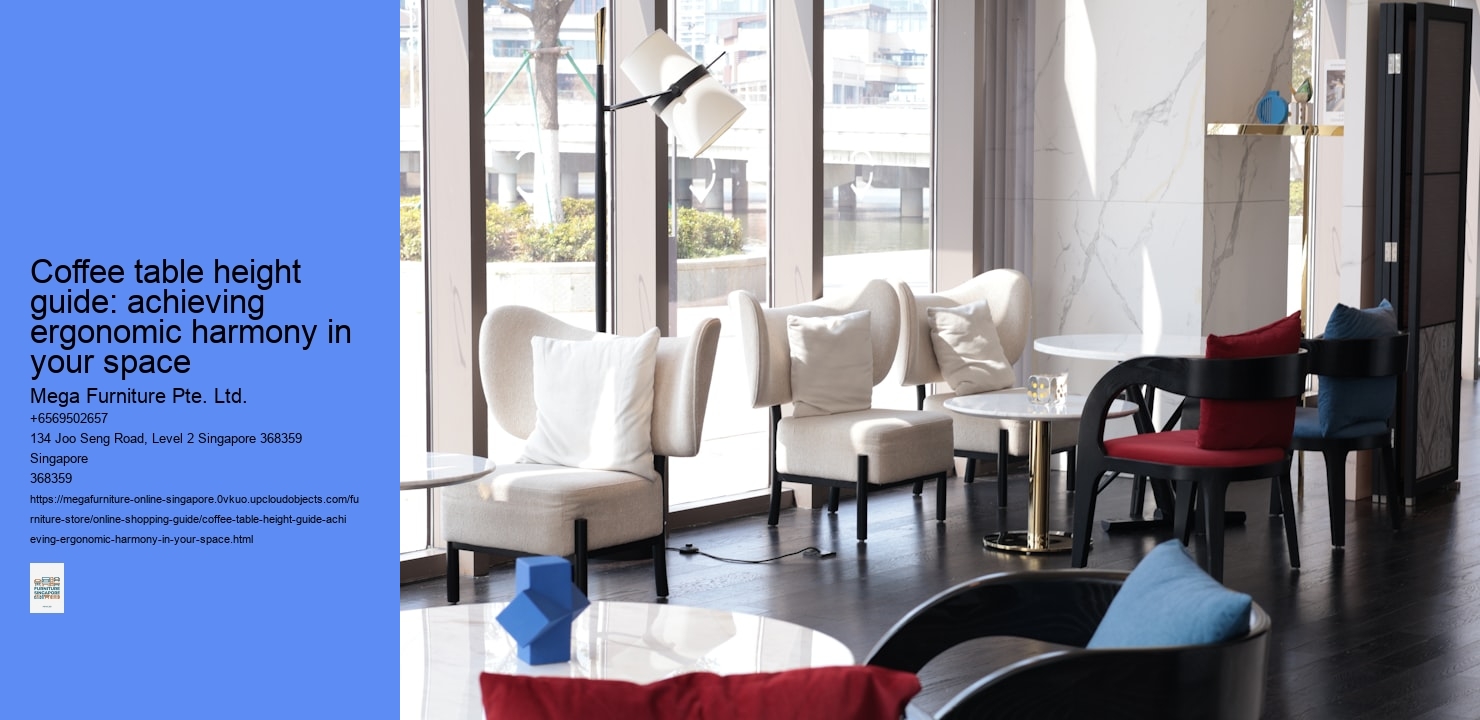
That moment you lean forward for a drink and your kneecap meets solid wood isn't just annoying—it's a sign your coffee table height is off. In the typical 3.5 to 4.5-metre HDB living room, every centimetre counts, and the table's height directly dictates your posture. Get it right, and the living area feels organised; get it wrong, and you’ll feel the strain by the end of a movie marathon.
The sweet spot for most local set-ups sits between 40 and 42 centimetres. This range aligns with the standard 45-centimetre seat height of a typical three-seater sofa, creating a comfortable plane for your forearms. It prevents that awkward, hunched-over reach for a magazine or your phone, and it absolutely stops your shins from getting bruised. Many homeowners don't realise how much this dimension matters until they've lived with a table that's a few centimetres too tall or too low for a year.
A common source of fatigue, surprisingly, is using a table built for a different purpose. That off-shore dining table height—usually around 75 centimetres—forces you to lift your elbows and shoulders constantly while seated on a low sofa. You might adapt for a week, but it'll make your living room feel like a temporary cafe, not a centre for relaxation. The ergonomics are simply wrong for the activity.
Your choice of material and shape plays into this, too. A heavy, rectangular solid wood table at the wrong height is a permanent obstacle, while a lighter, oval sintered stone design at 41 centimetres can feel almost intuitive. It's not just about aesthetics; it's about how the piece functions in the tight geometry of your space. For those measuring up, it’s worth browsing a comprehensive collection to see how these ergonomic principles translate into real designs.
That first bead of condensation on a cold glass, left on a table for five minutes, is the real test. In a climate where humidity rarely dips below 80%, material choice isn't just about aesthetics—it's a matter of structural integrity. Solid wood, for all its charm, is a gamble in many non-air-conditioned living rooms; the seasonal expansion and contraction that gives it character in temperate climates leads to warping and stubborn drawer jams here. Engineered wood, with its cross-layered plywood core and veneer finish, offers far greater stability against the relentless moisture, making it a pragmatic favourite for a long-term centrepiece.
For tabletops, the priority shifts from warping to staining. Gloss-finish sintered stone is practically impervious to coffee rings and wine spills, its non-porous surface wiping clean with a damp cloth. Sealed marble offers a similar defence, though it requires a yearly reapplication of sealant in high-traffic homes—a small trade-off for that distinctive veining. In compact spaces, like a 4-room BTO living room where every piece needs to earn its footprint, a tempered glass top can visually open up the area, preventing the furniture from overwhelming a 12 sqm floor plan.
The often-overlooked vulnerability is the metal. Slim, powder-coated legs are a common sight, but that coating needs to be factory-applied and thorough; a thin spray from a local workshop won't hold up against the salt air in Marine Parade or the constant damp in Bukit Timah. When you're evaluating a piece, check the undersides of legs and the interior of welded joints—any exposed metal will bloom with rust in a season, a sure sign the piece wasn't engineered for our environment.
It's a balance between the statement you want and the resilience you need. A live-edge teak slab might look stunning in a showroom, but it'll likely develop a persistent musty smell in your ground-floor condo. That's why browsing options from a retailer that understands local conditions, like Megafurniture's collection, can streamline the decision; their engineered wood and treated metal frames are typically specified for regional use. You're not just choosing a shape or a colour—you're selecting how that piece will weather the next five years of afternoon thunderstorms and perpetual damp.
Those 3-metre wide HDB resale corridors demand careful table selection. An oval or round shape under 90cm long prevents the space from feeling pinched, letting residents move freely around the edges. It’s a common compromise; you’ll sacrifice some surface area for that crucial clearance. A sintered stone top here resists the inevitable bumps from passing elbows, while a lighter timber finish keeps the visual weight down. This isn’t about a grand statement piece — it’s about avoiding a daily obstacle course.
Newer BTOs with their deeper 4-metre living rooms can handle a more substantial anchor. A 120cm rectangular table becomes the functional centre of gravity for the space. It provides ample room for board games, project work, or a proper tea spread without dominating the entire area. The longer lines naturally complement the room’s proportions, creating a grounded, organised feel. Many homeowners pair this with a lower-slung sofa, maintaining that ergonomic harmony between seating and surface height.
Condo layouts often blur living and dining zones, requiring furniture that adapts. Nesting tables or a design with integrated storage becomes almost essential. One part can slide under the sofa as a side table, the other pulled out for entertaining. That hidden compartment stashes remotes and magazines, countering the limited built-in storage in many open-plan condos. It’s a practical concession to form, where every piece must earn its floor space.
The choice between round, oval, and rectangular isn’t just aesthetic — it dictates flow. Round tables soften a room’s geometry and are inherently safer for young children navigating tight corners. Oval offers a similar fluidity but provides more usable surface along its length. Rectangular shapes define a space formally, often aligning with the sofa and TV console. Your room’s traffic patterns should guide this decision more than any passing design trend.
Getting the scale right prevents the table from looking like an island or a postage stamp. The table’s length should typically be around two-thirds the length of your sofa for visual balance. Height is just as critical; a 40cm table against a 45cm sofa seat height creates a comfortable reach. That 5cm differential might seem minor, but you’ll feel it every time you set down a drink. It’s the kind of proportional maths that separates a harmonious room from one that just feels slightly off.
A 120-centimetre rectangular coffee table might look perfect in a Tampines showroom, but in a 12 sqm HDB living room, it becomes a permanent obstacle course. Buyers often prioritise visual presence over walking space, forgetting that a clear path from the sofa to the TV console is a daily necessity, not an afterthought. The result is a constant negotiation with shins and a living area that feels perpetually cluttered, even when it’s tidy.
Perhaps the most frequent misstep is choosing form over a table’s fundamental duty. An irregular, artful design might be supremely Instagrammable, but if it can’t reliably hold a supper tray, a stack of coasters, and three remotes without things sliding off, it’s failed its primary function. Daily life in a Singaporean living room involves snacks, charging cables, and the occasional stack of mail—these items demand a stable, accessible surface, not a precarious sculpture.
Ultimately, the best coffee table for a local home isn’t the one that stops conversation when guests arrive—it’s the one you stop noticing because it works so seamlessly. It holds your things without fuss, guides traffic instead of blocking it, and suits the reality of your household, not just the fantasy of a mood board.
Another common oversight involves sharp corners in homes with young children. A sleek, angular design in sintered stone or solid wood might anchor the room’s aesthetic, but its unforgiving geometry poses a real hazard for toddlers just finding their feet. It’s a classic trade-off: that sculptural statement piece you fell for at the Joo Seng showroom versus the soft, rounded oval that offers peace of mind during playtime. The latter rarely inspires regret.
The allure of a dramatic centrepiece is understandable, especially when you’re refreshing a space. But utility quietly wins the long game. A slightly smaller, round-topped table in a durable engineered wood or a textured metal finish can still make a visual statement; crucially, it also organises your living instead of complicating it. You can browse a range of options that balance design with daily pragmatism at Megafurniture’s collection.


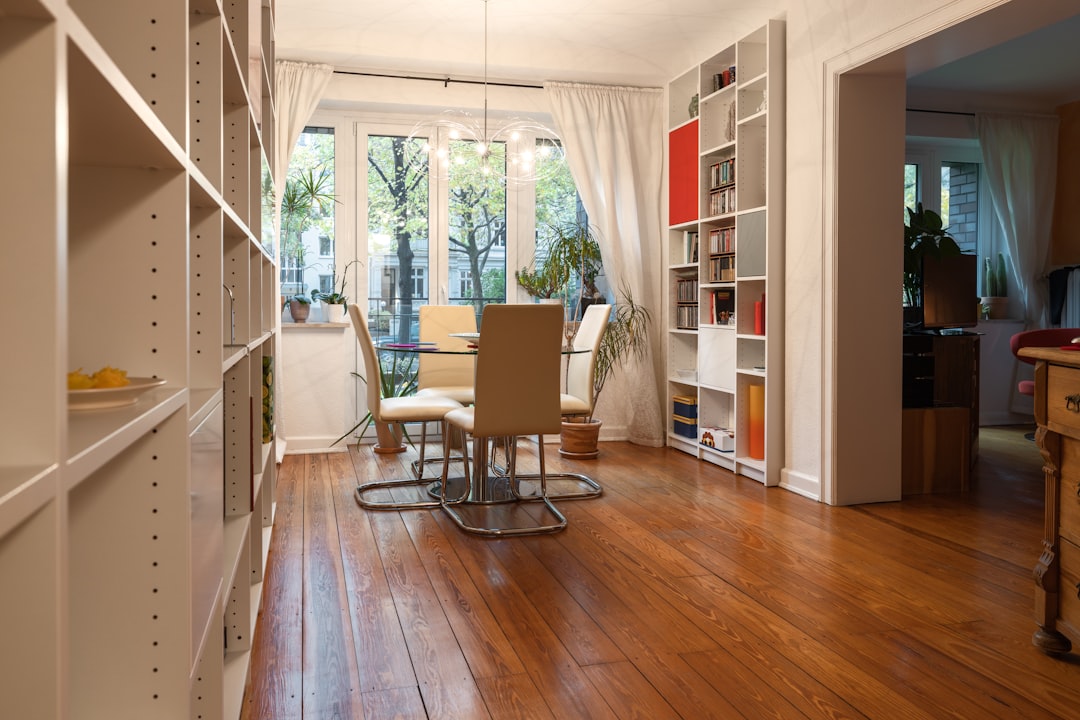
A solid wood coffee table in a Tiong Bahru shophouse flat might look perfect for a year, then start wobbling because its joints can’t handle the humidity. That first wobble is rarely about the wood itself—it’s about how the pieces were joined together.
Look for dovetail or mortise-and-tenon joinery on drawers or leg-to-frame connections; these interlocking wood joints handle stress and seasonal expansion far better than simple staples or glue. For engineered wood tables, which are common in the $300 to $800 range, check that all edges are properly sealed with a durable edge banding. This isn’t just cosmetic—it’s a critical barrier that stops moisture from seeping into the particleboard core and causing the dreaded swell. A raw, unfinished edge on an MDF shelf is a red flag, signalling a build that’s cut corners where it matters most.
Warranty terms offer a clear signal of manufacturer confidence. A standard warranty covering structural defects typically runs 12 to 15 months, which is enough time for any fundamental flaws to reveal themselves. A table backed by a three or five-year warranty suggests the maker trusts the materials and construction to last; it’s a sign they expect you to be rearranging decor on it long after the warranty expires, not filing a claim. Always read the fine print to see what ‘structural defect’ actually covers—wobbles from poor joinery should qualify, while surface scratches from daily use won’t.
This scrutiny pays off with a piece that remains a stable centrepiece. You’ll want a table that survives the accidental coffee spill, the humidity shifts between monsoon seasons, and the weight of a stack of design books without complaint. It’s the difference between a purchase and an investment.
The standard height for a coffee table is typically between 16 and 18 inches. This range is designed to align with the seat height of most sofas, which is about 18 inches. Maintaining this proportional relationship ensures easy access to items on the table's surface. It creates a foundational layer for visual and functional harmony in your seating area.
For optimal ergonomics, your coffee table should be approximately 2 inches lower than the seat cushions of your sofa. This specific differential prevents a cramped feeling for seated users when they reach forward. It allows for natural arm movement and comfortable interaction with the table. This simple guideline is key to achieving a seamless and user-friendly living space.
The coffee table's height should be considered in direct proportion to your primary seating. Low-profile, modern sectionals often pair best with tables on the shorter end of the spectrum. Conversely, taller, more traditional seating may call for a slightly elevated table surface. This proportional scaling ensures the table feels integrated, not disconnected, from its surrounding furniture.
The material of your coffee table significantly influences its perceived height and presence. A solid wood or stone table can anchor a space visually, even at a standard height. Glass or acrylic tables offer a lighter feel, making them ideal for maintaining sightlines in smaller rooms. Your material choice directly impacts how the table functions as a cohesive design centrepiece.
A properly scaled coffee table height actively defines the intimate zone for conversation. It establishes a shared surface that brings people together physically and visually. When correctly positioned, it fosters a natural gathering point without creating a barrier. This transforms the table from mere furniture into the functional heart of your living area.

The final online image of a marble coffee table rarely matches the slab in your living room. You’re left guessing at the veining’s true colour, the finish’s actual feel, and whether that 42-centimetre height creates a comfortable reach from your specific sofa. This is precisely why a showroom visit is non-negotiable; you can’t assess heft, stability, or material nuance through a screen. At Megafurniture’s Joo Seng and Tampines showrooms, you’ll find tables set against mock sofa setups. You can test if a 40cm table forces you to hunch over, or if a 45cm one becomes a shin hazard in a tight walkway. Run a hand over the solid rubberwood top to check for rough edges, press down on a sintered stone surface to gauge its solidity, and feel the difference between a cool, polished marble and a warm, oiled walnut. That tactile proof is everything — a glass top that looks elegant online might feel insubstantial and ring hollow when you tap it. Their collection is calibrated for local spaces, which means you’re looking at pieces scaled for 4-room BTO living rooms or compact condo layouts. You’ll see how a 120cm rectangular table actually fits in a defined area, or how a round, sculptural design can soften a boxy space. It’s the difference between a piece that merely fits and one that belongs. You’re not just buying a table; you’re committing to a centrepiece that will gather daily wear from coffee mugs, remote controls, and occasional feet. Seeing the grain up close, testing drawer glide under load, and confirming the legroom clearance makes the decision concrete. For a considered purchase like this, where proportion and finish are paramount, a hands-on visit settles the debate that online browsing can’t. Start your assessment at Megafurniture’s
coffee table collection.
The most common complaint about a new coffee table isn't about its looks—it’s about the delivery crew struggling to pivot it around the ninety-degree turn into your lift lobby. That’s a standard feature in many HDB blocks, and it’s why professional two-person assembly isn't a luxury here; it’s a logistical necessity. A solid wood or sintered stone slab, often over 120cm long, simply won’t navigate narrow corridors and tight landings on its own. You’re not just paying for someone to turn an Allen key; you’re paying for their experience in manoeuvring bulky items through Singapore’s unique built environment.
Confirm delivery schedules directly, especially if you’re planning for a weekend. Some town councils require permits for large-item deliveries on Saturdays and Sundays, a rule that catches many buyers by surprise during their renovation timeline. It’s worth the extra call to your managing agent—getting that sorted upfront prevents your new centrepiece from sitting in the lorry bay while you scramble for approval.
Once inside, the real work often begins. A surprisingly high number of living rooms have uneven floors, a legacy of renovation screed that wasn’t perfectly levelled. A professional installer will handle this final adjustment, using shims under the table legs to eliminate any annoying wobble. That final tweak is what transforms a piece of furniture from something that just arrives to something that feels permanently, solidly part of your home. It’s a small detail that makes all the difference when you place a drink down and it doesn’t rock.
Consider after-sales support in your purchase decision. A good retailer will offer a clear warranty on structural elements like table legs and frame integrity, which matters for heavily used tables in family homes. For materials like marble or glass, check the policy on handling accidental stains or chips—because life happens, especially in a space meant for gathering.
After you’ve measured your sofa seat height and browsed a dozen online galleries, the practical questions start to surface — they’re the same ones we hear in showrooms from Tampines to Joo Seng. Singaporean shoppers, particularly those in 4-room BTO flats where every centimetre counts, want specifics that move beyond aesthetics. They’re balancing ergonomics with kid-friendly durability and realistic delivery timelines, often while standing in a living room that’s already half-furnished.
How high should a coffee table be for a 46cm sofa? Aim for 40 to 41 centimetres. That two-to-three-inch differential is the sweet spot; it lets you reach for a teacup without hunching your shoulders, and it keeps the sightline clean when you’re watching TV from that new sectional. Going much lower turns the table into a decorative plinth you’ll constantly strain to use.
Is a marble coffee table suitable for households with kids? It can be, but only if the marble is professionally and regularly sealed against spills and acids from fruit juice. For most families, sintered stone is the smarter choice — it mimics marble’s veining convincingly while offering near-zero porosity and remarkable scratch resistance. A sealed marble table in a home with toddlers becomes a maintenance project, not a centrepiece.
Can a coffee table be higher than the sofa seat? You’ll want to avoid that. A taller table forces your wrists into an awkward, bent position when you’re typing on a laptop or setting down a glass; it’s a subtle strain that becomes noticeable over an evening. The table should serve you, not dictate your posture.
What’s the average lead time for a coffee table? For imported items, especially solid wood or stone pieces, expect four to eight weeks. Local stock or engineered wood options can ship faster, but if you’re eyeing a specific travertine finish or a custom oval shape, factor that buffer into your renovation schedule. It’s the final, logistical question that often decides the purchase — you can visualise the perfect table, but you still have to live without it for a while.
" width="100%" height="480">Coffee table height guide: achieving ergonomic harmony in your space
It’s a common scene in a BTO living room: a beautiful new coffee table arrives, only for someone to stub their toe on it for the next five years. The final check isn’t about measurements on paper; it’s about how those dimensions live with your actual habits. Start by taping the proposed length and width directly onto your living room floor with painter’s tape—leave it there for a full week. You’ll quickly notice if it forces a detour to the balcony or blocks the natural path to the TV console. This simple act reveals more than any spec sheet; it shows how the table’s footprint interrupts, or enhances, daily movement in a space that might only be 12 sqm.
Next, test the clearance with your existing furniture in its real, used state. Pull your dining chairs back from the table as far as they ever go during a family meal or game night—that’s the true clearance you need. If you’ve opted for a new sectional with recliners, this is critical. Verify there’s enough room for the table to sit comfortably in front without the reclining footrest clipping its edge; a 10cm gap might look fine in a showroom, but in a compact layout, it often means choosing between a fully reclined seat and an intact shin.
Material choice is equally deceptive under different lights. That warm, grey-toned oak sample you loved under the bright, neutral LEDs at Megafurniture’s showroom can skew yellow or cold in your own living room’s mix of afternoon sun and warm-white downlights. Request a final material sample—a small tile of the actual sintered stone or a swatch of the wood finish—and live with it on your floor for a few days. Observe it in the morning light from your Bedok window and under your evening lamps; the colour shift in a north-facing HDB living room can be surprisingly dramatic.
These final steps transform a speculative purchase into a confident one. They move the decision from the abstract realm of catalogues into the concrete reality of your 4-room flat, accounting for the way you actually live rather than an idealised version of it. It’s the difference between a table that merely fits and one that feels like it was always meant to be there.