The 4-room BTO living room is a study in careful negotiation — there’s just enough space for a three-seater sofa and a coffee table, but only if the table’s footprint respects the invisible pathways to the balcony and dining area. Get the dimensions wrong and you’ll create a daily obstacle course. A useful rule is to keep the table’s width to roughly half to two-thirds of your sofa’s length; this maintains visual proportion without encroaching into the walkway. Leave a clear 45 to 60 centimetres between the table edge and any other furniture or wall, which is enough room for someone to pass comfortably without turning sideways.
In a compact 3-room flat, where the living area might be just 12 square metres, the coffee table often becomes the largest free-standing piece after the sofa. Here, you’ll want to look for options under 100 centimetres in length or diameter — anything larger starts to dominate the space and makes the room feel cluttered. Square or rectangular tables can work, but their sharp corners are a liability in tight layouts. An oval shape is a smarter choice for many newer BTOs; it offers a similar surface area while softening those corners and improving circulation in confined zones.
For 5-room and executive flats, the calculus shifts from pure space-saving to managing flow. A larger room can handle a more substantial piece, perhaps 120 centimetres or more, but its shape dictates how people move around it. A round table, often overlooked, excels in these open-plan settings — it lacks a dominant orientation, so traffic can move freely from any angle, and it naturally encourages conversation in a way a long rectangle doesn’t. It’s a subtle tool for organising a larger space without segmenting it.
Material choice interacts directly with these size constraints. A bulky solid wood rectangle can feel oppressive in a small room, whereas a sintered stone top on a slender metal frame appears to occupy less visual weight. Glass tops are a classic trick for enhancing a sense of space, though they demand constant cleaning to avoid looking smudged. The real test is to tape out the proposed table’s dimensions on your floor with masking tape; live with that outline for a few days and you’ll quickly know if it disrupts the rhythm of your household.
Ultimately, the right table acts as the room’s anchor, not its blockade. For those browsing options, considering storage-integrated designs can be a savvy move to reduce clutter elsewhere.
A cat’s favourite scratching post is often a coffee table leg, and Singapore’s humidity will find the weakest glue joint in a matter of months. Your choice of material isn’t just about aesthetics; it’s a defence strategy against the local climate and domestic life. Solid teak, for instance, weathers the constant 80% humidity gracefully, developing a silvery patina rather than warping. Laminated MDF, on the other hand, is a gamble—once the seal breaks, the core swells into irreparable bumps.
Look for the quiet signals of quality that promise longevity. Solid wood joinery, like dovetails or mortise-and-tenon, indicates a piece built to handle movement without coming apart. A tempered glass stamp in the corner is non-negotiable for safety, while a fully sealed stone top prevents moisture and spills from seeping in. Soft, thin veneers might look appealing in a showroom, but they’ll shred under a determined pet; you’re better off with a harder, lacquered finish or solid timber that can withstand the occasional claw.
For the daily toll of coffee mugs, homework, and remote controls, surface durability is key. Sintered stone resists both hot coffee stains and scrapes from ceramic plates far better than many natural stones or laminates. It’s a practical choice for a household that actually uses its living room, not just admires it. A sealed marble or granite can work too, but requires more mindful maintenance to avoid etching from acidic spills.
Ultimately, the right material balances your reality with your design vision. A glass top might suit a compact 4-room BTO living room by preserving sightlines, but it’ll show every fingerprint and water ring. A robust solid wood table becomes a centrepiece that ages with your home, its scars telling a story rather than signalling failure. Consider your daily rituals—if that table will host laptop work, toddler toys, and evening wine glasses—and choose a surface that won’t make you anxious.
That loose collection of TV remotes, spare chargers, and board game pieces needs a dedicated home, or it'll colonise your living room surface permanently. A single shallow drawer in a coffee table becomes the designated zone for these daily essentials, keeping them accessible but invisible. It's a simple solution that prevents the visual clutter that can overwhelm a compact 4-room BTO layout. Just ensure the drawer runs on full-extension slides—anything less and items get lost at the back. A soft-close mechanism is non-negotiable for quiet evenings; the sharp slam of a cheap drawer is a nightly annoyance you don't need.
Open shelves offer an inviting display for your favourite design books or a curated ceramic piece, adding personality to a neutral space. They create visual lightness, which is a prized commodity in many HDB living rooms that measure around 12 sqm. The trade-off, however, is maintenance; that same openness welcomes a fine layer of dust from Bedok's coastal air or Tampines' construction activity. You'll be wiping down those surfaces weekly, a chore that becomes tedious fast. For true low-maintenance living, consider glass-fronted doors—they preserve the display function while keeping dust at bay.
The real space-saver for a 3-room flat is a lift-top coffee table, a piece that transforms from a low surface into a proper dining or work desk. This dual function is crucial when your living room also serves as a home office; it means you can have video calls without balancing a laptop on your knees. The engineering here is everything—look for a gas-lift system that raises smoothly and holds the top securely at a comfortable height. A wobbly top that shudders with every keystroke defeats the entire purpose. Test this function in a showroom by placing weight on the raised surface to gauge its stability.
Cheap hardware is the silent killer of functional furniture, and it often fails within a year under Singapore's humid conditions. You'll notice it first in a drawer that begins to stick or a lift-top that sags and groans on its ascent. Investing in tables with branded components from suppliers like Blum or Hettich isn't just about prestige; it's about avoiding the frustration of a broken centrepiece. These mechanisms are engineered for tens of thousands of cycles, a durability that justifies a higher price point. Ignore this, and you're likely shopping for a replacement before your next GST voucher arrives.
Never buy a storage coffee table, especially a lift-top model, without performing a basic stability check. Place both hands on a corner and apply gentle downward pressure, then try to rock the table side-to-side; any significant movement suggests poor joinery or a lightweight frame. For drawers, open them fully and press down on the extended edge to see if the structure holds or if the whole piece threatens to tip forward. This simple two-minute test in a showroom can save you from a costly mistake that becomes a daily nuisance. A well-built table should feel solid and planted, an anchor for your living space rather than a liability.
The 350kg marble slab looks perfect in the showroom — until it can’t fit into the lift at your 20-year-old Bedok HDB block. That’s the reality for many buyers who prioritise a statement piece over basic logistics. In a 4-room BTO living room, every centimetre matters, and a decision made for aesthetics alone often creates a cascade of functional compromises.
A classic error is pairing a deep-seated sectional sofa with a low, 35cm coffee table. You’ll constantly strain to reach your drink, and the lack of proper clearance makes the space feel cramped, not cosy. Legroom is non-negotiable; aim for around 40cm between the sofa seat and the table edge. An irregular layout in a resale flat, perhaps with a protruding structural column, demands a multifunctional approach — a round or oval table can improve flow and sometimes incorporate a lower shelf for magazines.
Ultimately, the coffee table is the room’s workhorse. It needs to withstand daily use, not just photograph well for one Instagram post. Prioritising multifunction — like a lift-top design for hidden storage or a nesting set for flexibility — turns a potential mistake into a smart, long-term solution for Singapore’s compact living rooms.
Lift-top coffee tables are excellent for HDB flats as they offer a concealed, versatile storage solution. The hinged top lifts to reveal a spacious compartment, perfect for stowing items quickly when guests arrive. This design keeps your living area looking tidy while providing a convenient surface for dining or working from the sofa.
Material choice is another pitfall. Solid marble is heavy and requires sealing, while sintered stone offers a similar look with better stain resistance for households with children. The key is to measure your lift’s interior dimensions and your front door’s clearance before falling for a material. Function dictates form here; a rectangular rubberwood table with a drawer might solve more problems than a sculptural glass piece that offers no storage for remote controls and board games.
" width="100%" height="480">Choosing a Coffee Table: Integrating Storage for HDB Living (how_to)Before choosing a coffee table with storage, evaluate what you need to store. For HDB living, common items include remote controls, magazines, toys, or spare blankets. This initial assessment ensures you select a table with the right type and amount of storage, preventing clutter from accumulating elsewhere in your compact living room.
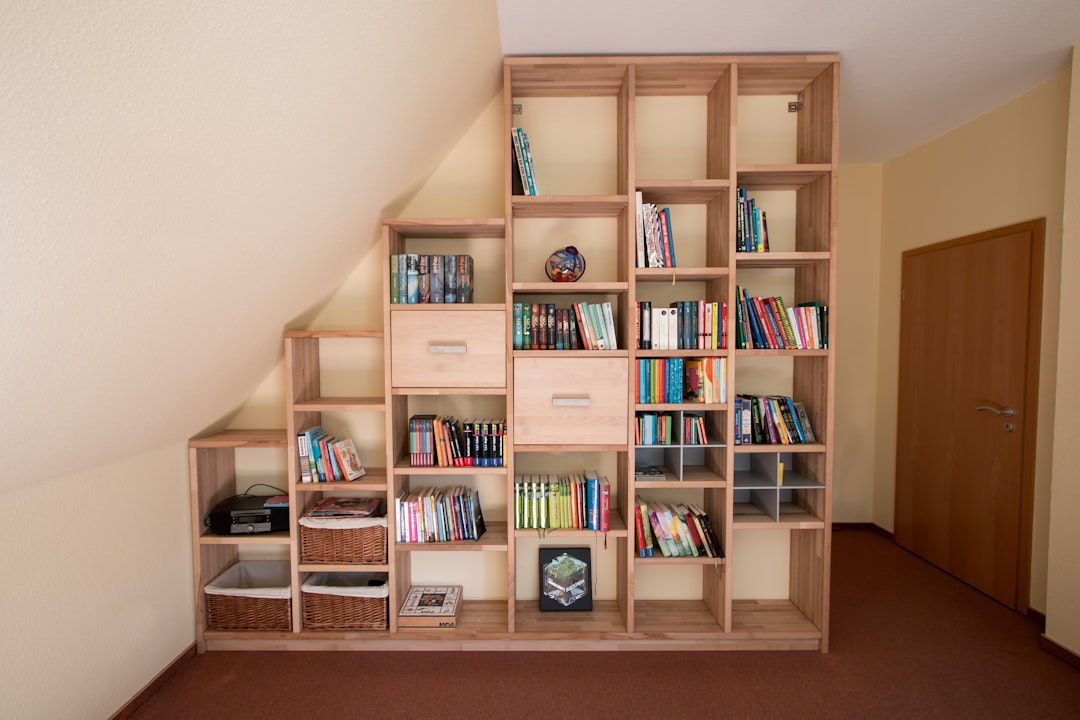
Coffee tables with built-in shelves or drawers provide organized, accessible storage. Open shelves are ideal for displaying decorative items or frequently used books, while drawers keep smaller belongings out of sight. This option helps maintain a clean aesthetic in your HDB living room by offering dedicated spaces for different types of items.


There’s a tactile, slightly irreplaceable difference between seeing a coffee table online and feeling the glide of its drawer or the smooth, secure drop of a lift-top lid. You can’t test weight distribution or judge the warmth of a solid acacia finish through a screen. That’s precisely why a trip to Megafurniture’s Joo Seng or Tampines showroom is a logical step for anyone serious about a piece that needs to perform daily in a compact living room. You’ll find their range covers the practical spectrum, from space-saving 90cm engineered wood designs to larger, statement-making solid wood pieces, all laid out in room-like settings. In a typical 4-room BTO living room, every centimetre counts, and a coffee table often pulls double duty as a storage hub. Staff at both locations are accustomed to advising on HDB delivery logistics, which can be a minefield of narrow lift landings and tight corridor turns. They’ll also clarify standard Singapore bedroom sizing—a crucial detail if you’re trying to coordinate a living room centrepiece with your existing bedroom set or a future purchase. It’s the kind of local, practical knowledge that saves a headache later. The real value, though, is in the hands-on inspection. You can assess whether a sintered stone top feels cool and substantial or verify that the rubberwood used in a storage bench has a tight, even grain. Does the drawer slide out silently on its metal runners, even when weighted? Does the lift mechanism on a storage ottoman feel sturdy enough for a child to lean on? These are questions you answer with your hands, not a product photo. For many homeowners replacing an old, wobbly table, this physical confirmation is what seals the deal. You’ll also get a clearer sense of proportion. A 150cm rectangular table might look manageable in a wide-angle shot but dominate a narrower space; seeing it in situ helps visualise how it will work with your 3-seater sofa and media console. The showrooms effectively let you trial the piece in a context similar to your own home, which is invaluable for avoiding a costly misjudgement. It turns an abstract measurement into a tangible object you can walk around. Ultimately, visiting lets you move beyond specs and into experience. You’re not just buying a table—you’re testing a piece of furniture you’ll interact with every day, from setting down a morning coffee to stashing remotes and magazines. For a considered purchase that anchors your living room, that in-person evaluation is often the final, decisive factor. You can start that process by browsing their
coffee table collectiononline, but the trip to Joo Seng or Tampines is where the decision truly crystallises.
The delivery crew will ring your intercom, but that doesn't mean they’ll get to your door. In many older HDB blocks, particularly those built before the 2000s, you’ll need to confirm lift access dimensions with the retailer before the truck even leaves the warehouse — a standard 90cm coffee table can be a tight squeeze when it’s still boxed. Time slots matter just as much; some condos in central neighbourhoods like Novena or Orchard restrict noisy deliveries to after 5pm, which can mean a long evening waiting for a van stuck in CTE traffic. It’s a logistical snag that’s easily overlooked until you’re rescheduling a half-day of leave.
For assembly, you’ll typically find a basic Allen key and a few wooden dowels in the box — enough for a simple, four-legged solid rubberwood piece. More complex designs with integrated drawers, hydraulic lift-top mechanisms, or heavy sintered stone slabs often require a second pair of hands, if not a professional contractor. That elegant, 120cm marble-top table you bought for your 4-room BTO living room might look stunning, but its weight and fragility make DIY assembly a risky proposition; you’re better off paying for the white-glove service.
Warranties are almost universally 12 months, but the fine print is where you separate real protection from marketing. Scrutinise the terms for what constitutes a structural fault versus mere surface wear. A warranty should cover a split in the solid wood tabletop seam or a failing drawer glide mechanism, but it won’t apply to scratches from daily use or water rings left by condensation. Some retailers explicitly exclude “cosmetic defects” after the first 30 days, which is a crucial detail for a centrepiece that will see constant use.
Ultimately, the logistics are a test of a retailer’s after-sales backbone. A clear process for reporting issues, a local service team that covers your neighbourhood, and a willingness to honour warranty claims without excessive paperwork are signs of a company that stands by its products. You can browse Megafurniture’s collection to see their specific terms, but always read them yourself — don’t just trust the sales brochure. The real cost of a table isn’t just the price tag; it’s the peace of mind that comes when something goes wrong, and you know exactly who to call.
A buyer's search history after picking a sofa is a specific local thing—it's not just about style, it's about surviving the climate and fitting a four-room BTO's exact geometry. Here are the practical answers homeowners actually need.
What’s the right coffee table height for my Singapore sofa? Local sofas, especially the plush, deep-seated models popular in showrooms, tend to sit lower. Aim for a table height within 5cm of your sofa seat; that typically means a 40–45cm coffee table. Anything taller becomes a shin hazard, anything lower forces you to hunch over for your kopi—it’s a small detail that makes the daily lounge session feel off.
How do I clean a marble top in this humidity? Marble’s gorgeous, but Singapore’s damp air means water stains and potential etching from acidic spills are a real concern. You’ll want to seal it upon arrival and re-seal it every six to twelve months; use a pH-neutral cleaner for weekly wipes, never vinegar or lemon-based solutions. For a similar luxe look with less fuss, sintered stone or porcelain slabs are becoming a favourite—they’re non-porous, resist scratches, and won’t mind a humid Aljunied afternoon.
Are there pet-safe coffee table materials? Absolutely. Skip easily scratched soft woods and opt for hard, sealed surfaces. Engineered wood with a robust laminate finish, toughened glass, or powder-coated metal legs are all resilient choices. The key is avoiding sharp corners if you've a boisterous pup; a rounded oval design or a table with a softened waterfall edge can prevent painful collisions in a tight living room space.
My TV console is from a different retailer—will a new coffee table match? It’s a common worry, but it’s less about an exact match and more about cohesion. Focus on complementary tones or a shared material language. If your console is a dark walnut, a coffee table in a lighter oak or with a metal base can work beautifully; a uniform material like matte black metal across both pieces creates a linked feel without being a rigid set. The goal is a curated look, not a showroom-perfect pair.
That last walk-through before you tap ‘buy’ often feels like a formality, but it’s where most coffee table regrets are born. You’ve found a piece you like, but before it’s delivered to your 4-room BTO, run through this final checklist to avoid a costly mismatch.
First, physically measure the passage from your lift lobby to your living room floor. Many modern designs, especially those with solid marble tops or oversized sculptural bases, simply won’t clear the corner near your riser. A 150cm rectangular table might fit the room, but if it can’t pivot past the main door, it’s staying in the corridor. Next, budget for a protective film if you’re drawn to a glass or high-gloss lacquer top. In many homes, that surface becomes a de facto lunch tray or a spot for keys; a quality, anti-shatter film is a smart $80–$200 investment against scratches and anxiety.
Don’t just check the height—verify the stated load capacity, especially if you’ve got kids or anyone who’ll use it as an impromptu footrest. A delicate hairpin leg table might buckle, while a solid rubberwood or sintered stone piece can typically handle it. This is also the moment to decide if your choice is a statement piece or hidden storage, and how that aligns with your five-year plan. A bold, irregular travertine design anchors a room beautifully now, but will it feel obstructive when you need floor space for a toddler in two years? Conversely, a lift-top table with organised storage might be the practical favourite that outlasts several sofa refreshes.
Finally, place the table in your mental layout. A centrepiece should command attention without blocking flow in a compact HDB living room, while a storage-focused model should offer easy access without you having to move the sofa each time. Get this right, and the table becomes a fixture; get it wrong, and it’s just another item to replace.