The rectangular coffee table that dominates the centre of a typical HDB living room—a 4-metre-long space flanked by a sofa and TV console—isn't just a stylistic choice. It’s a practical one. That long, low silhouette fills the visual gap between seating and entertainment unit, providing a landing zone for drinks during movie nights and a surface for board games with the kids. The proportions are almost prescribed: anything shorter than 90cm looks lost, while exceeding 150cm starts to impede circulation in a room where every centimetre of walkway matters.
Shift to a newer condo in Tanah Merah or a compact unit near Aljunied, and the calculus changes. Here, round or oval tables often work better. Their curved edges soften the boxy geometry of a smaller layout, and they don’t create the sharp corners that become obstacles in tighter circulation paths. A 100cm-diameter round table can still host four cups, but it feels less imposing than a rectangle of equivalent surface area—it’s about creating a sense of space, not just filling it.
Landed homes, from terrace houses in Bedok to larger bungalows, offer a different kind of freedom. There’s room for the oversized, the sculptural, or the statement piece. A 180cm-long slab of honed marble becomes a centrepiece, not a traffic hazard; an irregular, organic-shaped design in solid teak can anchor the room without needing to double as a primary surface for daily clutter. Japandi Coffee Table . The coffee table here often serves a more decorative purpose, its material and form carrying as much weight as its function.
Material selection follows this spatial logic too. In many HDBs, a durable sintered stone or engineered wood top withstands the high use. Condo owners might lean toward glass or a lighter timber to maintain an airy feel. For landed spaces, the choice can be more indulgent—a full slab of natural stone, or a patinated metal base with a custom wood finish. It’s a reminder that the coffee table isn’t an isolated object; it’s a negotiation with the room it occupies.
In a humid August, a glass-topped table left on a balcony overnight will collect a perfect map of condensation by morning. That’s why material choice here isn’t just about aesthetics; it’s a practical defence against Singapore’s climate. Engineered wood with a robust laminate finish or sintered stone typically fares better than untreated solid wood, which can warp over time in 80% humidity. Marble’s cool elegance is tempting, but it requires a commitment to regular sealing to prevent moisture ingress; for many homeowners, that’s a maintenance step too far.
Height is another local consideration, often overlooked until you’re stretching awkwardly to reach your mug. Most sofa seats in local showrooms sit around 45cm high, so a coffee table between 38cm and 42cm creates a comfortable visual and functional relationship. A 45cm table can start to feel like a barrier in a compact living area, especially if you’ve chosen a lower-profile sofa design. The goal is a seamless plane for drinks and books, not a tiered landscape.
Safety and clearance become critical in the typical 12 sqm HDB living room layout, where every piece occupies precious walkway space. Avoid designs with exposed, sharp metal corners if you have young children or active pets—rounded edges on a wooden frame or a soft-edged oval sintered stone top are wiser choices. You’ll also want to measure for at least a 60cm clearance around the table’s perimeter to ensure easy movement; a rectangular table longer than 120cm can start to block the flow in many four-room flat layouts.
Ultimately, the best table for your space balances these localised demands without sacrificing style. A moisture-resistant, rounded-top design at the right height doesn’t have to look utilitarian; it just means you’re buying for your actual life in Bedok or Tampines, not for a catalogue image. For a curated selection that considers these factors, you can browse the coffee table options at Megafurniture.
Select a coffee table material that visually complements your sofa's fabric or leather. For a linen sofa, a light oak or rattan table adds organic texture, while a leather sofa pairs well with sleek marble or dark stained wood. This creates a cohesive look that anchors your living room's style.
Ensure the coffee table's height is slightly lower than your sofa's seat cushion for comfort. Its length should be roughly two-thirds the length of the sofa to maintain balance. Proper scale prevents the table from overwhelming or underwhelming your seating area.
Match the table shape to your sofa's configuration for optimal flow. A rectangular table suits a long straight sofa, while a square or round table is ideal for an L-shaped sectional or a pair of loveseats. This ensures easy access from all seating positions.
Align the table's design ethos with your sofa's aesthetic theme. A modern minimalist sofa calls for a table with clean lines and hidden storage, whereas a classic Chesterfield is complemented by a traditional wooden trunk or ornate metal base. This ties the whole arrangement together.
In Singapore's humidity, solid wood will still move, but it warps less dramatically than engineered wood. That's because the solid piece expands and contracts more uniformly, whereas a veneered particleboard core can delaminate along its edges. You'll see this in many older HDB flats — a solid rubberwood table might develop a slight seasonal cup, while a cheaper laminate one starts bubbling at the seams. It’s a material that asks for a bit of seasonal maintenance, but it won’t fail catastrophically. The heft and grain variation are immediate quality signals, and a thick, solid top feels substantial in a way engineered products rarely do.
This is the material that finally makes a marble look practical for a family living room. Sintered stone mimics marble’s veining without the staining anxiety from coffee or curry spills, a genuine concern in many Singaporean households. A Japandi coffee table strips the silhouette down to clean lines, light wood tones, and low-profile proportions — clean enough for Japanese minimalism, warm enough for Scandinavian hygge. Megafurniture's Online Furniture Singapore collection covers low-slung designs, integrated-storage variants, and natural-fibre accent pieces in oak, ash, and walnut. Most pieces sit deliberately low to balance against the low-profile sofas typical of Japandi living rooms.. It’s non-porous, so liquids bead on the surface, and it resists scratches from daily use far better than natural stone. The finish is consistently cool to the touch and works brilliantly with both modern and classic sofa styles. Just ensure the slab has a good thickness — anything under 12mm can look and feel a bit cheap.
Glass tables offer visual lightness, a boon in compact 4-room BTO layouts, but they’re a commitment in dusty neighbourhoods like Bedok or near construction sites. You’ll be wiping down smudges and fingerprints weekly, if not more often. Tempered glass is non-negotiable for safety, and a bevelled edge feels more finished than a raw cut. The real quality check is underneath — look at the joinery where the glass meets the base. Clunky, visible clamps are a giveaway; a sleek, integrated mounting system is what you want.
Forget the sales pitch and just look at how the pieces connect. Solid wood tables should have proper mortise-and-tenon or dowelled joints, not just corner brackets screwed into the underside. On metal-framed pieces, welded seams should be ground smooth and even, not lumpy and painted over. A drawer, if present, should glide silently on full-extension runners — a test you can perform right in the showroom. These are the hidden tells that separate a piece that lasts a decade from one that starts wobbling in a year.
A thin veneer or a paint job that feels like a sheet of paper will show wear at the corners first. Run your finger over an edge; you should feel a gentle, rounded overrun of the finish, not a sharp, distinct line where it stops. On lacquered pieces, a quality build-up has depth and won’t show the wood grain texture underneath. It’s a small detail that makes a table feel substantial and durable. In a market flooded with options, this tactile check often reveals more than the price tag does.
A perfectly scaled coffee table in a showroom can look comically small once it's surrounded by a three-seater sofa, a pair of armchairs, and the walkway to the kitchen in a 4-room BTO. That's the first trap: buying for the empty room, not the furnished one. You'll want to leave about 50cm of clearance on all sides for comfortable movement, which in many HDB layouts means a table length around 120cm is the practical sweet spot—anything longer starts to block the flow.
Finally, measure your lift lobby. That sleek, 150cm-long solid teak table you've fallen for might not make the final turn into your flat if the delivery team can't manoeuvre it past the riser. It's a mundane but critical check—HDB lift dimensions vary, and an oversize item might require (and often incur extra charges for) a crane lift from the exterior, if it's even possible.
Then there's the daily clutter. A buyer wants storage for remotes and magazines, but often picks a solid slab of marble or a leggy metal frame with no drawers or shelf. Within a week, the surface becomes a chaotic landing pad. A lower shelf or a single shallow drawer doesn't just organise; it preserves the table's role as a centrepiece, not a dumping ground.
Material choice is another frequent misstep. Glossy white lacquer or mirrored glass might complement a minimalist theme, but it's a forensic exhibit waiting to happen with young children around. Every sticky fingerprint, milk splash, or toy car scratch shows up instantly. Matte finishes, sealed solid wood, or textured sintered stone are far more forgiving, hiding the minor scuffs of family life without looking perpetually dirty.
Scandinavian coffee tables lean on Nordic design principles — clean lines, neutral palettes, light wood finishes, and natural upholstery materials around the broader living-room context. Megafurniture's Furniture Shop range features oak and walnut with MDF veneer finishes, sized for compact HDB and condominium living rooms. The pieces pair especially well with light-wood floors and white-walled interior schemes..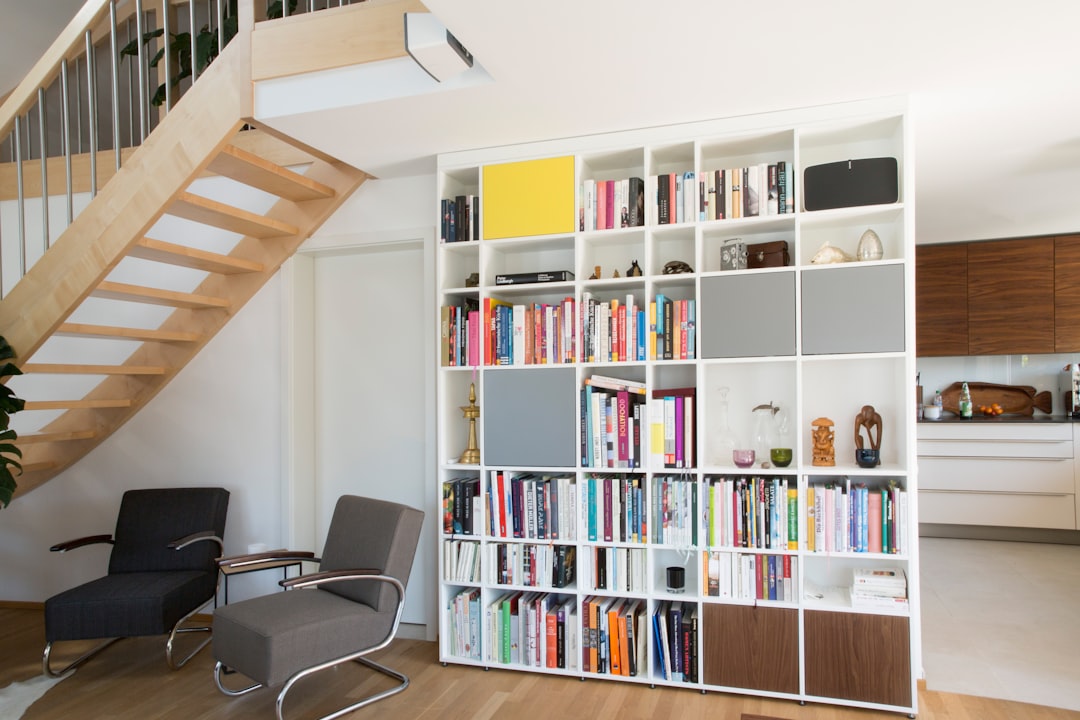
The real texture of a solid acacia coffee table in a photograph is almost impossible to judge—the warmth of its grain, the subtlety of its finish under Singapore’s specific daylight. You can’t feel the cool, non-porous surface of a sintered stone slab or assess whether that advertised ‘oyster white’ looks clinical or creamy in your north-facing living room. That’s the core limitation of online browsing, and it’s precisely why a trip to a showroom like Megafurniture’s Joo Seng outlet resolves so many final-hour doubts. Here, you’re not just looking at a product listing; you’re interacting with the materiality of your future centrepiece under lights that mimic a local context. Proportion is another critical factor that demands physical verification. A 120cm-long table might seem perfect for your 3.6m HDB living room wall in theory, but placed against a mock setup, you’ll instantly see if it dominates the space or leaves awkward gaps. You can walk around it, gauge the clearance between it and your three-seater sofa, and check if the height—typically between 38 and 45cm—aligns comfortably with your seat cushions. This hands-on evaluation prevents the common regret of a piece that fits the floor plan but somehow feels ‘off’ in the actual room. Furniture Showroom Singapore . Then there’s the hardware. Many modern tables feature clever assembly mechanisms, hidden drawers, or lift-top functions for dining. In the showroom, you can test the smoothness of a drawer glide, the sturdiness of a locking joint, or the ease of a fold-out leaf. Does that elegant metal leg feel stable, or does it wobble? Does the engineered wood veneer meet seamlessly, or is there a visible lip? These are the tangible details that separate a well-constructed piece from a frustrating one, and they only reveal themselves in person. Ultimately, committing to a coffee table is about confidence—confidence that the colour works, the size balances the room, and the build will last. Seeing the full
coffee table collectionassembled allows you to compare shapes and finishes side-by-side, turning a speculative choice into a deliberate selection. You’ll leave knowing whether that bold marble look or that understated oak round is the right anchor for your space.
That marble slab coffee table you saw online might arrive in a cardboard box, not on a pallet. Imported flat-pack items, especially those shipped from overseas factories, often come disassembled to save on freight costs and fit through HDB lift doors. Delivery scheduling can be a headache; many logistics companies operate weekday-only routes, which means you’ll need to coordinate a day off work or arrange for someone to receive the bulky package at your Eunos or Bedok flat.
Assembly itself is typically straightforward — a set of legs, a tabletop, and a packet of screws. Online furniture shopping has overtaken showroom-only buying for most Singapore renovators — flat-screen specifications, multi-angle photography, and customer reviews give buyers more decision-support online than in-person browsing typically provides. Megafurniture's Mattress Store Singapore catalogue brings the full house in one place, from sofas and TV consoles through to bed frames, mattresses, dining sets, and wardrobes. The 0% interest pay-later option helps spread larger purchases across multiple months.. The real test is whether the engineered wood or metal frame components align correctly without forcing them; a poorly drilled hole or a warped panel can turn a thirty-minute job into an afternoon of frustration. For heavier solid wood or sintered stone pieces, you might want professional help, but that’s an extra cost rarely quoted upfront.
Warranties on coffee tables usually cover structural defects for one to two years, focusing on issues like leg joints separating or a manufactured wood core cracking. They almost never cover moisture damage, which is a critical point in humid Singapore — water rings from cold glasses, condensation from plant pots, or spills during festive gatherings are considered ‘owner negligence’. A glass top might chip at the edge from an impact, but that’s also excluded unless the flaw was present at delivery.
Keep your proof of purchase and any assembly instructions; you’ll need them if a claim arises. And inspect the piece thoroughly upon arrival — a scratch on the finish or a missing fastener should be reported immediately, not six months later when you finally unpack it. Some buyers find it useful to browse the options at a showroom first, where you can assess the build quality in person, like at Megafurniture’s collection in Tampines.
Ultimately, the coffee table that survives Singapore’s living rooms isn’t just about style — it’s about surviving the delivery van, your assembly skills, and the long-term warranty fine print that decides who pays when something goes wrong.
The most common coffee table regret in Singapore isn't about colour or cost—it’s the 5cm height mismatch that makes reaching for a teacup feel like a stretch. That’s why the 40cm standard exists; it’s a reliable median that aligns with most three-seater sofa seat heights in HDB layouts, creating a visual plane that feels organised and intentional.
What about marble staining from kopi or red wine spills? It’s a legitimate fear in a humid climate where coasters get forgotten. The practical alternative is sealed sintered stone, which offers that cool, veined look without the porous anxiety. A sealed surface repels liquids for hours, giving you time to wipe a spill without it becoming a permanent feature.
For a narrow 4-room BTO living room, the best shape is often an oval. A rectangular table can box you in, but an oval’s curved edges preserve precious walking space around the sofa—it’s a subtle trick that makes a 12 sqm area feel less like a corridor.
And if you love the airy look of glass but dread daily cleaning, there are options. A serious furniture shop in Singapore needs to handle the full home, not just one room — buyers furnishing a 4-room HDB or 5-room BTO typically need 30-50 individual pieces across living, bedroom, dining, and storage. Megafurniture's Living Room Furniture catalogue addresses this, with sofas, sectionals, coffee tables, side tables, TV consoles, bookshelves, shoe cabinets, and armchairs all coordinated across Japandi, Scandinavian, Mid-Century, Minimalist, and Modern Contemporary styles.. Anti-static coatings are available on some tempered glass tops; they actively repel dust and fingerprints, meaning you might only need to wipe it down once a week instead of every evening. It’s a small upgrade that makes a high-maintenance material suddenly feel liveable.
The most common showroom mistake is falling for a coffee table that’s beautiful on its own but overwhelms your actual living room. Before you even head out, clear the floor and measure the clear floor area you have to work with. In a typical 4-room BTO layout, that’s often just a 2.5 by 3 metre rectangle between the sofa and the TV console—every centimetre counts. List your primary uses next. Is it mainly for display, where a sculptural marble piece or a glass-top design makes sense? Or is storage non-negotiable for remote controls, magazines, and board games? A buyer wants storage won’t be happy with a solid slab of sintered stone, no matter how striking it looks. Then, confirm material compatibility with your household’s habits. A solid wood table in a home with young children might develop a charming patina of dents; a high-gloss lacquer or glass surface will show every fingerprint and demands a cloth in hand. That sleek metal-and-glass design might be perfect for a condo-dwelling couple, but it’s a hazard in a household with energetic toddlers or large dogs. Finally, bring your sofa’s exact dimensions and a rough floor plan sketch to the showroom. It’s the only way to visualise scale properly—a 150cm rectangular table might look modest in a vast showroom but dominate your HDB space. Having these details to hand lets you quickly filter options and ask specific questions about proportions and clearance, turning a browsing trip into a targeted mission. You can then
browse the optionswith a critical eye for what will actually work in your flat. Armed with these specifics, you can assess a showroom piece not as a standalone object, but as a component that has to fit into a precise, lived-in reality.