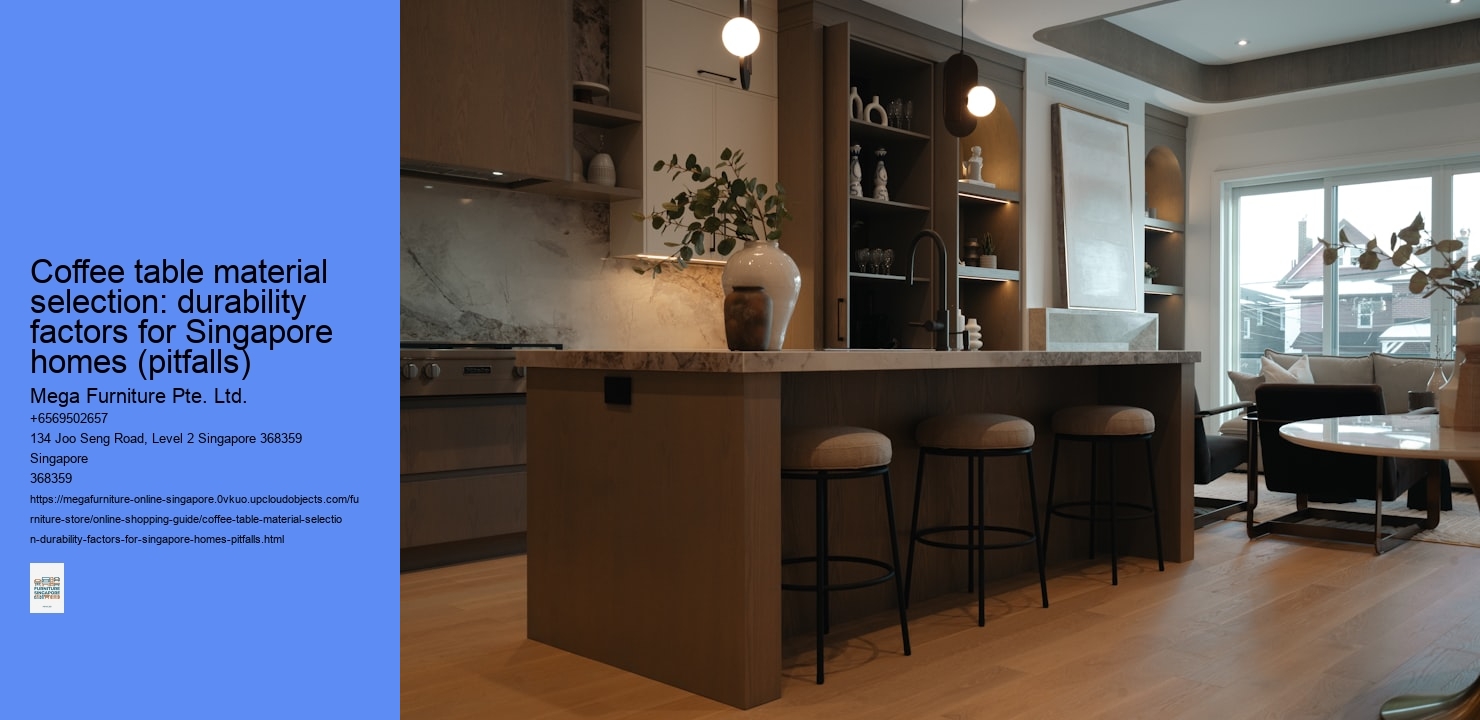
The living room in a typical four-room BTO flat measures around 16 to 20 square metres. In a newer condo, that same space often shrinks to just 12 or 14 square metres—a difference you feel immediately when you try to manoeuvre a large coffee table into place. That grand, 150-centimetre rectangular piece you admired in a landed home showroom will overwhelm a compact layout, leaving little room to walk or for other furniture. In many HDB and condo living rooms, a table between 90 and 120 centimetres long is the practical sweet spot.
Scale isn’t just about length, either; it’s the first and non-negotiable consideration, even before you think about material or finish. A table that’s too tall or too wide throws off the entire room’s proportion, making a modest space feel cluttered and awkward. You’ll want to leave roughly 30 to 45 centimetres of clearance between the sofa edge and the table for comfortable legroom—any less, and it becomes an obstacle course every time you sit down.
Homeowners in landed properties, of course, operate under different rules. With living areas that can easily exceed 30 square metres, they have the luxury to consider a 200-centimetre sculptural centrepiece or a pair of nesting tables that would swallow a BTO’s floorplan whole. The constraint shifts from pure dimensions to visual weight and intentional placement within a much larger zone.
For the majority in HDBs and condos, this spatial reality dictates a preference for lighter visual profiles—think oval or round tables that eliminate sharp corners in tight pathways. A glass top can maintain a sense of openness, while a slender metal frame often works better than a chunky solid wood base. It’s a simple equation: measure your floor space twice, then buy once.
After you’ve settled on the right dimensions, the question of material and durability naturally follows—a conversation that’s entirely different for a table that will be the room’s workhorse versus a distant showpiece.
That glossy solid wood coffee table you admired in the showroom can transform into a warped, sticky mess within a single Singapore monsoon season. It’s a classic pitfall; the island’s persistent 80% humidity acts like a slow, relentless solvent on many common materials. Solid wood, unless it’s been treated with a heavy-duty, penetrating sealant, will absorb moisture from the air and expand, leading to cracks, cupping, or sticking drawers. Engineered wood with a thin veneer is even more deceptive—the composite core swells, causing that decorative top layer to bubble and peel at the edges, an unsightly problem that’s impossible to repair neatly.
Pets introduce a second, more abrasive layer to the durability test. A cat’s leap or a dog’s excited tail wag against a table leg isn't just about scuffs; it’s about finish. High-gloss surfaces, whether on lacquered wood or polished acrylic, become a canvas for fine hairline scratches that catch the light from every angle. That pristine, mirror-like top in a Tampines showroom won’t stay that way in a home with a boisterous terrier or a cat using a corner as a scratching post. The solution isn’t necessarily a harder material, but a smarter finish.
For moisture resistance, sintered stone and tempered glass are notably robust. Sintered stone is virtually non-porous, so spills and ambient humidity have no effect, while tempered glass offers a similarly impervious surface that’s easy to wipe down. Metal frames, common in industrial or minimalist designs, need a powder-coated finish to prevent rust from forming in the damp air—a bare or poorly painted metal leg in a ground-floor flat near Bedok can start to corrode surprisingly fast. Look for certifications like a water-resistant sealant rating on wood or a quality powder-coat specification on metal; these aren’t marketing fluff but essential guarantees for local conditions.
The most practical choice for a busy, pet-friendly household often comes down to texture. A matte, lightly textured finish on any material—be it stone, treated wood, or coated metal—will hide a multitude of sins. It diffuses light, masking the fine scratches from claws and the minor dings from daily life far better than any glossy surface can. It’s a tactile consideration, too; a smooth, cool sintered stone or a softly textured, oiled rubberwood feels deliberate underhand, not just a defence against the environment. You’ll find tables built with this local reality in mind at Megafurniture’s collection, where performance often takes precedence over pure, high-maintenance aesthetics.
" width="100%" height="480">Coffee table material selection: durability factors for Singapore homes (pitfalls)Run your hand across the surface. Real marble has a cool, solid weight and its veining runs deep through the slab, which you can often feel as a slight texture change. Printed or laminated patterns, common on budget pieces, are entirely smooth and visually flat; they’ll fade or peel around the edges after a few years of wiping down condensation from glasses. That heavy, natural variation is the point—it’s what you’re paying for. A uniform, repetitive pattern is a dead giveaway for a cheap imitation, and it’ll look it in your Tampines condo’s living room.
Check the sides and the underside. On a solid wood table, the grain pattern should flow continuously around corners and across the entire piece, a single story told by the timber. Veneered or engineered tops will have a sharp, unnatural seam where the printed sheet ends, or the pattern will simply stop at the edge. Consistent end-to-end grain isn’t just aesthetic; it indicates the maker used a proper slab, not finger-jointed offcuts glued together. That integrity matters for durability in our humid climate.
Forget corner brackets. Flip the table and look at how the legs meet the apron—proper joinery uses dowels, mortise-and-tenon, or at minimum, solid blocking glued and screwed from the inside. Brackets are a temporary fix; they work loose over time, leading to that familiar wobble. A well-constructed joint is almost invisible from the outside, a sign of craftsmanship that prioritises longevity over assembly speed. It’s the difference between a table that survives a house move and one that doesn’t.
Nobody sees it, but you should. A raw, sanded underside on a wood table or unfinished particleboard on a veneered piece suggests cost-cutting at the final, hidden stage. A fully sealed or painted underside shows the manufacturer bothered with moisture protection, which is critical for a piece sitting on sometimes-damp floor tiles. It’s a reliable proxy for overall build quality—if they skimped where you wouldn’t look, they likely took shortcuts where you can’t see either.
Lift a corner. A quality coffee table has a reassuring, grounded weight to it, whether it’s solid timber, a thick marble slab, or a properly framed metal design. Lightweight, hollow-feeling pieces are often just a thin shell over a cardboard honeycomb or flimsy framing; they’ll skid across your porcelain tiles with a slight nudge and sound tinny when tapped. That substantial feel translates to stability—it won’t tip when someone leans on it, a small but vital consideration in a busy HDB living room.
In a narrow 4-room BTO living room, a sharp-cornered rectangle becomes a shin-bruising obstacle course every time someone heads to the kitchen. That’s the traffic flow problem in miniature. Many buyers, focused purely on style or storage, forget to map the daily paths around their new centrepiece. An oval or rounded coffee table, even a modest one around 100cm long, dramatically improves circulation—legs and robot vacuums glide past without collision, which in many HDB layouts is a daily necessity, not just a design nicety.
Then there’s the measurement gap. It’s a classic error: buying a table that fits the room’s dimensions on paper but leaves no practical clearance from the three-seater sofa. The ideal gap is typically 30 to 40 centimetres—enough space for comfortable leg stretching, for that robot vacuum to do its job without getting stuck, and to prevent the table from feeling like an extension of the seat cushion. Anything less and the space feels cramped; anything more and you’re straining to reach your teacup.
Material choice is the other common oversight, where maintenance realities clash with aspirational finishes. A high-gloss white sintered stone top might look pristine in the showroom, but it’s a magnet for visible water rings and, notoriously, turmeric stains from the occasional curry takeaway. The material is durable, but that glossy finish shows every smudge; a honed or matte surface forgives far more in a busy household. For families, a coffee table’s surface needs to survive spills, remote controls being slid across it, and the occasional foot propped up after a long day.
Ultimately, the best coffee table for a Singapore home isn’t always the most striking one. It’s the piece that quietly accommodates the reality of living in a compact space, where every centimetre of flow matters and every surface will be tested. You can browse a range of options, from oval sintered stone to rounded engineered wood designs, considering both form and this daily function.

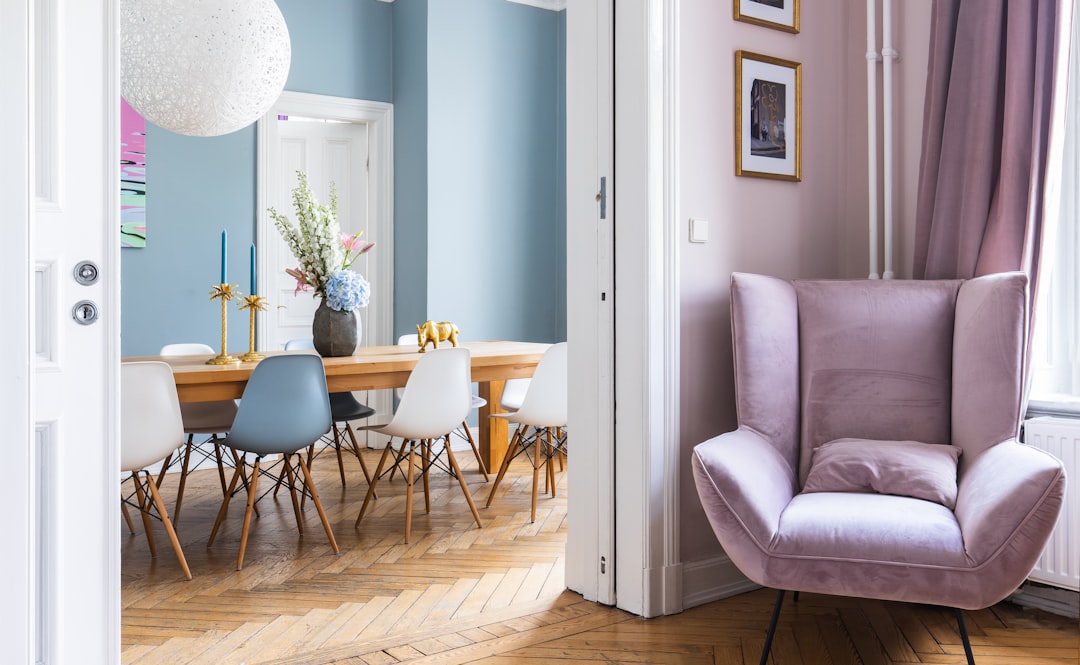

A digital image can make a cheap laminate edge look like solid wood, but your fingertips won’t be fooled. That’s the core limitation of online browsing: you’re judging weight, texture, and structural integrity through a screen that’s designed to sell, not to scrutinise. In a showroom, you can run a hand along a table’s under-edge to feel for rough seams or press down on a centre to test for wobble—tactile verifications that are impossible from a product gallery. Seeing a 140cm rectangular coffee table placed between a typical three-seater and a two-seater sofa is another decisive advantage. Showrooms like Megafurniture’s at Joo Seng and Tampines arrange their pieces in room-set contexts scaled for Singaporean spaces, so you immediately grasp if a design will dominate a compact 4-room BTO layout or get lost in a larger condo living area. You’ll notice if the 42cm height forces you to hunch over from your sofa cushion, or if an oval shape improves circulation in a tight walkway. Material questions also find faster, clearer answers on the floor. A sales associate can point out the difference between a lacquered rubberwood top and an oil-finished teak one, explaining which finish better resists the condensation from cold drink glasses in our humidity. They can clarify warranty specifics for humidity-related warping or surface damage on the spot, turning a brochure footnote into a tangible assurance. It turns a speculative click into a concrete decision. You leave knowing the exact grain variation of that marble tabletop or the cool, substantial heft of a sintered stone piece, details that online images routinely flatten or enhance. For a centrepiece item that you’ll interact with daily, that physical confirmation matters more than any filtered product shot. You can explore these considerations firsthand by browsing the options at their
coffee table collection.
That oversized marble-topped coffee table you saw online arrives in a box that won’t fit past the lift doors — it’s a common HDB headache. Standard lift dimensions here are 2.1 metres tall, so buyer wants to confirm the packaged height before ordering; some landed properties require a crane lift, which adds a logistical layer and cost you’d rather avoid. For a rectangular coffee table around 120cm long, the flat-pack carton typically fits, but sculptural designs or pieces with integrated storage can push packaging into awkward shapes that demand a second look at the delivery notes.
Assembly often includes screwing legs onto a pre-assembled frame, but it rarely includes leg levelling for uneven BDB floor tiles — that’s a separate service, if it’s offered at all. You’ll find your new table wobbling slightly on those classic, slightly irregular tiles, which means you’re either hunting for DIY felt pads or calling back the retailer for an adjustment. It’s a detail worth clarifying upfront, because a stable centrepiece shouldn’t rock every time you set down a teacup.
Warranties of three to five years are standard, but they should explicitly cover manufacturing defects like veneer peeling, structural joint failure, or stone top cracking, not general ‘wear and tear’ from daily use. A coffee table’s surface sees constant action: hot mugs, condensation rings, the occasional toddler’s toy. The line between defect and damage is blurry, so a clear warranty document matters more than the duration. Without that specificity, you’re left arguing over whether a faded finish is poor lacquer or just sun exposure.
For most homeowners, the delivery and assembly process is the first real test of a retailer’s service — a smooth experience here sets the tone for the next few years. It’s why checking packaging dimensions and asking about levelling isn’t just tedious admin; it’s practical insurance for your living room’s new focal point. You can browse a range of options designed for local spaces, including pieces that account for standard lift access, at Megafurniture’s collection.
Singapore's high humidity is a primary pitfall for coffee table materials. Solid wood, if not properly sealed or acclimatized, can absorb moisture and warp or swell over time. Engineered wood or veneers may also delaminate in consistently damp conditions. Opting for moisture-resistant materials like treated teak, metal, or glass is crucial for longevity.
The coffee table's surface faces constant exposure to spills, hot cups, and scratches. Soft woods or delicate finishes will quickly show rings, stains, and scuff marks in a busy household. Laminates and certain stones can also chip at the edges from impacts. Selecting a material with a hard, sealed finish or inherent durability like tempered glass or quartz composite mitigates this.
Air-conditioned interiors create temperature differentials that challenge material stability. Some solid materials may expand and contract, leading to cracks or joint failures. Laminated surfaces can peel, and certain adhesives may weaken. Materials with stable thermal properties, such as powder-coated metal, solid surface composites, or certain engineered stones, are better suited for this environment.
Marble’s porous nature makes it a magnet for condensation rings and humidity stains in our climate — that’s the real worry behind the search. A proper sealant is non-negotiable, but even then, you’ll need to reapply it annually and be militant about wiping up spills immediately; sintered stone or quartz composite offers a similar look without the high-maintenance anxiety, which is why it’s become a favourite for many new condo developments.
Best coffee table material for cats that scratch? For feline households, the usual suspects like solid teak or oak can still show marks, but their hardness makes them more forgiving than softwoods. Glass or metal tops are the most scratch-resistant, though they lack warmth; a textured sintered stone or a laminate with a woodgrain finish can also deflect claws better than a smooth, inviting veneer.
Rectangular vs round for 4-room BTO layout? The classic rectangular table aligns with most BTO living room dimensions, but it often creates a rigid corridor of furniture. A round or oval design, around 100cm diameter, improves circulation in tighter spaces — it’s easier to navigate around when the walkway between sofa and TV console is barely a metre, and it softens the boxy geometry of the room.
How to fix wobbling table legs on mosaic flooring? The culprit is almost always the uneven surface of heritage tilework, not the table itself. Self-adhesive felt pads of varying thickness, layered under the shorter leg, are the quickest fix; for a permanent solution, a furniture installer can add adjustable glides, which let you micro-tune each leg’s height until the wobble disappears completely.

The best coffee table for a 4-room BTO layout can feel wrong in a five-room resale flat, and that's usually down to flow. Before you even think about marble versus rubberwood, map your room's traffic pattern with a tape measure. Mark the clear walking paths from the main door to the bedrooms, around the sofa to the balcony. That 150cm rectangular table you love needs a 90cm clearance on all sides—anything less, and you'll be shimmying past it with a laundry basket for years.
Once you've defined the footprint, score the material against your home's reality. Assign a humidity tolerance out of ten; engineered wood with a good veneer might score a seven, while solid teak gets a nine. Then, a separate scratch-tolerance score—consider pets, kids, or that metal watch you always wear. A glass top scores low on both counts, but sintered stone often hits a high eight for each. This isn't just academic; it directly informs your budget, which should include a hard 15% contingency for delivery and potential assembly fees common for heavy stone pieces.
Never visit a showroom without a floor plan sketch and your shortlisted fabric swatches. Lighting in a Tampines warehouse is nothing like the afternoon sun in your Bedok living room; that cool grey sintered stone can look clinical against your warm sofa upholstery. Seeing a table's true scale amidst other furniture, like at a Megafurniture showroom, is the only way to gauge its presence as a centrepiece. You're not just checking dimensions—you're judging visual weight.
The final step is purely administrative, but it's where many buyers get tripped up. Before any payment, especially for natural stone or custom pieces, verify the warranty document wording. Look for specific coverage on sealing for marble, or what constitutes a manufacturing defect versus "natural variation" in solid wood. A vague warranty is often a sign to walk away; that beautiful travertine table isn't a bargain if you're solely responsible for its first water stain.