Condensation forms on cold sintered stone slabs in Ang Mo Kio flats overnight, leaving faint rings by morning. It’s a quiet attack, but unfinished wood suffers louder casualties. In Singapore’s 80% RH standard, solid wood swells at the joints and laminate edges curl upward like old parchment; untreated wood veneer simply peels away in sheets after a few seasons. That warping isn’t a design flaw—it’s a local condition.
Proper sealing is non-negotiable, which shifts the buyer’s decision from material alone to finish. A lacquered or polyurethane-coated solid wood table, like rubberwood or oak, will hold its line in a humid 4-room BTO living room. Laminate tops need that edge banding fully sealed, not just glued; a poorly finished edge is the first point of failure. Even sintered stone, which feels inert, can trap moisture underneath if the underside isn’t treated, leading to that cold-surface condensation.
Many homeowners assume a factory finish is sufficient, but it’s worth checking the underside and inner edges—often the least protected areas. For wood veneer, a high-quality catalyzed varnish is essential; anything less will bubble and lift. The reality is that a $1,200 to $2,400 coffee table can be rendered useless by humidity within two years if the finish is compromised. It’s not about buying a ‘humid-proof’ table, but verifying the protection on every surface.
This makes the inspection at a showroom slightly different. You’re looking for a consistent, smooth coating without thin spots, especially along the perimeter. For storage coffee tables with internal compartments, the interior finish matters just as much—that enclosed space can become a humidity pocket. Some buyers solve this by applying a supplementary sealant themselves, but that’s a workaround for a finish that should have been complete from the start.
A school bag dropped on a coffee table’s corner, a pet claw skidding across its surface — these aren’t accidents, they’re the predictable wear patterns of a 4-room HDB’s main traffic lane. That path from the front door through the living room to the kitchen creates a high-abrasion zone where finish hardness becomes a functional specification, not just an aesthetic choice.
In many homes, the coffee table sits squarely in that corridor. It’s where kids dump their things after school, where the family dog might scramble past, and where foot traffic naturally converges around the sofa. A simple oil rub or wax finish, beautiful on a side table tucked away, will show scuffs and scrapes here within months. You’ll see pale scratches from metal bag buckles, dull patches from repeated sliding of remote controls, and a general loss of sheen.
The solution is a chemically tougher finish. Cross-linked polyurethane or a catalyzed lacquer forms a harder, more resilient surface film that resists abrasion far better. It’s the difference between a finish that absorbs impact and one that deflects it; these coatings are engineered to withstand the micro-scrapes of daily life without immediately revealing a mark. They’re typically applied by the manufacturer in a controlled environment, so you’re buying the protection pre-installed.
That means your material choice should be paired with its finish. A solid rubberwood table with a catalyzed lacquer will fare better than the same wood with a soft oil, while sintered stone or glass inherently avoid the issue altogether. It’s a quiet upgrade that prioritises longevity over a purely natural look — and in a central traffic zone, that’s often the smarter trade-off.
You can find tables with these robust finishes in dedicated collections, where the specification is clearly noted alongside dimensions and material.
That dark ring from a spilled kopi-o cup is a weekend morning reality in many HDB flats. A porous, unfinished wood surface will absorb the coffee and condensed milk almost instantly, leaving a permanent brown halo. Non-porous materials like sintered stone or a glass top, however, allow you to simply wipe the spill away with a damp cloth before it dries. The real test is for lacquered or painted surfaces; a fully cured, high-quality sealant forms a barrier, while a thin coat will eventually let the stain seep through. It’s a simple rule: if you can see a texture in the finish, the coffee will find its way in.
Curry sauce, with its vibrant turmeric content, is the most unforgiving agent in this localised stress test. On a porous surface like unsealed oak or a low-quality laminate, the yellow pigment bonds permanently within minutes — no amount of scrubbing will lift it. A non-porous slab, whether ceramic or a high-pressure laminate, provides a cleanable barrier that laughs off such colourful assaults. The lesson here is stark; a finish that can’t handle curry essentially commits your table to a lifetime of strategic placemat use. That’s a design limitation most homeowners in Tampines or Bedok aren’t willing to accept.
Chilli oil presents a dual challenge: staining from its rich colour and potential grease penetration. On a sealed but slightly absorbent surface, like some engineered stone, the oil can leave a faint, dark shadow even after cleaning. A truly impervious finish, such as a professionally applied epoxy coat, ensures the oily residue sits entirely on the surface, ready to be cleared with a mild detergent. This is where material choice becomes critical; a sintered stone tabletop handles it effortlessly, while many matte-finished wooden tables will bear a ghostly reminder of your mala xiang guo supper.
The difference between a wipe-clean surface and a stained one often boils down to the quality and completeness of the sealant. A fully cured epoxy or polyurethane coating creates a continuous, glass-like film that leaves no microscopic pathways for liquids. Cheaper, water-based sealants or those applied too thinly will develop weak points over time, especially along edges or corners. In a humid climate, that integrity is everything — it’s what separates a table that ages gracefully from one that looks tired after its first year. For most buyers, this invisible layer is the most important spec on the tag.
A stain isn’t just a mark; it’s a permanent redesign of your centrepiece. Once turmeric or coffee penetrates a porous finish, sanding and refinishing become the only remedies — a messy, costly process that many simply live with instead. This turns a design statement into a daily reminder of a single accident, which feels particularly frustrating in a compact living room where the table is always in view. Opting for a naturally non-porous material or a bulletproof seal from the start is a form of future-proofing. It’s the quiet assurance that your table will survive the realities of life, not just the aesthetics of a showroom.
The difference between a coffee table that lasts a decade and one that swells at the edges after a single rainy season often comes down to what’s under the surface. In Singapore’s humidity, that unseen core matters as much as the finish you’re trying to protect.
Avoid particleboard or MDF cores for the table surface itself, especially if your living room faces a common corridor or lacks strong air-con usage. These compressed wood composites act like sponges in our climate, and swelling at the edges is a predictable failure point that ruins the clean lines buyers usually want. It’s a compromise that makes sense for a bedroom bookshelf but rarely for a living room centrepiece that endures condensation from cold drinks and constant humidity.
For solid wood pieces, look for end-grain consistency. A well-made table will show the grain pattern continuing logically around corners and edges; mismatched or abruptly changing grain direction can signal smaller pieces of wood laminated together, which might react unevenly to moisture. Engineered wood is a popular, stable choice, but its quality hinges on a thick, uniform veneer layer—anything too thin will wear through quickly under daily use, revealing the less attractive core beneath. You’ll find a range of options, from robust slabs of rubberwood to more delicate walnut veneers, at Megafurniture’s collection.
Instead, prioritise tables with solid wood frames or, for engineered options, plywood or multi-layered blockboard cores. These materials expand and contract more uniformly, giving the veneer or lacquer finish a fighting chance. It’s a detail you check by feeling the weight and inspecting the unfinished underside or any exposed edges—quality has a certain heft and consistency to it. That extra scrutiny upfront saves the frustration of a warped tabletop two years into your BTO’s life.

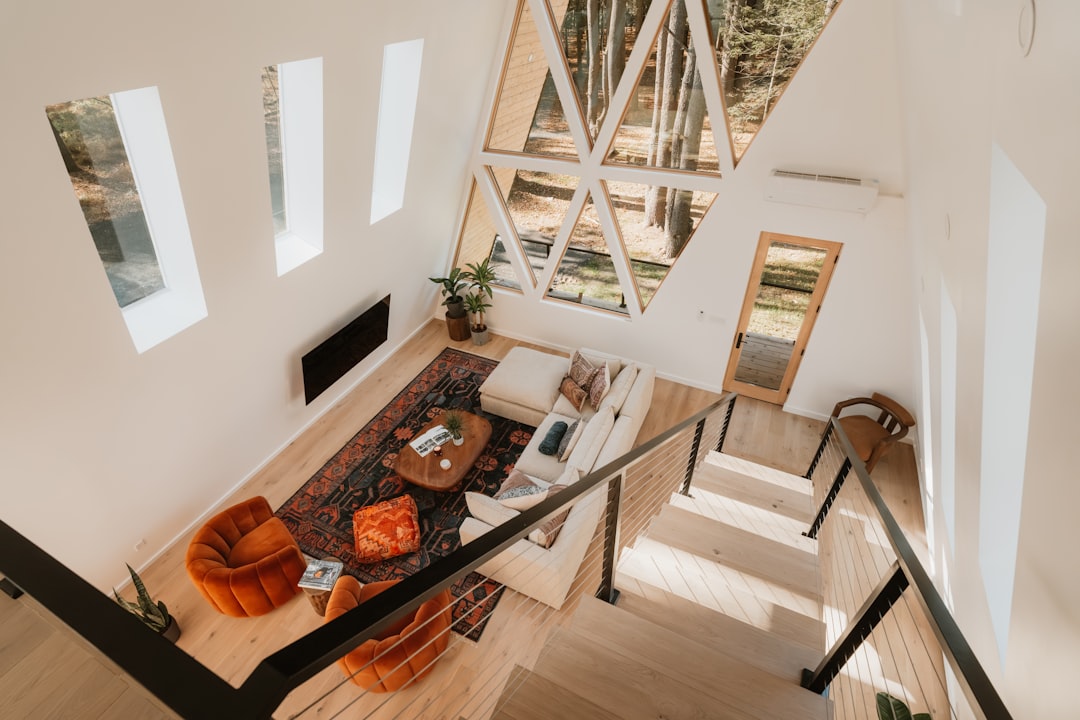
A high-gloss coffee table can look stunning in a showroom, but under the direct LED panels common in many HDB living rooms, it becomes a forensic record of daily life. Every fingerprint from adjusting the TV remote, every faint trail from a coaster’s edge, and every micro-abrasion from a magazine’s corner is highlighted. That mirror-like polyurethane finish, while delivering a sleek, contemporary look, demands constant upkeep—it’s a choice that often suits a formal, seldom-used space more than a busy family centre.
Matte and satin finishes, in contrast, are the practical workhorses for Singapore’s lived-in homes. Their low-sheen surfaces diffuse light and scatter reflections, effectively camouflaging the fine scratches and dust that accumulate between weekly cleans. For a household with young children or in a high-traffic layout where the table sees constant use, this forgiving texture is a genuine asset. It maintains a composed, sophisticated look even as it quietly endures the chaos of weekday dinners and weekend board games.
The trade-off, however, lies in cleanability. A poorly formulated matte finish can be porous, allowing spills from kopi or curry to seep in if not wiped immediately. A quality matte or satin polyurethane should have a sealed, protective top layer; buyer should check product specifications or ask directly if the finish is stain-resistant. Gloss surfaces, for all their smudging, typically offer a non-porous barrier that lets you wipe spills away without a trace—provided you don’t mind polishing the surface afterward to remove the streak marks.
Your lighting scheme dictates everything. A coffee table placed directly under a track light or a bright downlight will exaggerate gloss’s flaws, while in a room with ample ambient or diffused light, it can shine without the constant maintenance. For most four-room BTO layouts where the living area is the main thoroughfare, a satin sheen strikes a sensible balance—it offers a subtle depth of colour without turning the furniture into a glaring spotlight for every imperfection.
Ultimately, the choice hinges on whether you prize pristine appearance in fleeting moments or consistent composure through daily wear. The latter usually wins in Singapore’s compact, multi-purpose living rooms.
A photo of a marble tabletop on your phone might show a cool, uniform grey; in your Tampines flat’s afternoon light, it can look unexpectedly warm, almost beige. That’s the finish gamble you take when buying a coffee table online, where screen calibration and studio lighting conspire to hide the truth of texture and colour. It’s why a trip to a physical showroom isn’t a luxury—it’s a practical necessity for anyone who wants their centrepiece to actually match their existing sofa and flooring. At Megafurniture’s Joo Seng and Tampines showrooms, the lighting approximates what you’ll get in a typical Singapore living room, with its mix of bright LED downlights and softer ambient spill from windows. Here, you can see how a walnut veneer’s grain reacts under that glare, or whether a high-gloss lacquer finish becomes a distracting mirror. You’ll notice if a “white oak” finish leans yellow or pink, a detail that could clash with your cool-toned feature wall. This is where a finish moves from a product spec into your actual living context. More critically, you can test the material’s performance claims yourself. Press a fingernail into that solid rubberwood edge to gauge its hardness. Spill a few drops of water on the sintered stone sample to see if it beads up or soaks in. These showrooms encourage this hands-on inspection because a coffee table’s surface isn’t just for display—it’s a landing pad for cold drinks, a temporary dinner tray, and the inevitable scribbles from a toddler’s marker. Seeing a sample in a warehouse under fluorescent tubes doesn’t give you that same confidence. Ultimately, committing to a S$800 piece based on pixels alone is a risk for a design-conscious homeowner. The texture of a bouclé fabric wrap or the depth of a hand-rubbed oil finish are sensory details that inform daily satisfaction. Visiting lets you make a choice grounded in physical reality, not digital promise. You can
explore the full collection online, but the final vetting should happen in person, with your own hands and under lights that don’t lie.
That sleek, 180cm sintered stone slab you ordered online will arrive in a box — and that’s when the real work begins. Delivery into your HDB flat is the first hurdle; lift dimensions are non-negotiable. Many older blocks have lifts that can’t accommodate a box longer than 200cm, which rules out some oversized or pre-assembled designs. If your chosen table is wider or taller than that, be prepared for a stairwell ascent, which usually incurs an extra fee and requires more manpower. Professional assembly isn’t a luxury — it’s your finish’s first line of defence. A solid wood or veneered table can easily pick up a deep scratch or a chipped corner during DIY assembly, especially in a tight 4-room BTO living room where space to manoeuvre is limited. Letting the delivery team handle it means they’re liable for any transit or setup damage; you’ll get a table that’s level, stable, and ready for use without that sinking feeling of discovering a fresh gouge from a misplaced screwdriver. Singapore’s humidity is relentless, and warranties need to reflect that. A one-year guarantee on structural parts is standard, but it’s the finish warranty that matters most. Look for explicit coverage against delamination on engineered wood or blistering on lacquered surfaces — these are climate-induced failures, not misuse. Without that clause, you might find yourself staring at bubbled veneer after eighteen months with no recourse. Given these logistical realities, it makes sense to
browse optionswhere the delivery and assembly process is clearly outlined upfront. You’re not just buying a table; you’re buying the certainty that it will arrive intact and stay looking good. A comprehensive warranty that acknowledges our local climate is often the clearest sign a piece is built to last.
A high-gloss laminate finish is a common choice for modern HDB coffee tables, but it is highly prone to visible scratches and fingerprint smudges. Every minor abrasion from daily use, like moving a cup, can leave a permanent white mark on the dark surface. This finish also shows dust and cleaning streaks easily, requiring constant upkeep to maintain its intended sleek appearance in a compact living space.
Choosing a coffee table with a raw or lightly oiled wood finish leaves it extremely susceptible to both water rings and deep stains. Spills from drinks are absorbed quickly, creating dark spots that are difficult to remove without sanding. In the humidity of an HDB flat, such finishes can also warp or become blotchy over time, compromising the table's stability and aesthetic.
While glass-top tables feel spacious in small HDB living rooms, they are a magnet for scratches, especially from gritty dust or decorative objects being slid across. Hard water stains and cleaning product residues are highly visible and can create a perpetually cloudy look. The surface also requires daily wiping to avoid obvious fingerprints and smudges, defeating the purpose of a low-maintenance centerpiece.
Trendy matte painted finishes, often found on Scandinavian-style coffee tables, chip and scuff with surprising ease from everyday contact. The porous nature of the paint readily absorbs oil from skin or food, leading to permanent discolored patches. Cleaning these stains often requires specific, non-abrasive methods to avoid further damaging the delicate finish.

A buyer typing into Google at 10pm, after the kids are asleep, isn't looking for design philosophy. They're looking for a fix. The search history for coffee tables here is a practical ledger of panic and prevention, revealing the exact friction points between a showroom-perfect piece and daily HDB life.
Can marble stain permanently? Yes, if it's a honed or light-coloured slab and you leave a spilled kopi-o to seep in. A sealed, polished marble top buys you time, but acidic liquids like wine or citrus juice can etch the surface — that's a permanent dull spot, not a stain you can wipe off. For peace of mind in a household with young kids, sintered stone offers a near-identical look without the anxiety.
Best finish for cats scratching? Skip soft, oiled woods. A hard, glossy lacquer or a plastic laminate provides a slippery surface that claws can't easily grip; a textured, wire-brushed oak might also deter them. The real solution, however, is often placement — a sturdy, round metal table in the centre of the room offers fewer tempting corners than a wooden one pushed against the sofa.
Coffee table size for a 3-seater sofa? Aim for roughly two-thirds the sofa's length. For a standard 2.1-metre HDB sofa, that's a table around 1.4 metres long. You'll want about 45cm of walking space between them, so measure your living room floor before committing to a popular 1.5-metre design; a 1.2-metre oval can often work better in a narrow 4-room layout.
How to fix white rings from cold cups on lacquer? Those are moisture marks trapped in the finish, not permanent damage. Try a dab of toothpaste (non-gel) or a specialised wood ring remover, buffing gently with a microfiber cloth. For future proofing, it's less about the cup and more about the coaster — a set of felt-bottomed cork ones sticks in place better than the slippery ceramic tiles some retailers give away.
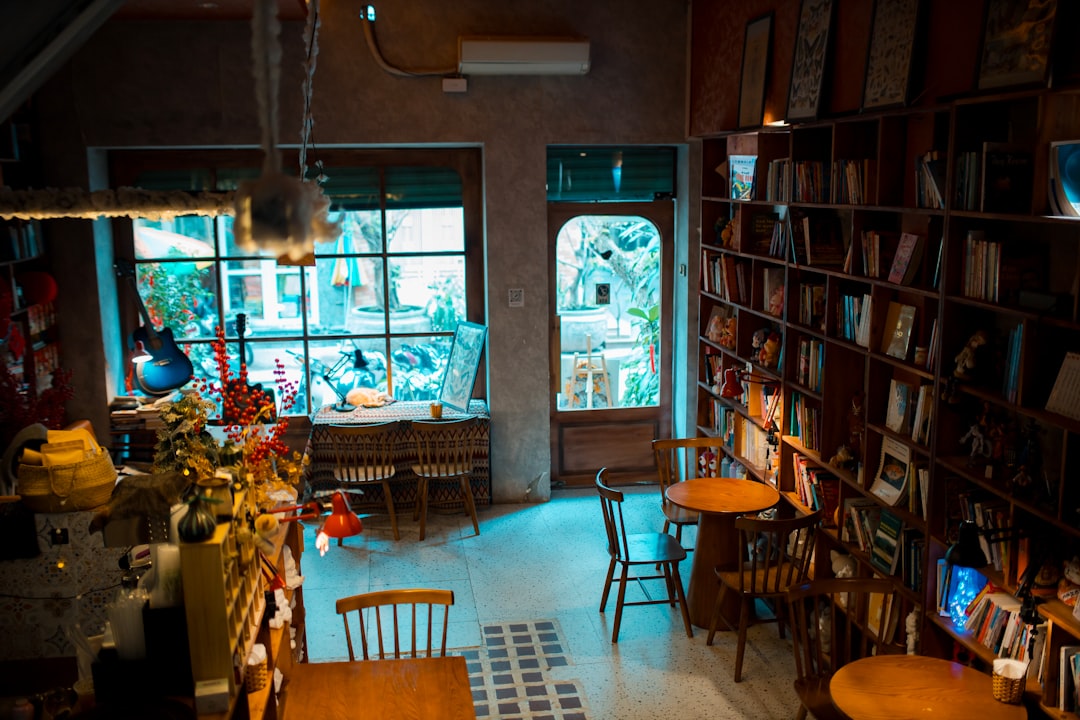
That last-minute hesitation before you tap ‘buy’ is usually your brain checking whether you’ll be sanding down a toddler’s crayon masterpiece in six months. Match the finish to your actual household, not the showroom fantasy. A high-gloss lacquer or a delicate oiled walnut might look stunning online, but it’s a magnet for sticky fingerprints and water rings if you entertain weekly or have a boisterous Labrador. For those scenarios, a textured matte laminate or a sintered stone top in a busy pattern will hide a multitude of sins.
Verify the maintenance fine print, because it’s often the hidden cost. Some natural oil finishes, popular on solid wood tables, need reapplication every quarter to maintain their water resistance—a commitment that surprises many buyers. A factory-applied polyurethane or ceramic coating, while sometimes less tactile, typically just needs a damp cloth. Ask the retailer directly; if they can’t give you a clear answer, that’s a red flag.
Then, physically measure your space twice. A common misstep is forgetting to account for sofa depth; a deep-seated modular can leave only 30cm of clearance to a 120cm-long table, making it a shin-bashing obstacle course. In a typical 4-room BTO living room, you’ll want at least 45cm of walkway between the sofa edge and the table for comfortable passage. An oval or round design often works better in tighter layouts, eliminating sharp corners.
Consider the table’s role beyond holding a cup. If it’s destined to be a makeshift dining surface for weekend suppers, a hard, non-porous material like tempered glass or quartz is far more practical than a light-coloured fabric upholstery. For households with young children, the weight and stability of the piece matter more than its aesthetic pedigree—a top-heavy sculptural metal piece is a genuine hazard.
Finally, visualise the table with your existing decor in the specific light of your flat. A cool grey marble might look sterile under warm downlights in a Tampines living room, while a rich teak could appear too orange. It’s this final, practical cross-check that turns a good choice into the right one for your centrepiece.