
In a typical four-room HDB, the coffee table is the anchor that defines the living zone—a 12 to 18 sqm patch of floor between the TV console and the three-seater sofa. It’s a spatial organiser, carving out a dedicated area for lounging within the open plan. Get the placement wrong, and you’ll create a daily obstacle course from the main door to the bedrooms; get it right, and the room feels purposefully arranged, not just furnished.
The key is clearance. You’ll want 30 to 40cm between the sofa’s front edge and the table—enough space for knees to tuck in comfortably, but close enough that a drink or book is within easy reach. This buffer is critical in landed home layouts too, where the table mustn’t interrupt the flow from the living area to the garden or dining room. A table that’s too large for the zone forces residents to sidestep it constantly, turning a centrepiece into a nuisance.
Height is its silent partner in this function. The table surface should sit level with the sofa seat cushion, or within about 5cm above or below it. A table that’s too high feels awkward, like a dining table misplaced; one that’s too low turns retrieving a remote into a chore. This proportional relationship holds whether you’ve chosen a low-slung modular sofa in a condo or a deeper-seated recliner set in an executive flat.
Material and shape play into this spatial role. A rectangular sintered stone table can reinforce the geometry of a long, narrow BTO living room, while a round or oval wooden design softens corners and improves circulation in tighter spaces. The choice isn’t merely aesthetic—it’s a negotiation between the desire for a statement piece and the practical demands of Singapore’s compact floor plans. That sculptural irregular design might look stunning in a showroom, but in a 28 sqm condo living area, its footprint could disrupt the clean lines you’re trying to achieve.
Ultimately, the coffee table’s success is measured by its absence of intrusion. You shouldn’t notice it until you need it.
The rectangular coffee table, placed dead centre between two parallel sofas, is a classic BTO layout move. It works because it mirrors the room’s own linear geometry, creating a clean, organised centre that doesn’t fight the architecture. In a standard 4-room BTO living room, where the sofas often face each other across a 3-metre span, a 120cm-long rectangular table in solid rubberwood or a light sintered stone top becomes a functional anchor — its straight edges align with the sofa bases, defining a clear conversational zone without visual clutter.
Shift to a resale flat with an awkward corner or an L-shaped sectional wedged against a console wall, and that same rectangle starts to feel like a piece of industrial equipment. Here, a round or oval table’s softer profile is more than an aesthetic choice; it actively improves room flow. The curved edges prevent bruised shins in tight quarters and allow easier navigation around the sectional’s chaise longue, especially in narrow walkways leading to the balcony or dining area. An oval table, around 110cm at its longest, can bridge the gap between the two sides of an L-shaped sofa beautifully — it offers a generous surface without the harsh corners that interrupt movement.
Foot traffic dictates everything. The biggest mistake is selecting an oversized piece that turns the living room into an obstacle course. If you’ve got a recliner that needs a metre of clearance to fully extend, or a common path from the main door to the kitchen that skirts the seating area, your coffee table’s footprint becomes critical. A 150cm behemoth might look proportional in a showroom, but in a 12 sqm HDB living room with a recliner and a console, it’ll force residents into a single-file shuffle. You’re better off scaling down to a 90cm round table or even a pair of smaller nesting tables that can be tucked away when not in use.
Material choice subtly supports this shape-and-flow logic. A glass-topped table, for instance, maintains visual lightness in a cramped space, while a chunky solid wood rectangle can feel oppressively heavy. For homes with young children, the rounded corners of an oval oak table aren’t just safer — they’re a practical concession to reality, preventing the constant negotiation of sharp edges in a high-traffic family zone. It’s a small detail that makes daily life noticeably smoother.
Ultimately, the right shape doesn’t just complement your sofa; it negotiates the entire room’s circulation. Before you commit to a style, trace the daily paths you take — to the TV console, around the recliner, back from the kitchen. The table should sit comfortably within those routes, not commandeer them.
That morning condensation on your windows signals another humid day, and your coffee table feels it. Solid teak, dense with natural oils, resists the warping and cupping that plagues cheaper woods in Singapore’s 80% humidity. It’s a classic choice for a reason — it ages to a soft grey patina rather than cracking, and it won’t buckle under a forgotten wet glass. This stability makes it a favourite for landed property verandahs and high-humidity condos alike. While the initial outlay is higher, its longevity often justifies the cost for a permanent centrepiece.
For a more budget-conscious option in a humid condo, engineered wood with a waterproof melamine laminate is the practical workhorse. The core is stabilised plywood or MDF, but it’s the sealed, non-porous top that repels spills and moisture rings. You’ll find this construction in many affordable, Scandinavian-inspired designs that hold up well in a typical 4-room BTO. Just ensure the edges are properly capped, as any exposed core will swell over time. It won’t last decades like teak, but it’s a solid choice for a five-year refresh cycle.
Glass tables show fewer water rings, frankly, because they show everything — a quick wipe with a microfiber cloth restores clarity instantly. Tempered glass tops are a mainstay in compact HDB layouts as they maintain a visual lightness, making a 12 sqm living room feel less crowded. The downside is the constant battle with fingerprints and the cold, hard surface that isn’t kind to dropped phones. For households with young children, the safety factor and the sheer noise of clinking ceramics are genuine considerations.
If your household treats the coffee table as a secondary dining surface, sintered stone is the emerging champion. It laughs off hot mug burns, pet scratches, and even direct sunlight, which makes it ideal for open-concept living areas. The non-porous surface means red wine or curry spills wipe clean without a trace, no sealant required. It’s heavier and pricier than most options, demanding a sturdy base, but for active homes it’s arguably the most forgiving material on the market.
That stunning veined marble table is a high-maintenance commitment many regret. Unless it’s meticulously sealed every six months — a chore most homeowners forget — it will stain from coffee, etch from citrus, and dull from humidity. In a busy household, its porous nature turns every spill into a potential permanent mark. You’re better off admiring it in a showroom or opting for a ceramic composite that mimics the look without the anxiety. For a true statement piece that endures daily life, look toward the engineered or sintered alternatives instead.

You’ll see it in showrooms across Eunos or Tampines: a handsome three-seater sofa paired with a coffee table that looks like it’s trying to escape. The table ends hang 10cm out into the aisle at each side, creating awkward gaps that catch toes and disrupt the room’s flow. It’s a classic scale mistake, born from choosing a table based on its standalone appeal rather than its relationship to your sofa’s length. The opposite error is just as common — selecting a piece that’s too low for a deep-seated recliner, forcing you to hunch forward uncomfortably just to reach your teacup. These proportion issues stem from a simple oversight: not measuring the room and the existing sofa first. For a standard three-seater sofa, typically around 210cm to 240cm wide, the ideal coffee table length should be roughly two-thirds of that. That usually puts you in the 140cm to 160cm range, not the 180cm statement piece that caught your eye. Height is equally critical. If your sofa seat is high or you’ve opted for a plush, deep-seated model, a standard 40cm-high table can feel like a footstool. You’ll want to match the table height to the sofa seat cushion, or go a few centimetres lower. Before you shop, take two key measurements. First, measure your sofa’s depth from the front of the seat cushion to the backrest — that dictates the functional clearance you need. Second, measure the room’s diagonal from one corner to the opposite; this gives you the true maximum length for any central piece without overcrowding. In a compact 4-room BTO living room, that diagonal might only be 350cm, leaving little margin for error. A table that’s too large dominates the space, while one that’s too small looks lost and forces you to stretch for everything. Material choices can also trick the eye. A glass-top table might feel visually lighter, but its reflective surface can make a modestly-sized piece appear larger and more intrusive than it is. Conversely, a solid rubberwood or sintered stone table in a dark finish has visual weight, so you might need to size down to keep the proportion balanced. It’s a tactile calculation as much as a numerical one. For those starting from scratch, browsing a comprehensive
lets you filter by exact dimensions, which is far more reliable than eyeballing it in a vast showroom. The goal is a centrepiece that feels anchored, not adrift — a table that sits comfortably within the sofa’s footprint, leaving just enough walkway space to navigate behind it with a laundry basket in hand.
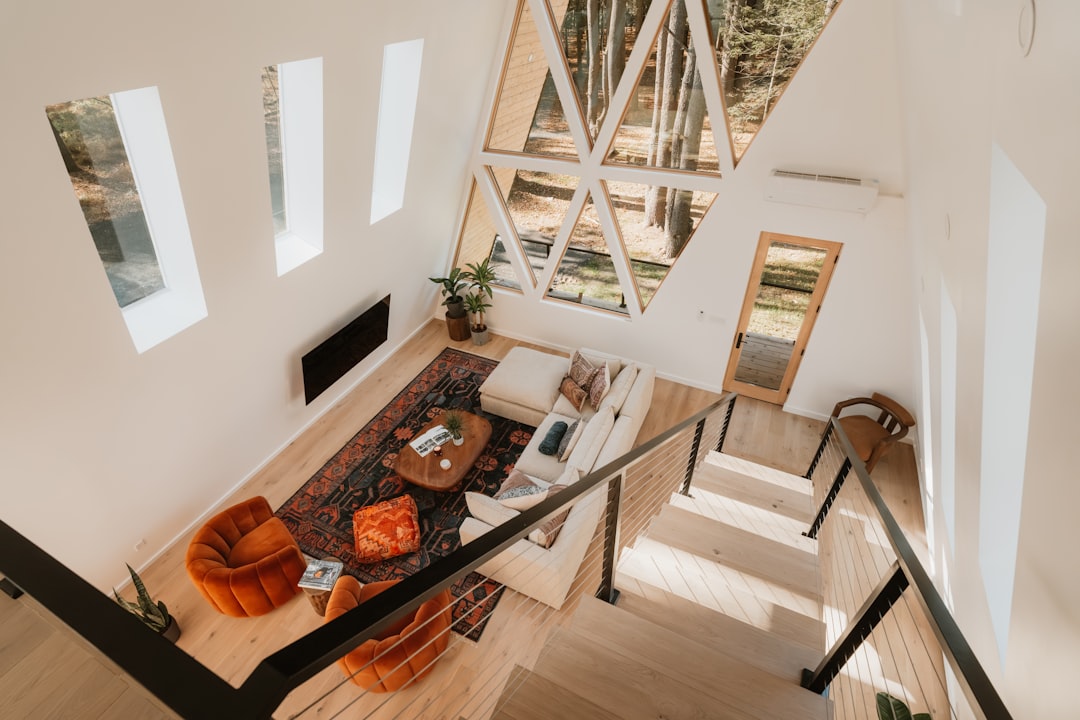
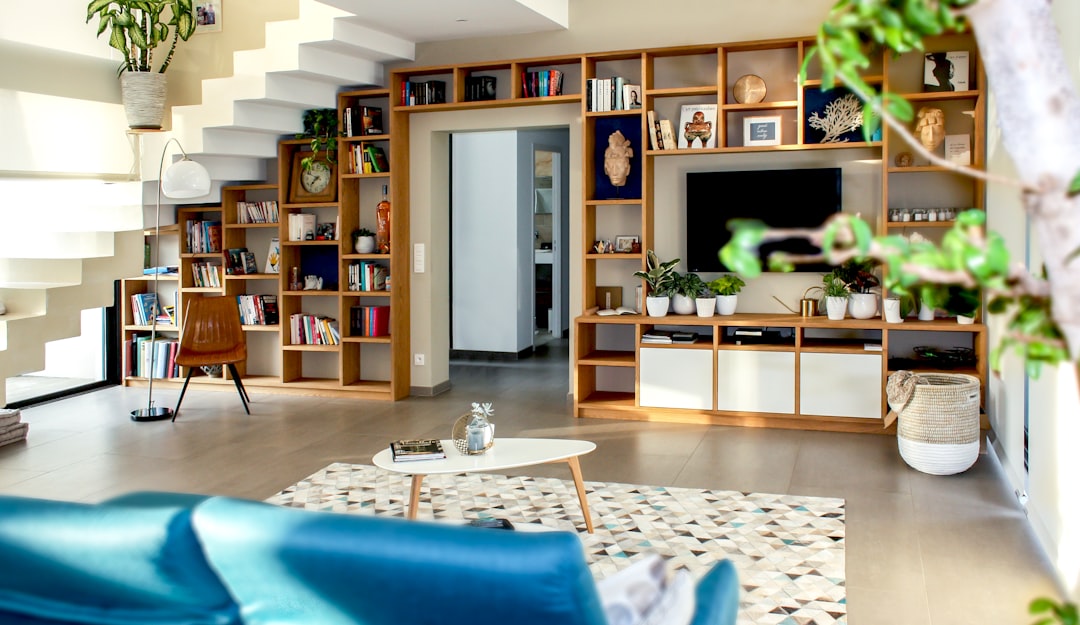
A lift-top coffee table can turn a 16 sqm living room into a temporary workspace within minutes, which is a common reality for many condo dwellers in neighbourhoods like Tanah Merah or Aljunied. The mechanism is simple: a hinged top that rises to create a laptop desk, often with a small lip to keep things from sliding off. It’s a clever solution for those who don’t have a dedicated study corner, and it keeps the table’s primary function intact when lowered — a place for your tea and magazines. Beneath that top, you’ll typically find a cavity or shallow compartment; it’s perfect for stashing those remotes and charging cables that otherwise clutter the sintered stone or glass surface.
For a more permanent, hidden storage approach, look for models with integrated shelves or drawers. These are particularly useful in 4-room BTO layouts where living room storage is often limited to the TV console. A drawer with a soft-close mechanism keeps magazines organised and, more importantly, hides them from view when you want a cleaner, minimalist look. Some designs feature a combination — a lift-top for the impromptu desk and a drawer below for bulkier items. That dual functionality often comes at a higher price point, around $1,200 to $2,400 for a solid rubberwood piece, but it justifies itself in spaces where every square foot needs to perform.
Then there’s the practical consideration of cleaning, especially in pet households. An open-bottom style, where the table’s legs are clear and the base is elevated, allows a robotic vacuum to pass underneath without obstruction. It’s a small detail that matters weekly, if not daily, in homes with cats or dogs. This design often pairs with a simpler silhouette — a round marble top on four slender metal legs, for instance — which can feel less bulky in a compact room anyway. The trade-off is the loss of enclosed storage, so you’ll need to be content with a tidy surface or perhaps a nearby side table with a drawer.
Ultimately, your choice hinges on whether you prioritise adaptable surface space or concealed clutter control. The lift-top is the multitasker’s favourite, transforming the centrepiece from social to solo with a single motion. The drawer version is the organiser’s ally, keeping the living room looking curated even when life isn’t. And sometimes, the best solution is the one that doesn’t fight with your appliances — a clean floor line for a robot that does the work for you. You can explore a range of these functional designs, from sleek sintered stone to warm engineered wood, in Megafurniture’s coffee table collection to see which fits your specific rhythm.
A coffee table that wobbles after a minor knock from a vacuum cleaner isn't just an annoyance — it's a sign of poor structural integrity that'll grate on you for years. Start with a simple stability test: place a firm hand on the surface and apply pressure from multiple angles, simulating the accidental bumps common in a 4-room BTO living room. A quality piece won't rock or shift; its weight and base construction should anchor it solidly, even on uneven flooring.
For wood tables, get close and examine the joinery. Mitred corners that are neatly aligned and tightly fitted, without visible gaps or excessive filler, indicate skilled craftsmanship. On laminate or engineered wood pieces, pay particular attention to the edge banding; it should be perfectly flush with the surface, with no peeling corners or rough seams that can snag. These details often separate a durable centrepiece from a disposable one.
Functionality needs a hands-on check. If the table has drawers, test each glide repeatedly. They should open smoothly and silently, with a full extension that doesn't sag or catch, even when loaded with remote controls and magazines. For any model incorporating glass, confirm it's tempered — a safety standard that's non-negotiable for households with children or pets. This information is usually etched in a corner of the glass itself.
Don't overlook the paperwork. A meaningful warranty specifically covering structural defects for at least 12 months offers crucial peace of mind, as it suggests the manufacturer stands behind their construction. It's a practical safeguard against issues like joint failure or veneer delamination that might only appear after months of daily use. Without that assurance, you're essentially buying on faith — and in many homes, that's a gamble with a S$800 centrepiece.
A coffee table that looked perfect online can feel comically large or dangerously flimsy in your own living room. That’s the gamble you avoid by visiting a showroom where pieces are staged in actual room settings. At Megafurniture’s Joo Seng and Tampines showrooms, for instance, you’ll find their tables displayed alongside common Singapore sofa profiles; you can immediately assess if a 120cm rectangular design will still leave clear walkways in your 4-room BTO layout, or if a marble-finish top reflects your ceiling lights in a harsh, distracting way. Seeing the collection in person also clarifies material choices crucial for our climate. Online photos rarely show how a rubberwood table’s grain might react to high humidity, or whether a sintered stone surface truly resists condensation rings from iced *teh*. Megafurniture’s range explicitly addresses these humid-robust needs, with options in treated solid wood, metal, and engineered composites that hold up better against Singapore’s dampness. You can run a hand over the finishes — the smooth coolness of a ceramic top versus the warm texture of oiled oak — which is the only real way to judge quality. Scale is another critical factor that showrooms reveal. Many local collections, including theirs, offer compact sizing suited for narrower living rooms, but “compact” is a relative term. A nested set of side tables might solve your space issue, or a round, pedestal-base design could improve traffic flow better than a square one. Under the bright, neutral lighting of their showrooms, you’ll notice if a dark walnut stain shows dust easily or if a glass top requires constant wiping to stay presentable. Ultimately, the visit is about confidence. You’re not just buying a table; you’re committing to a centrepiece that will live with your sofa for years. Checking the sturdiness of a drawer glide or the exact shade of a white oak veneer in person prevents the disappointment of a mismatched tone arriving at your doorstep in Bedok or Jurong. For the final step, you can browse their full
coffee table collectiononline with the peace of mind that comes from having touched and measured the real thing.
Choose a coffee table material that echoes your sofa's frame or legs, such as matching metal finishes or complementary wood tones. The table's shape should contrast with the sofa's silhouette; pair a curved sofa with a rectangular table or a linear sectional with an oval design. This creates visual interest while maintaining a cohesive look through shared material characteristics, ensuring the pieces feel intentionally paired.
A solid wood coffee table might fit perfectly in a showroom at Megafurniture's Joo Seng warehouse, but its 150cm length becomes a logistical puzzle when facing the 80cm-wide door of a 1990s HDB flat. That’s where delivery planning starts—you’ll need to verify not just your own doorway, but whether the building’s lift landing can accommodate the crate, and if the condo management enforces strict delivery hours that clash with your schedule. Many older estates in Bedok or Aljunied have particularly tight corridors, turning what should be a simple drop-off into a complex manoeuvre requiring a dedicated two-man team. Self-assembly from a flat-pack is a clear cost saver, a sensible choice for engineered wood or metal designs that are lighter and modular. Professional installation, however, becomes almost non-negotiable for heavier materials like marble or sintered stone, or for any table with integrated drawers or mechanisms. The installer’s real value is in levelling; they’ll use shims to compensate for the subtle slopes and unevenness found in many HDB floors, ensuring the table doesn’t rock with every placed cup—a small detail that defines daily use. After-sales consideration is often an afterthought, but it’s wise to keep the original packaging for at least the return period, typically two weeks. This isn’t just about defects; you might realise the oval shape you loved visually overwhelms your 4-room BTO layout, or that the glass top shows fingerprints more than you can tolerate. Without the specialised foam and cardboard, arranging a return becomes far more costly and difficult. For larger statement pieces, especially those from a
comprehensive collection, confirming the supplier’s assembly service and its scope is key. Some only offer basic put-together, while a proper service includes debris removal and a final check for transit scratches. It’s a premium, but one that protects your investment from a clumsy DIY start.
The most common coffee table query isn't about style or material — it's about the awkward 60cm gap between a new sofa and a table that's just a fraction too large. That precise spatial dance dictates everything.
How much smaller than the sofa should the table be? Aim for a length roughly two-thirds of your sofa's width. For a standard 2.1m three-seater, that's a table around 140cm long. The critical measurement is the clearance: leave 30–45cm between the sofa edge and the table for comfortable legroom and walking paths, especially in a 4-room BTO layout where every centimetre counts.
Can a glass top withstand a toddler? Tempered glass is remarkably tough, but it's the corners that worry parents. A rounded oval or circular glass table eliminates sharp edges, while a 10–12mm thick tempered top can handle dropped toys. The real issue is fingerprints; you'll be wiping it down constantly. For active families, a sintered stone or lacquered wood top often proves more practical — it hides smudges and withstands plastic truck collisions without a second thought.
Best shape for a square living room? Square rooms can handle a square table, but that often creates a rigid, grid-like feel. A round or organic-shaped table softens the geometry and improves circulation, as there are no corners to bump into. In many HDB layouts, a large oval becomes the natural centrepiece, bridging seating areas without dominating the space.
Coffee table or ottoman for a small space? This hinges entirely on your household's usage pattern. A firm, tray-topped ottoman offers flexible seating and hidden storage for blankets, which is a boon in compact condos. But if you actually host friends for drinks or need a permanent spot for the TV remote and your morning coffee, a proper table with a solid surface is non-negotiable. The ottoman-as-table only works if you're disciplined about using the tray.
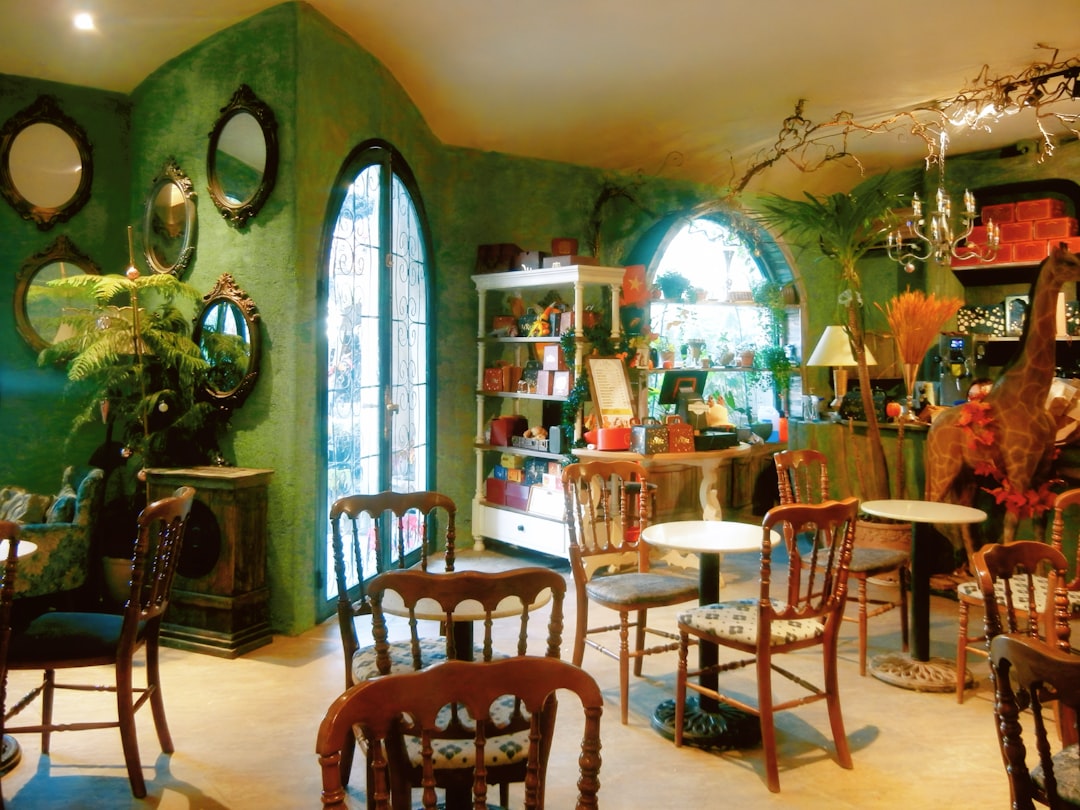
That last-minute fear you’ve ordered a piece that won’t fit through the door is a uniquely Singaporean stress. It’s easily avoided with a final, methodical check before you commit. Start by visualising the footprint in your actual space. Lay masking tape on the floor to mark the coffee table’s exact length and width; that 120cm rectangular sintered stone piece can look much larger when it’s occupying your 4-room BTO living room’s central floor space. This simple step often reveals whether you’ll need to opt for a round or oval shape to improve circulation, or if there’s room for that sculptural design you’ve been eyeing. Bring your sofa fabric swatch or a photo taken in your room’s light to the showroom—the warm grey of your performance velvet can turn a coffee table’s oak finish from perfectly matched to jarringly yellow under LED downlights. Confirm all practical logistics against your schedule. Lead times for solid wood or marble tables can stretch to 12 weeks, which might clash with your renovation completion date. Measure your main doorway, lift dimensions, and any stairwell turns one final time; a 150cm long table might fit in the room but not make the turn from the HDB corridor into your flat. It’s a mundane task, but it’s the difference between a smooth delivery day and a costly, frustrating return. For a final selection, consider browsing the comprehensive
coffee table rangeto compare options side-by-side. Ultimately, this last phase isn’t about finding a better table—it’s about ensuring the one you love actually works in your home.